
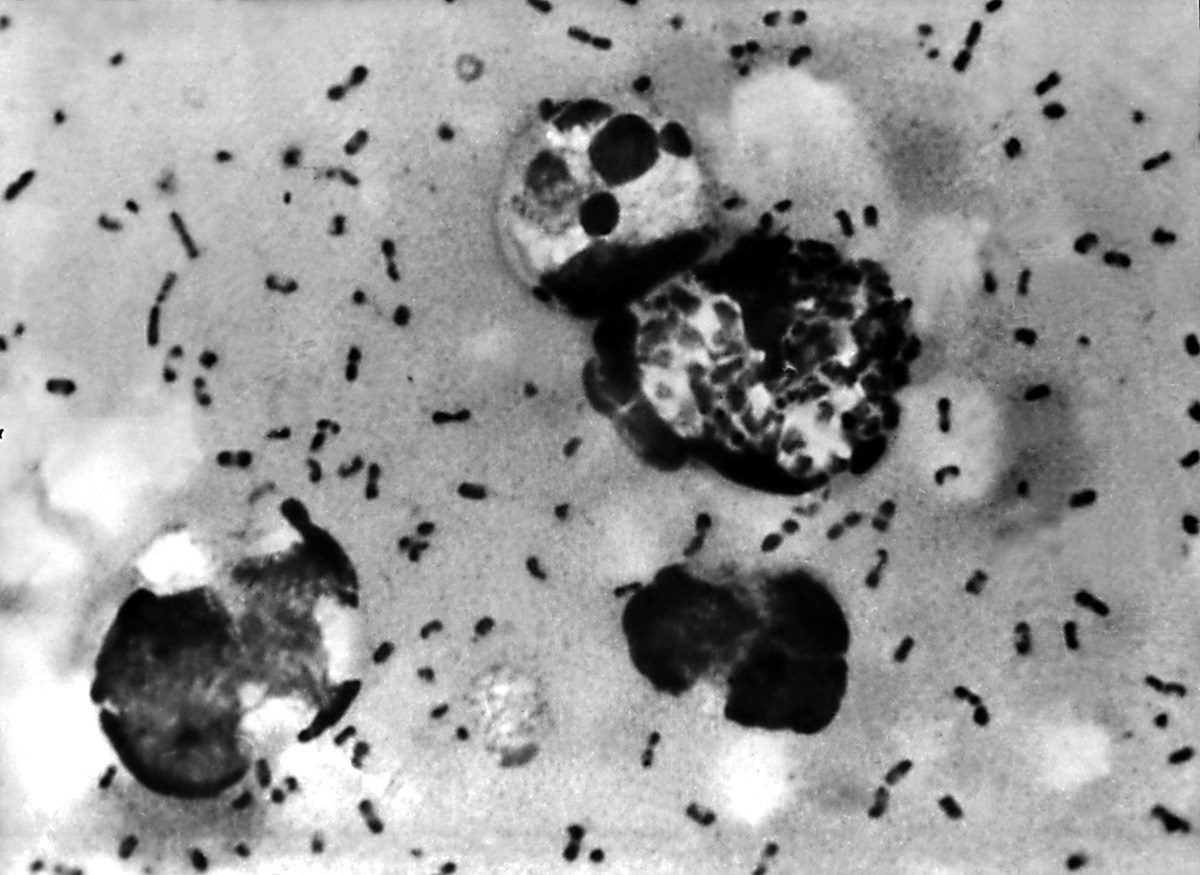
A tragic event has unfolded in Siberia where a woman, identified by the People of Baikal publication as Daria Shipilova, a 28-year-old lab technician, has died of suspected plague. Russian officials and media reports highlight the initiation of anti-epidemic measures in response to this occurrence.
Igor Kobzev, governor of the Irkutsk region, confirmed holding a meeting with Rospotrebnadzor, Russia’s public health agency, concerning this particularly dangerous infection allegedly affecting a regional resident.
The World Health Organization (WHO) reports that between 2019 and 2025, ten countries encountered nearly 4,000 suspected plague cases. Plague transmission can occur through fleas carrying the Yersinia pestis bacterium, contact with infected materials, or direct interaction with affected animals or particles. While bubonic plague is the prevalent variant of this disease, both pneumonic and septicaemic plague can also result from the same bacterium.
Occurrences are rare, yet Yersinia pestis is naturally present in some global regions, especially parts of Africa where cases can sporadically surge. Historically, plague has been a significant cause of mortality, including the infamous Black Death in the 14th century, which eliminated about one third of Europe’s population. Presently, health experts indicate plague’s treatability with early antibiotic intervention.
Quarantine Measures in Shelekhov
Shipilova’s death in Shelekhov, near Irkutsk’s main city, has led to immediate action. Shelekhov Mayor Maxim Modin announced the quarantine imposed on the local hospital. All laboratory procedures are on hold and patient admissions have ceased.
Alexey Tsydenov, governor of the Buryatia region, mentioned a woman’s possible plague-related death. Authorities are implementing anti-epidemic protocols with several individuals under medical observation.
Approximately 200 individuals who had contact with Shipilova are now identified, according to Irkutsk media reports. A Telegram channel associated with Russia’s security services specified pneumonic plague as the cause of death.
Understanding Plague Variants
The WHO labels pneumonic plague the most severe plague form, affecting lungs with an incubation time potentially as short as 24 hours. Symptoms include coughing and respiratory distress, making transmission easy through respiratory droplets.
Bubonic plague is the most reported type, causing fever, aches, vomiting, and chills post flea bites. Inflamed lymph nodes, often turning into pus-filled sores, are common. Bubonic plague can evolve into pneumonic plague if it reaches the lungs. Septicaemic plague results when it spreads to the bloodstream.
Mongolia—which borders Buryatia—reported 17 plague cases between 2019 and 2025, with seven fatalities. Bubonic plague claimed the lives of five, while two succumbed to septicaemic plague.
Historically, hunter-gatherers around Lake Baikal in southeastern Siberia faced plague outbreaks around 5,500 years ago, as confirmed by a scientific study in June.