
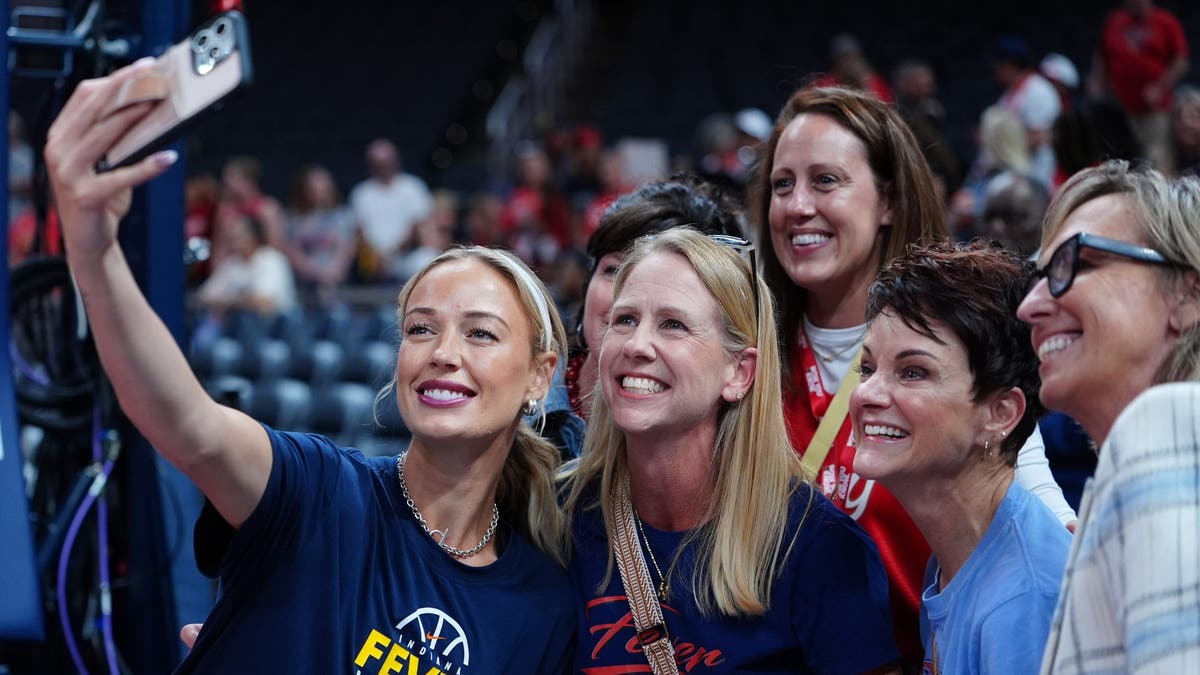
There’s an ongoing issue within the WNBA that has sparked significant debate, particularly regarding accusations of racism involving Indiana Fever and Caitlin Clark fans. Since Caitlin Clark’s rookie season, there have been frequent claims of racism, which has created hostility within the league’s community.
In an effort to understand these controversies, I engaged in conversations with Las Vegas Aces’ fans. These discussions highlighted the growing concerns and misunderstandings that characterize interactions within the WNBA community.
Controversies are a familiar aspect of the WNBA, deeply embedded within the league. One such incident involved A’ja Wilson, who confronted an Indiana fan during Game 2 after reportedly being pointed at by the fan. This encounter raised questions about the WNBA’s decision not to reprimand Wilson for her actions, leading to a deepening divide among fans regarding the perception of racism.
Conversations with fans revealed differing opinions. Some fans suggested that the incident was framed as racist because Wilson, a Black athlete, confronted a White fan. Despite being presented with facts confirming no racial slurs were involved, some individuals strive to attribute Wilson’s actions to racial dynamics, citing historical racism in Indiana.
Another Aces fan insisted on a narrative that Indiana Fever fans are discriminatory, describing experiences at Gainbridge Fieldhouse with claims of targeted behavior by Fever fans. Yet, forensic investigations verified that no racial insults were hurled at Wilson, evidenced by testimony from other witnesses like Boston Connor from Pat McAfee Show.
The WNBA incident with A’ja Wilson underlines the complexity surrounding player-fan interactions and the impact of perceived racism. Open dialogues within the sports community are essential to address these issues effectively.
Accusations from fans, not anchored in evidence, have cast a negative shadow over the WNBA. While it’s critical to acknowledge racism where it exists, making baseless claims does more harm than good. This rhetoric undermines genuine efforts to confront racism and damages the league’s rapport with its fans.
The league’s dynamics have attracted substantial attention with influential players like Caitlin Clark driving increased popularity. These fans have contributed to economic gains such as enhanced player contracts and improved team accommodations. It is counterproductive to label these fans with pejorative terms that tarnish the growing support base.
Eva Wilson, A’ja Wilson’s mother, expressed her discontent by displaying a “Love Beats Hate” sign post-Game 3, suggesting a call for unity and understanding rather than division.
The necessity for honest conversations about fan behavior and racism within sports is evident. Unverified claims must be challenged to ensure discussions are rooted in facts, preserving the integrity of dialogues focused on racism.