
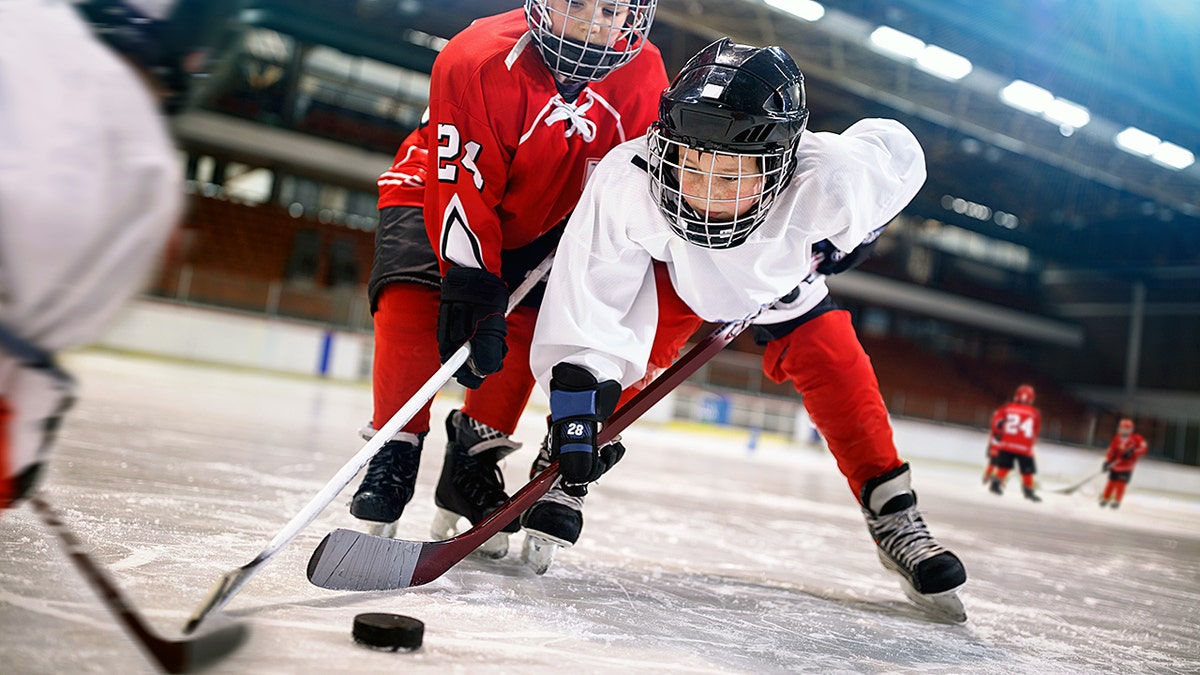
The fall sports season has begun, and many parents are booking their children’s schedules with practices, coaching sessions, and tournaments. While these parents have good intentions, they often overlook the true purpose of youth sports. Worse, their approach might put children at risk for injuries and burnout, impacting long-term health.
Understanding the Risks
As someone who grew up playing sports, and as an orthopedic surgeon familiar with professional athletics, I’ve seen how the current American approach to youth sports leads to early burnout and increased injury risks. Many parents and coaches regard youth sports as pathways to fame, scholarships, or professions. They mistakenly push children to undertake too much, too soon.
Recognizing Children’s Development
Children are not simply small adults. Their bones, muscles, tendons, and movement patterns are still developing. Puberty brings challenges such as bones’ vulnerability to stress and body proportions affecting strength and coordination. Training and recovery must consider their developing biology.
The Consequences of Over-Demanding Practices
Adult-imposed demands increase without adequate recovery for young athletes. This leads to concerning outcomes. For instance, approximately 1% of girls playing soccer face ACL injuries each season. Concentrating exclusively on one sport heightens cumulative risk, with an example showing a 16% chance of an ACL tear throughout high school for those specializing in soccer.
An ACL tear can severely shorten an individual’s ‘playspan’ or active years. Early injuries might result in arthritis or disability, limiting adult recreational sport activities. The physical, mental, and social advantages of lifetime movement are well-recognized, making it unwise to prioritize hyperfocus on youth sports over prolonged health.
The Impact of Burnout
Burnout also affects playspan. When sports become pressured rather than enjoyable, many children associate physical activity with stress and might not regain enthusiasm as adults.
Alternative Approaches to Youth Sports
Some nations propose different philosophies regarding youth sports. Norway’s policy emphasizes inclusive participation, long-term involvement, and skill growth. Children are encouraged to explore multiple sports and compete locally, promoting development at their own pace. Winning remains important, but the main goal is lifelong athletics.
Norway’s approach produces outstanding athletes; for instance, Erling Haaland became a World Cup star. Impressively, most boys from Haaland’s youth club continue playing soccer into adulthood.
In the United States, however, children quit sports before middle school, usually due to lack of enjoyment.
Rethinking the Youth Sports System
A revamped youth sports strategy would prioritize lifetime athletics. It would encourage playing various sports before specialization, teaching fundamental movements like running and jumping and allowing for rest and unregulated play.
If some children achieve scholarships or turn professional, it’s commendable. Yet, the true assessment of youth sports success stems from how many lifelong athletes are created.
Andrew D. Pearle, MD, is the chief emeritus at the Sports Medicine Institute, Hospital for Special Surgery.