
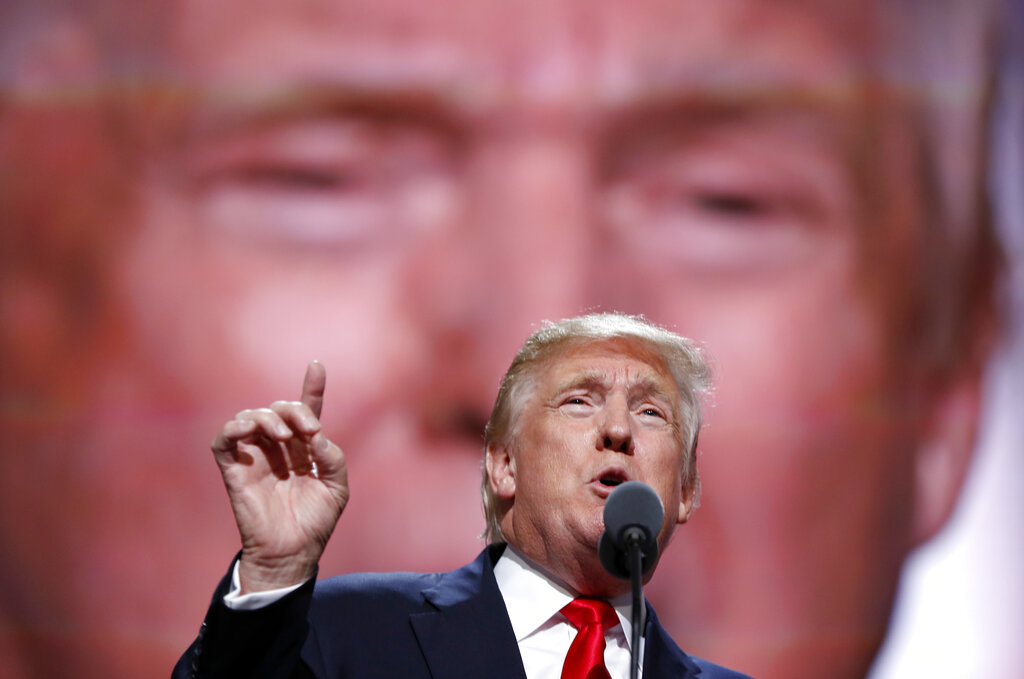
In 2016, Donald Trump accepted the Republican nomination for president, presenting a stark view of America and proposing that only he could remedy the situation. His rise reflects broader shifts in how Republican nominations are controlled, now influenced significantly by ideologues and special interests rather than by a commitment to the Constitution and rule of law.
Without reforms, the U.S. risks becoming what the Constitution’s Framers feared: a populist tyranny. Since the 1970s, control over nominations has changed. Previously, party officials focused on winning elections with experienced candidates. This has been replaced by small segments of the electorate pushing narrow agendas in direct primaries. Low turnout allows groups like evangelicals and anti-immigration opponents to dominate convention delegates.
This overturned the Electoral College’s original purpose, outlined by Alexander Hamilton in 1788, to select presidents with ability and virtue while guarding against cabal and corruption. Trump won the 2016 nomination with under 40% in early primaries, appealing mostly to conservative voters. He faced little serious challenge to his disregard for the rule of law in the Republican primaries and general election due to intense party loyalty and opposition to Democrats.
Another shift is the growing presidential power to act unilaterally, accelerated by the Cold War. Presidents alone initiate military actions and international agreements. Politicians traditionally vetted candidates to prevent abuses, but Trump reached the election stage propelled by ideology without senior figures ensuring alignment with legal framework.
Reforming the nomination process is crucial to protect against demagogues. Most significantly, reform is needed in the Republican Party, lacking moderating checks. From 2012, unpledged delegates reduced from 20% to 6.9%, increasing their bindings to primary results. Restoring and expanding their independence is necessary for balance.
Reforms should preserve voter influence, while enabling party leaders to intervene if a threat to the rule of law emerges. These leaders need the option to guide conventions toward candidates better aligned with constitutional ideals and public sentiment.
If reforms are not promptly enacted, the future nomination of candidates with extreme views remains a possibility. Lawrence R. Jacobs, a political studies expert at the University of Minnesota’s Humphrey School, emphasizes these changes are necessary to prevent the rise of unprincipled leadership.