
On Friday, Iowa lawmakers concluded a one-day special session granting tax incentives totaling $1.36 billion over ten years to Mesabi Metallics. This decision aims to establish a new steel plant in Lee County, with Mesabi Metallics being a subsidiary of the Indian conglomerate Essar Group. The financial package passed the Iowa House with a vote of 75-17, and the Senate approved it 28-19. Governor Kim Reynolds signed it into law by the end of the day.
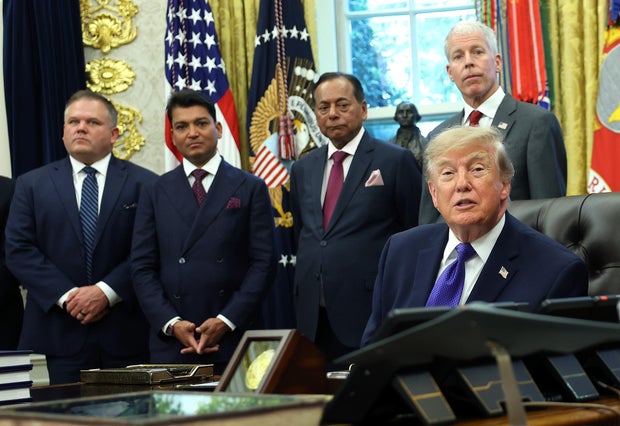
This legislative move follows President Trump’s announcement of the largest steel plant in U.S. history, planned for Iowa. The proposed $15 billion project is expected to create 1,750 permanent and around 6,000 construction jobs. The announcement surprised many Iowans, including lawmakers poised to approve the incentives.
Opposition and Concerns
While most legislators agree on the project’s potential, critics of the incentives argue for more safeguards and public benefit assurances. The incentives equate to about $777,000 per permanent job over a decade, excluding temporary construction jobs. Many Iowans, particularly struggling farmers, find the deal’s cost a difficult proposition when benefiting a foreign conglomerate.
Strategic Location Choices
Though Iowa is not traditionally known for steel production, its location is strategically downriver on the Mississippi, an advantage not shared by Minnesota, where Mesabi Metallics is based. The plant’s proposed site in Iowa’s first congressional district is politically significant, considering its tightly contested races.
History of Mesabi and Essar Group
Essar Group, Mesabi’s parent company, carries a history of broken commitments and project postponements. Previously, in 2008, a promised $1.6 billion steel plant in Minnesota never materialized, and the company declared bankruptcy in 2016, later rebranding as Mesabi Metallics. Reports suggest Essar has received significant financing from Russian state-owned VTB Bank, although these claims remain unverified by CBS News.
Local Political Dynamics
Amid the Iowa political landscape, some Republicans express dissatisfaction with the hurried decision-making process. State Senator Kevin Alons described it as ‘political extortion.’ Nonetheless, the bill passed despite concerns about fiscal responsibility and a potential budget strain.
Republican gubernatorial candidate Zach Lahn voiced support, viewing the steel plant as a unique opportunity despite his stance against corporate incentives. Conversely, Democratic opposition emphasizes the need for transparency and proper consultation with taxpayers before committing state resources.
With early voting commencing soon, the decision might influence the electorate’s perspective, focusing on whether the steel plant materializes and if the allocated $1.36 billion was justified.