
President Trump recently issued a controversial pardon to Stephen Buyer, a former congressman from Indiana convicted of insider trading in 2023. This has added to a list of wealthy and well-connected individuals pardoned by Trump, often after reportedly providing significant financial support to his re-election efforts. These actions suggest that the president’s allies may be shielded from legal accountability.
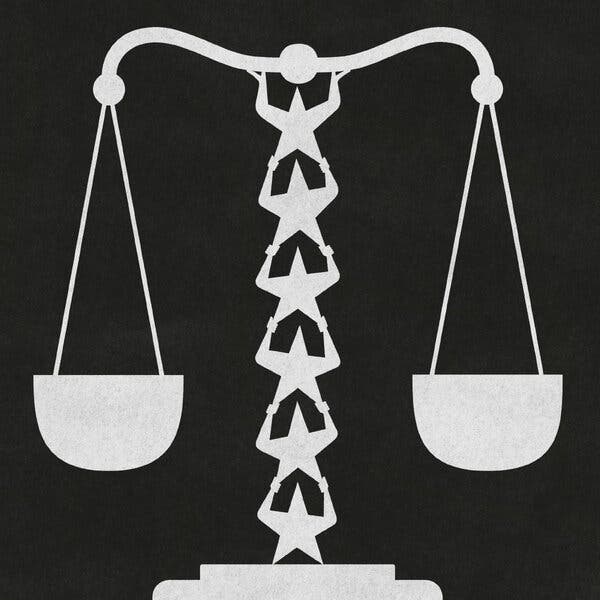
Though the president’s pardon power is largely discretionary, solutions exist. States can step up to hold individuals accountable when the federal government does not. As separate sovereigns, states have the authority to prosecute cases that the federal government overlooks, provided state laws are violated. State prosecutions remain valid despite federal pardons.
The case of Joseph Schwartz serves as an example. In 2024, Schwartz pleaded guilty to federal tax crimes related to a fraudulent nursing home empire. Pardoned by Trump in 2025, Schwartz had also faced convictions in Arkansas for Medicaid fraud and tax evasion. The state’s attorney general ensured Schwartz spent additional time in state prison and made him pay over $1 million in restitution and fees.
Schwartz’s business activities extended to other states, emphasizing that accountability should be pursued there as well. Another significant case is Trevor Milton, convicted in 2022 for defrauding investors in the electric truck company Nikola. Pardoned by Trump in 2025, Milton’s company was based in Arizona. Arizona, with the support of other states, could charge him under relevant state fraud laws.