
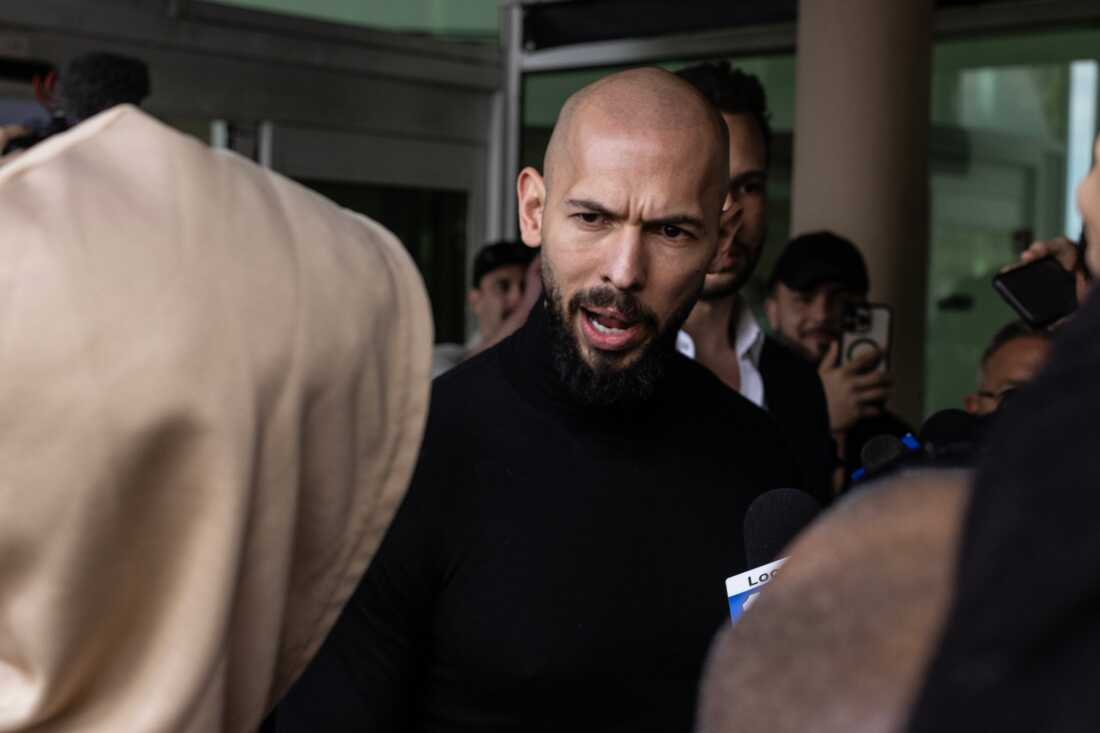
Andrew and Tristan Tate are facing over 50 charges in the U.K. and Romania, including serious accusations such as rape and human trafficking. After a travel ban was lifted in February 2025, they arrived in Florida. Their troubles have intensified as the U.K. seeks their extradition on these charges, which they deny while fighting extradition.
Andrew Tate had expected support from President Trump’s administration, given his past affiliations with Trump and other Republicans. Jared Holt from Open Measures highlights that the brothers had allies on Capitol Hill and connections with the Trump administration. Despite their controversial views, Andrew Tate became a significant figure in the “manosphere,” promoting misogynistic ideologies and attracting support from right-wing media.
The brothers started a webcam porn business accused of coercing women, alongside projects like “Hustlers University.” Despite accusations of indecent images and tax evasion in the U.K., their popularity grew. Their rhetoric against perceived global conspiracies resonated with some right-wing media outlets. Appearances on shows hosted by figures like Alex Jones and Tucker Carlson expanded their reach.
The Tates cultivated ties with Republican figures, including a lawyer, Joe McBride, who was present at Trump’s Mar-a-Lago event. The Tate brothers’ connections continued as Andrew participated in a live stream with Donald Trump Jr. and engaged with Barron Trump during the presidential campaign.
As Trump took office in 2025, Andrew Tate proclaimed their troubles over, anticipating intervention from Trump’s administration. The Romanian authorities lifted the travel ban, reportedly following interest from the Trump administration. However, upon their arrival in Florida, the brothers faced arrest as the U.K. pushed for extradition.
Despite initial support, the Tates’ legal complications tempered their backing. Florida officials like Governor Ron DeSantis voiced dissatisfaction with their presence. Attorney General James Uthmeier initiated investigations, illustrating the complex response to the Tates within the U.S.
Politically, their case attracted attention from figures like Senator Richard Blumenthal, who called for inquiries into their return to the U.S. Social outings continued, evidenced by their attendance at a UFC event, supported by figures like UFC President Dana White. However, the brothers’ presence in political circles faced growing restrictions as potential extradition loomed.
The White House, through Press Secretary Karoline Leavitt, stated it would not intervene in the Tate brothers’ ongoing legal battles. Their defense team suggested political motivations behind the charges to counter the extradition demands. The final decision rests with Secretary of State Marco Rubio, illustrating the intertwining of legal and political realms surrounding the Tates.