
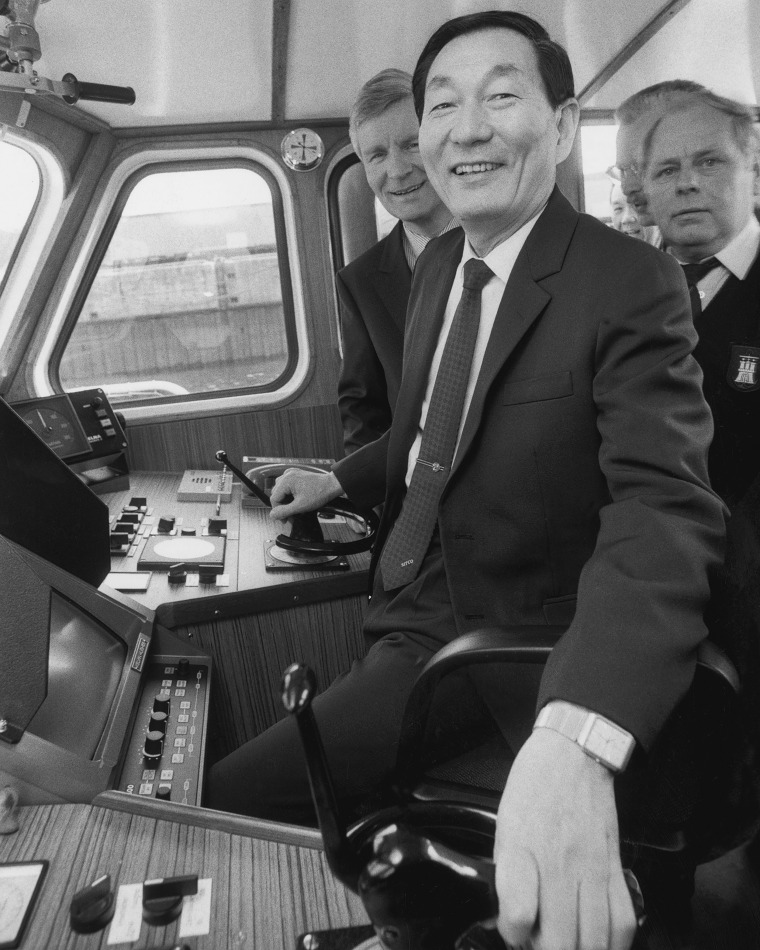
Former Chinese Premier Zhu Rongji has passed away at the age of 97. State media reported that he died of illness in Beijing. Zhu was widely recognized for his role in China’s economic transformation during his tenure as premier from 1998 to 2003.
Economic Reforms and WTO Entry
As a reformer, Zhu was instrumental in China’s entry into the World Trade Organization (WTO). His tenure saw significant changes to state industry, leading China to an economic boom. Zhu pushed state-owned enterprises to become profitable, a move that resulted in millions of layoffs but ultimately propelled China to become the world’s second-largest economy by 2010.
Building on Deng Xiaoping’s 1979 reforms, Zhu played a critical role in China’s economic development. His efforts kept annual growth above 8% throughout the decade, peaking at 14.2% in 2007.
Challenges and Reforms
Zhu faced opposition from Communist Party conservatives and local officials. His reform efforts included crushing inflation and enforcing price controls to stabilize the economy. He also limited loans to unprofitable state enterprises, a strategy that helped continue economic reforms.
Zhu’s commitment to free trade helped secure China’s WTO membership in 2001 after years of negotiations. This membership compelled local officials to embrace global standards and practices.
Leadership Style and Public Perception
Zhu was known for his sharp wit and public criticism of corruption. As premier, he became known as ‘Boss’ and ‘Madman Zhu’ due to his relentless pursuit of reform. He famously stated his readiness to tackle corruption with 100 coffins, reserving one for himself.
In public appearances, Zhu added a human touch to the government by humorously addressing issues. His approach lightened the party’s often serious demeanor.
Legacy of State-Owned Enterprise Reforms
Although Zhu supported state ownership over private enterprise, he initiated plans in the 1990s that turned major industries into profit-oriented corporations. His strategy revitalized banking, oil, and airline industries while retaining state control.
Early Life and Political Career
Born on October 23, 1928, in Hunan province, Zhu overcame early setbacks in his career. He was labeled a ‘rightist’ in 1957 and spent years in rural exile before his return to politics in 1979. Zhu quickly rose through the ranks, becoming deputy Shanghai party secretary in 1987 and mayor the following year.
His leadership during the 1989 protests showcased his ability to manage crises without military intervention, earning him a reputation for moderation.
Retirement and Reflections
Zhu remained largely out of public view after his retirement. His contributions to China’s transformation have left a lasting legacy, and he is remembered for his humor and pragmatic leadership in times of change.