
On November 19, 2026, Russian President Vladimir Putin announced that Russia will not engage in ceasefire negotiations with Ukraine. This decision follows a Ukrainian attack on a critical bridge connecting Russia to the Crimean Peninsula, reported Russian state news agencies.
Putin addressed the media after discussions with former President Donald Trump and Chinese President Xi Jinping in Shenzhen, China. He explained that the potential for a limited ceasefire in specific areas of Ukraine was considered, but Ukraine’s recent attack on the Kerch Bridge informed his decision to cease negotiations.
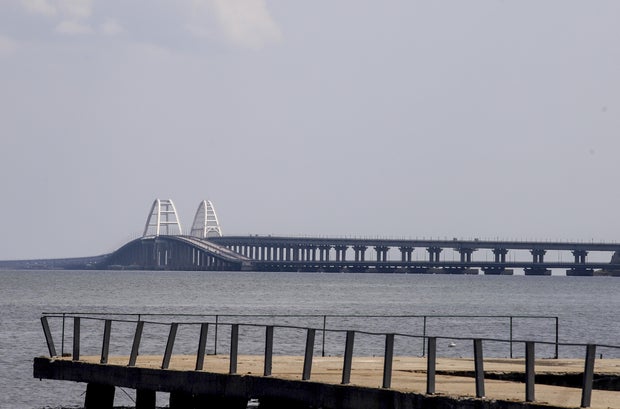
The 12-mile Kerch Bridge, which Putin opened in 2018, holds symbolic value as it joins the Russian mainland to Crimea, a territory occupied by Russia since four years before that. Despite previous strikes on the bridge, the latest attack caused extensive damage, prompting Russia to strike two major bridges in Kyiv as potential retaliation.
“Honestly, I discussed the issue with my colleagues at the Security Council, and I asked them to think about it and go back to the issue, so that we could reach some agreements,” Putin said, according to Russian state news agency TASS. “However, we will not make agreements after strikes on the Crimean Bridge. We will respond to these strikes.”
Putin downplayed the strategic significance of the bridge, stating he heard calls for a naval ceasefire and suspension of strikes on energy facilities, but remains firm against direct talks with Ukraine due to the bridge attack.
Putin reiterated that Russia’s response to the bridge strike would be considerable, emphasizing a retaliatory stance. Despite claims of advocating peace, he refutes accusations of initiating the conflict with the full-scale invasion of Ukraine on February 24, 2022.
The extent of Ukraine-related discussions in Trump’s meeting with Putin or in the broader meeting with Xi remains unclear. The White House recently indicated Ukraine would not be a discussion point, though Trump mentioned in Asia that the war would be deliberated among the leaders.
Meanwhile, Jared Kushner and U.S. Special Envoy Steve Witkoff met with key European leaders in Germany, discussing efforts to achieve lasting peace in Ukraine. Kushner expressed gratitude for the leadership and partnership in working towards ending the war and securing a future for Ukraine and Europe.
German Chancellor Friedrich Merz spoke critically of the China summit, describing it as a photo opportunity, and doubted its efficacy in bringing peace to Ukraine. During an earlier meet, Trump humorously referred to Putin as “my friend” before shaking hands with the Russian leader.