
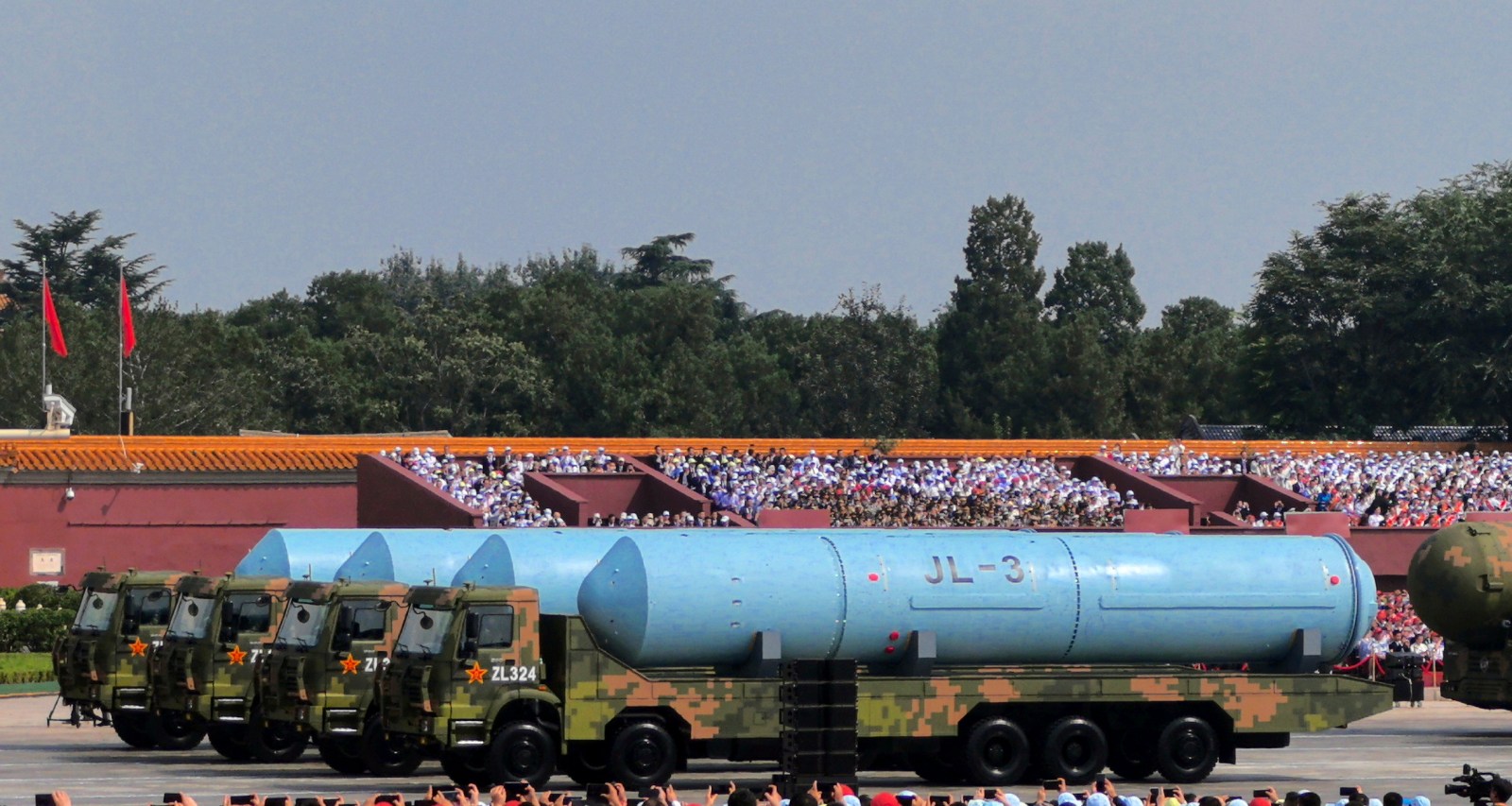
A coalition of 41 countries, including the United States, has demanded advance notice of missile launches. This comes after China’s recent test-firing of a nuclear-capable missile last month. The launch, believed to be of a Julang-2 or -3 intercontinental ballistic missile (ICBM), featured a dummy warhead and covered approximately 4,500 miles over the Pacific, alarming nearby nations.
The U.S., Japan, and Australia, among other regional treaty allies, criticized the launch as destabilizing. They noted that China provided only two hours’ notice ahead of the test. The Marshall Islands and Palau, U.S.-aligned Pacific nations that signed the joint statement, also lodged complaints.
The joint statement expressed concern over recent missile testing practices in the Pacific. These did not adhere to standard notification and deconfliction protocols for ICBMs, submarine-launched ballistic missiles, and space launch vehicles. It labeled surprise tests of nuclear-capable missiles as “dangerous” and advocated for a minimum of 24 hours’ notice from all countries, especially those possessing nuclear weapons.
Beijing Responds to U.S. Criticism
During a United Nations-linked disarmament conference in Geneva, U.S. State Department representative Victoria Nibarger repeated the concerns. In response, Chinese Ambassador for Disarmament Affairs Li Chijiang accused the U.S. of “political manipulation” and “double standards.” He emphasized China’s responsible and safe conduct of ICBM tests, citing that China has only conducted three such tests compared to over 300 by the U.S.
Experts observed that China’s recent test path was notably different from customary U.S. testing routes. Robert Underwood, director of the Pacific Center for Island Security, highlighted how U.S. tests avoid crossing island states, whereas China’s did. He noted that China’s aim appeared to be emphasizing its nuclear triad and counter-strike capabilities.
U.S. officials remain concerned about China’s expanding nuclear arsenal. The Stockholm International Peace Research Institute estimates China will have over 600 warheads by early 2025, a significant increase from around 350 in 2020. Nonetheless, China has dismissed U.S. urges to engage in nuclear arms-limitation talks, reaffirming its stockpile’s defensive posture and noting its smaller scale compared to the U.S. and Russia.
Newsweek sought comments from both the Pentagon and China’s Foreign Ministry regarding this issue.