
A recent surge in Ebola cases in Africa is raising alarms among U.S. public health officials as the World Cup approaches. The tournament, hosted across several North American cities, will attract hundreds of thousands of visitors. Though health authorities deem a significant Ebola outbreak in the U.S. unlikely, the event’s large crowds prompt concerns about disease transmission.
The U.S. State Department, alongside Canada and Mexico, acknowledged the Ebola outbreak and announced aligned health measures for those entering from high-risk regions. They emphasized prioritizing health and safety while ensuring smooth travel and commerce during the FIFA World Cup 2026.
“This coordinated approach aims to protect our citizens and the millions of visitors, fans, athletes, and tourists expected during the FIFA World Cup 2026,” stated the governments. “The health and safety of every person in the region remains our highest priority as we welcome the world to North America.”
President Trump’s administration has focused on controlling international travel and ensuring that exposed or infected Americans remain overseas. Glen Nowak, a former CDC official, indicated that the U.S. may not be adequately prepared if a large-scale outbreak occurs, citing weakened public health systems and political divides.
This year’s World Cup marks only the second since the COVID-19 pandemic, which claimed millions of lives globally. Health experts note that Ebola and hantavirus, though present, are less contagious than COVID. However, questions linger about travel safety for attendees. Congo has requested FIFA refund tickets for fans unable to enter the U.S. due to Ebola restrictions, while the country’s team complies with quarantine protocols.
Though Ebola poses less risk compared to common pathogens, safe travel remains a concern. Dr. Krutika Kuppalli remarked, “Infectious disease threats during the World Cup will almost certainly look much more familiar than frightening headlines suggest.”
The effectiveness of federal traveler screening from Africa remains unclear. A recent Hill report highlighted gaps in screening at Washington Dulles International Airport.
The White House Task Force on the World Cup expressed ongoing interagency coordination to support preparations, yet local officials feel federal communication has been lacking. Lori Tremmel Freeman from the National Association of County and City Health Officials noted federal cuts impact response capabilities.
Criticism arises regarding the administration’s withdrawal from the WHO, underscoring international cooperation needs. New York’s Health Commissioner Alister Martin stressed the importance of such partnerships.
Extra Points
Congress continues legislative efforts addressing college sports issues. The Protect College Sports Act, introduced by bipartisan senators, proposes limiting student-athlete transfers and pooling media rights. Some Democrats, including Sen. Chris Murphy, question the bill’s fairness to athletes.
The New York Knicks advance to the NBA Finals, with Trump planning to attend in New York. The UFC prepares for “UFC 250,” constructing an arena on White House grounds. Expecting over 4,000 attendees, Trump anticipates broader public engagement outside the Ellipse.
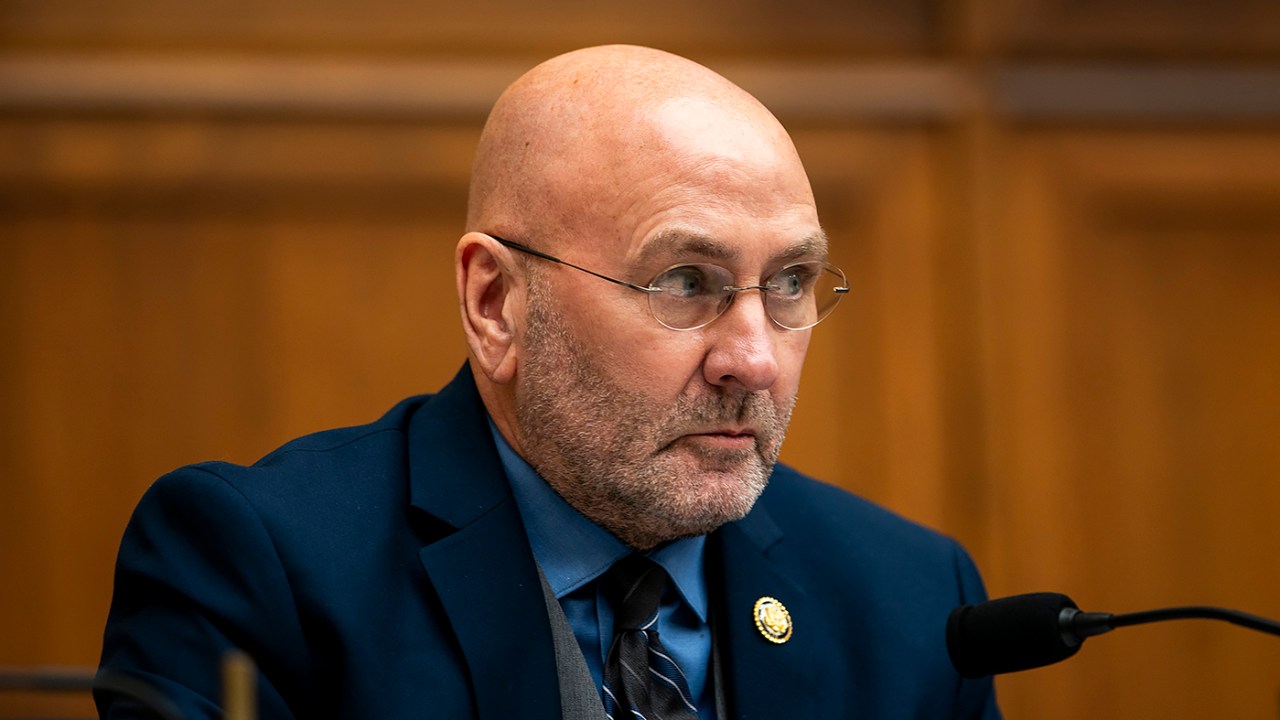
Rep. Clay Higgins answered sports-related inquiries, citing boxing as a favorite. He admires athletes like Julio César Chávez and disapproves of Alabama. He resonates with the motto, “You will miss 100 percent of the shots you don’t take.”
MLB owners propose a salary cap, stirring debates on franchise value. Sports Illustrated editors weigh in on correcting college sports issues. New York Giants’ Jaxson Dart faced backlash for introducing Trump at a New York event, highlighting locker room tensions.