
In a significant political event, Colombian presidential candidate Abelardo de la Espriella plans to dismantle criminal organizations and significantly cut government programs. If he secures a win in the upcoming runoff election, his agenda includes bombing drug-producing sites and constructing large prisons.
De la Espriella’s platform has gained support from former U.S. President Donald Trump. Trump deviated from White House norms by endorsing De la Espriella, a move aimed at influencing elections in Latin America. After Trump’s endorsement, the candidate shared an AI image featuring a bald eagle and a tiger, symbolizing unity between the U.S. and Colombia.
De la Espriella, an attorney and political newcomer, campaigns using social media fitness videos and rhetoric against the left. He represents a faction of far-right politicians in Latin America, inspired by Trump, who promise to minimize government, restrict immigration, and strengthen law enforcement. This approach is gaining traction in a region battling high crime rates and inequality following a long era of leftist leadership.
Polling firm Latinobarómetro reports a shift, with more Latin Americans identifying with the right than in the past 20 years. Recently, various conservative leaders have won elections in the region. They align with Trump on issues like combating drug cartels and addressing Chinese influence.
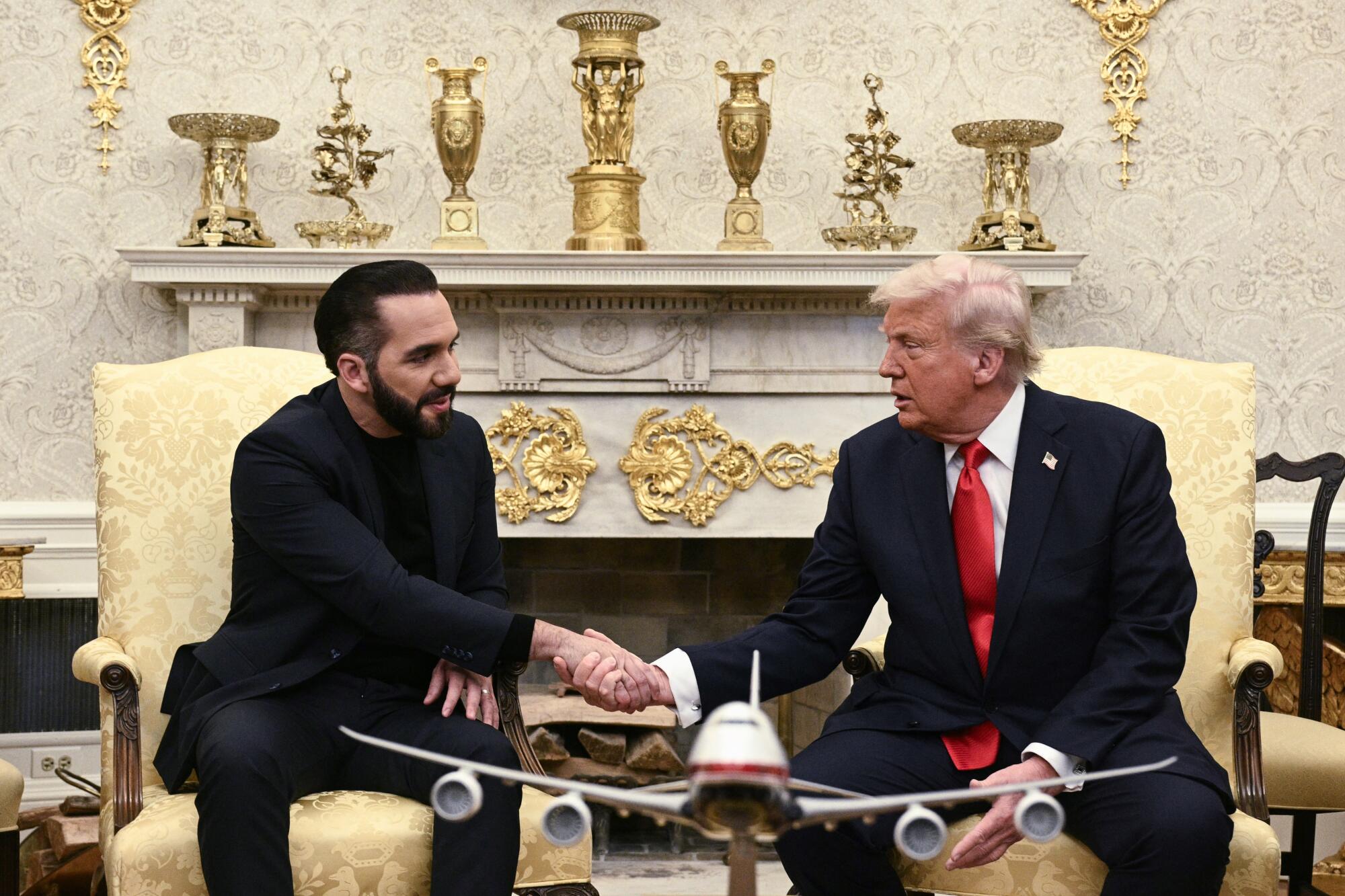
Among Trump’s allies is El Salvador’s President Nayib Bukele, known for strict policies on crime and immigration. Similarly, Argentina’s Javier Milei has initiated major cuts to government services. Meanwhile, Chile’s José Antonio Kast has proposed a border wall to bolster national security. In Peru, Keiko Fujimori is poised for a close election result, sharing ideological ties with Trump.
Regional Political Dynamics
The political landscape shows a prominent conservative wave. Yet, nations like Mexico, Colombia, and Brazil remain under leftist leadership. In Brazil, the electoral battle is intense between left-leaning incumbent Luiz Inácio Lula da Silva and right-leaning rival Flávio Bolsonaro.
Colombia’s De la Espriella emerged strongly in initial voting rounds. He now faces Senator Iván Cepeda, supported by leftist President Gustavo Petro. Petro criticized U.S. foreign policy, including its military stance against Venezuela and condemned Trump’s backing of De la Espriella.
Mexican President Claudia Sheinbaum accused Trump of electoral interference, especially after drug charges targeting her party members emerged. Trump warned Mexico to step up its actions against drug cartels; the White House, however, refrained from commenting on Sheinbaum’s remarks.
U.S. Influence and Reactions
Guillaume Long, Ecuador’s former foreign minister, condemned Trump’s direct involvement in Latin American politics. He argued that the war on drug cartels serves as a pretext for U.S. influence in the region.
Conversely, James Bosworth from Hxagon views some Latin American leaders as independently adopting hardline policies as they face severe security challenges. However, such policies align with U.S. interests, fostering cooperation.
Journalist Alex González Ormerod noted that Trump appears to draw inspiration from Latin American policies, especially those enacted by leaders like Bukele. Analysts suggest that political trends in Latin America fluctuate, indicating a future shift away from the current right-leaning tilt.