
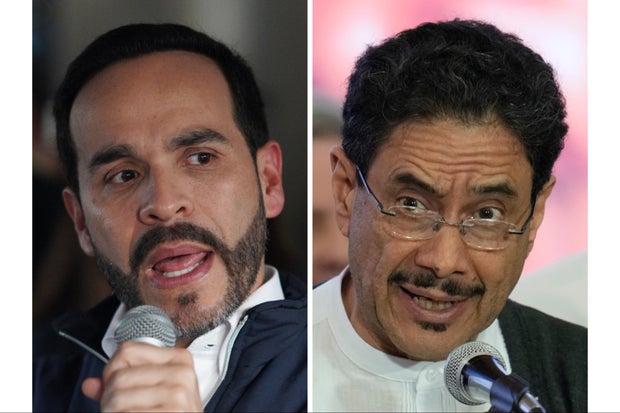
On Sunday, Colombia’s voters face a critical presidential runoff that highlights the nation’s political polarization. The election features Iván Cepeda, a progressive senator representing the ruling Pacto Histórico party, against Abelardo de la Espriella, a conservative outsider endorsed by former President Trump.
More than 41 million Colombians are eligible to cast their vote in this decisive contest. Both candidates address concerns of renewed internal conflict, drawing support from disparate ideological bases. John Manrique, a lawyer in Bogotá, echoes these anxieties, emphasizing the deep divisions and potential violence. He pleads for acceptance of whoever emerges victorious, saying, “Let’s not go out and fight.”
Cepeda’s agenda promises continuity with current President Gustavo Petro’s policies, focusing on dialogues with armed groups, despite the mixed success of these efforts. Conversely, de la Espriella puts forward a tough rhetoric, mirroring Salvadoran President Nayib Bukele’s strategies on crime, proposing the construction of mega-prisons to curb violence.
The electoral stakes are heightened by historical context. Over a decade ago, Colombia’s peace treaty with FARC aimed to dismantle cycles of violence. However, various rebel groups have shifted towards drug trafficking. Recent data shows homicide rates reaching 14,780 last year, the highest since 2015.
In the initial round of voting, Cepeda secured 41% while de la Espriella led slightly with 44%. These results stirred controversy as Petro expressed doubts about their legitimacy, despite lack of evidence. Violence and extortion continue to strain the country as illegal armed factions regroup.
Critics remain skeptical about Petro’s long-term peace initiatives. Despite a milestone where an armed group agreed to disarm and reintegrate, larger challenges loom with Colombian criminal groups numbering over 27,000 militants. Former teacher Yamile Guevara articulates this skepticism, reflecting citizens’ distrust of the left’s historical associations with militant entities.
The lead-up to the runoff has been marked by heated exchanges and accusations of electoral and ethical misconduct. Cepeda has brought allegations against de la Espriella of paramilitary involvement, accusations that he denies.
The outcome of Sunday’s election carries significant implications for Colombia’s trajectory and its international relationships, notably with the United States.