
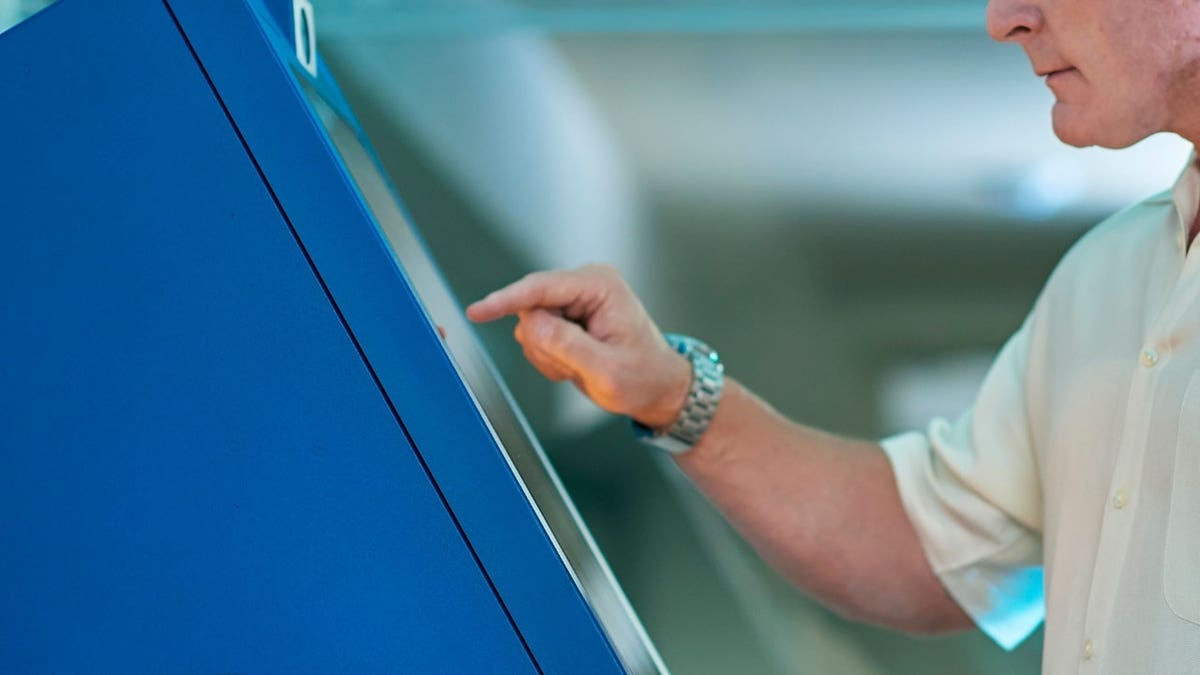
Minnesota plans to ban cryptocurrency ATMs after scammers exploited these machines to defraud residents of nearly $1 million in recent years. These kiosks, also known as cryptocurrency machines, enable swift conversion of cash into digital currency. This speed makes them attractive to criminals for scams involving fake emergencies and legal threats.
Ban Implementation
The ban will take effect on August 1, 2026. By the end of this year, operators must remove all publicly accessible machines. State officials highlight scammers’ use of these machines to induce panic and secure payments from victims. A frightened individual might receive a threatening call, rush to a machine, and transfer funds before intervention is possible.
Rise in Crypto ATM Scams
Between 2023 and 2025, Minnesota recorded 134 complaints related to crypto ATM scams, with reported losses nearing $1 million. In 2025, there were 70 cases, resulting in over $540,000 in losses. Many scams remain unreported due to victims’ embarrassment or fear of judgment.
Despite previous efforts to enhance machine security with warnings and limits, scammers adapted. They direct victims through transactions over the phone, instructing them on what to say if questioned. The state now takes a stronger stance by eliminating public access to these machines.
Challenges in Reversing ATM Scams
Crypto ATMs pose significant challenges for scam victims. Unlike bank or credit card transactions, which might be paused or traced, crypto transactions are swift and irreversible once completed. Scammers benefit from this, converting cash to cryptocurrency and moving it through multiple wallets across borders, leaving victims with limited recovery options.
Examples of Scam Tactics
Scammers often begin their schemes with pressure tactics. They might claim you missed jury duty or that a relative is in legal trouble. They then demand fast payment. Victims are guided to withdraw cash and use a crypto kiosk, receiving QR codes or wallet addresses from the scammer, who may stay on the line to ensure compliance.
Victims have included Gail Barr, who lost $9,260 to a jury duty scam. Another case involved an elderly man losing $200,000 in a fake PayPal refund scheme. Joe Allen, from Connecticut, fell victim to a $300,000 crypto investment scam, with criminals exploiting his fear and trust.
Broader Implications and Prevention Tips
The FBI reported over 13,400 complaints involving crypto kiosks in 2025, with losses exceeding $388 million. More than half involved individuals over 50, highlighting the scam’s impact on older generations. These individuals often possess savings and may be more prone to answering unexpected calls.
Preventative Measures
- Hang up if someone demands crypto payment.
- Verify emergencies by contacting the person or a family member directly.
- Use data removal services to protect personal information from scammers.
- Watch for coaching by the scammer during ATM transactions.
- Employ strong antivirus software to block scam-related links.
- Discuss unusual transactions with your bank before proceeding.
- Consider identity theft protection if you’ve experienced a scam.
- Report scams promptly to authorities to aid in future prevention.
Minnesota’s decision to ban these ATMs may influence other states. If the ban reduces losses, it could prompt similar actions elsewhere. The initiative aims to stop the rapid cash-to-crypto transition, allowing potential victims to question and verify before acting.