
Theodore Roosevelt: A Historical Figure
Theodore Roosevelt continues to be one of the most admired presidents in U.S. history. As the country prepares to celebrate July 4, a new library dedicated to Roosevelt’s legacy emerges in the North Dakota Badlands, 107 years after his death.
A Unique Tribute
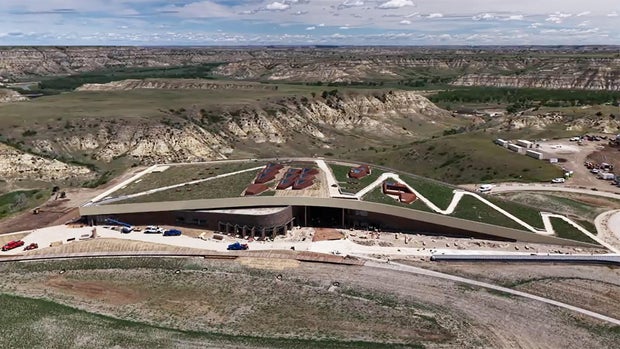
The 96,000-square-foot Roosevelt Presidential Library reflects its surroundings, emphasizing subtlety over grandeur. Architect Craig Dykers designed a structure embedded in nature, aiming to transform visitors as it transformed Roosevelt himself. Nature plays a critical role, mirroring both the local terrain and the transformative journey Roosevelt experienced.
The Library’s Design
The library features a sloping roof covered with native grasses and walking paths, allowing visitors to admire the surroundings. Natural lighting will permeate the interior, courtesy of skylights, with walls made of compressed earth. This innovative design blurs the lines between the library and nature.
The library is the largest project ever undertaken in Medora, North Dakota, with a $450 million price tag.
Location and Historical Significance
Roosevelt’s library finds its home in the Badlands due to its profound impact on his life. Roosevelt, once a sickly child turned avid reader, experienced personal growth during his time here. Edward O’Keefe, CEO of the library, notes Roosevelt’s transformative journey from a broken man to a healed individual through nature.
In 1884, Roosevelt faced personal tragedy with the deaths of his mother and wife on the same day. This led him to the Badlands to rebuild his life.
Roosevelt’s Resilience
Roosevelt’s experience in the Badlands shaped his resilience. He challenged perceptions and embraced the rugged life, defying expectations. This approach inspired the library’s mission to encourage visitors to embrace their own journeys.
A Technological Innovation
The library embraces technology as a tool for engagement. Visitors can converse with an AI representation of Roosevelt, offering insight into his life and legacy. This interactive approach ensures a dynamic learning experience.
The library features paths for horseback riding and campfire storytelling, alongside a visit to Roosevelt’s cabin at Elkhorn Ranch.
Challenges and Controversies
While the library celebrates Roosevelt’s legacy, it also confronts contentious aspects of his life, such as his views on indigenous peoples. A statue depicting racial superiority was relocated here for contextualization, ensuring a complete understanding of Roosevelt’s legacy.
His great-great-grandson, Theodore Roosevelt V, emphasizes the necessity of addressing historical issues. A land blessing involved local tribes to ensure respectful representation.
Roosevelt’s Lasting Lesson
The library promotes a message of perseverance amid adversity. Roosevelt advocated for action over criticism, highlighting the importance of striving for change.
For those looking to delve further into Roosevelt’s life, Edward F. O’Keefe’s book about the women who influenced him offers additional insight.