
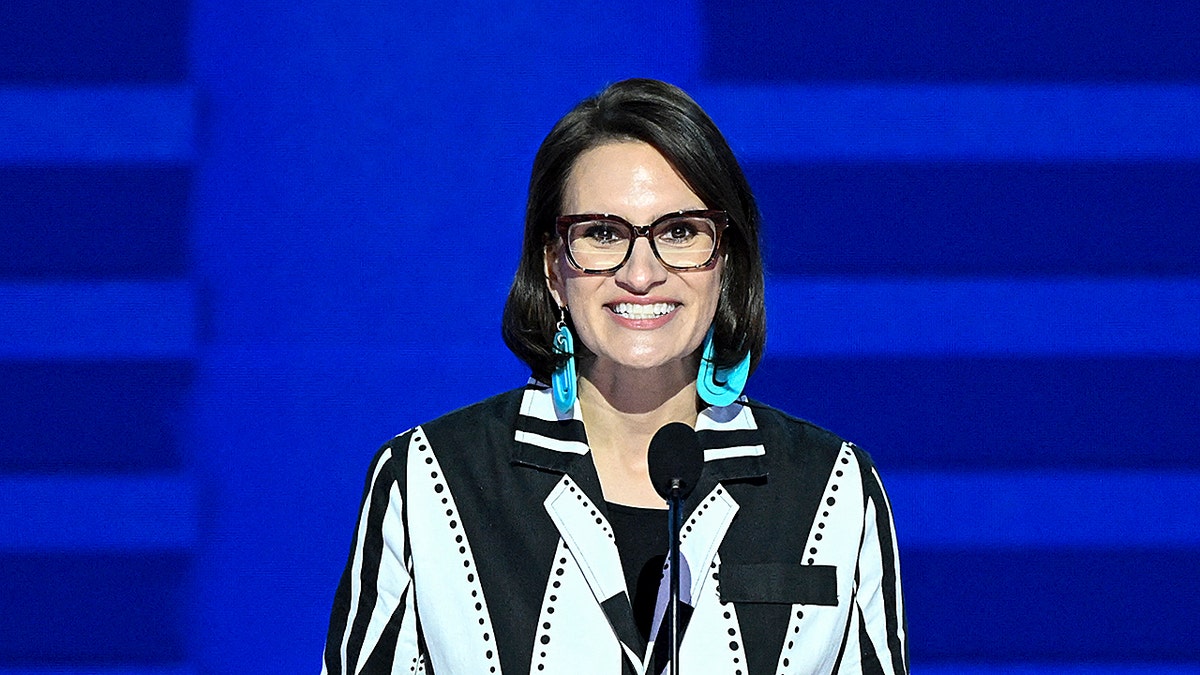
Lt. Gov. Peggy Flanagan of Minnesota emerged as a pivotal figure in the state’s Democratic primary for the Senate. Her victory speech targeted Immigration and Customs Enforcement (ICE), describing it as a force that requires dismantling to protect communities. She emphasized the need for immigration reform, secure borders, and pathways to citizenship aligned with national values.
Flanagan represents the progressive wing within the Democratic Party. Her triumph over Rep. Angie Craig signified a challenge to established figures like Senate Minority Leader Chuck Schumer. This win is part of a broader trend involving other insurgent candidates keen on Medicare for all and revisiting military aid to Israel.
The push to overhaul ICE gained momentum after two immigration enforcement-related shootings in Minnesota. Flanagan positioned herself against Craig by opposing legislation such as the Laken Riley Act. She garnered endorsements from prominent progressives including Sen. Bernie Sanders, Rep. Ilhan Omar, and Sen. Tina Smith, who vacated her Senate seat, allowing Flanagan to run.
Despite Flanagan’s promises of change, her progressive stance has stirred controversy. The fallout from a fraud scandal involving Gov. Tim Walz, her political ally, presented challenges. Nonetheless, her campaign proceeds without a formal endorsement from Walz.
Financial dynamics also play a key role. Flanagan raised nearly $7 million, while Craig secured $13 million, highlighting the significance of campaign funding. Republican strategists view Flanagan akin to Dr. Abdul El-Sayed, a fellow progressive who narrowly won in Michigan.
With Michele Tafoya as the Republican candidate, the race in Minnesota is critical. National Republicans perceive a potential shift toward their favor. Sen. Tim Scott expressed optimism in flipping Minnesota, underscoring the competitive nature of the race.
As both parties mobilize for the November elections, each seeks to allocate resources strategically. Minnesota remains a focal point, reflecting broader electoral calculations.