
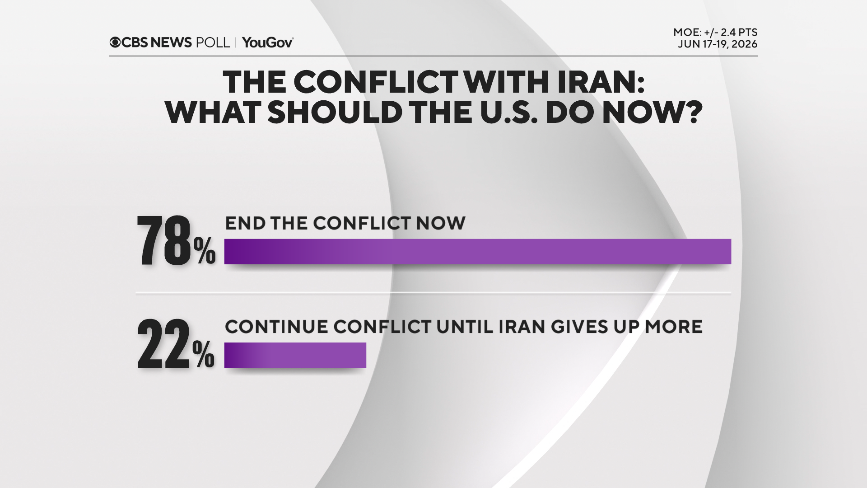
Many Americans express a strong desire for the Iran war to conclude, particularly those deeply affected by rising gas prices. They see a potential for relief as prices may decrease. Yet, there is a sentiment that the U.S. did not achieve its strategic or economic objectives, rendering the costs unjustified.
Most Americans doubt the permanent cessation of Iran’s nuclear activities and suspect continuing threats to neighboring countries. This skepticism extends to some members of the president’s Republican base.
The public perception is that the Trump administration prioritizes ending the war over achieving its stated goals. Relatively few believe the new agreement leaves the U.S. in a favorable position. The majority also feel the U.S. has neither secured Iran’s populace nor influenced its leadership towards pro-U.S. stances.
Assessing the Situation in Iran
Many believe Iran will continue to threaten regional neighbors. The conflict appears to offer negligible advancement of U.S. economic or strategic interests. Within the president’s GOP base, there are divisions on future approaches. A noteworthy segment, four in ten Republicans, believes the conflict should continue until further concessions are made by Iran.
Republicans are divided on whether the U.S. has successfully halted Iran’s nuclear ambitions or regional threats. Opinions also vary on whether the U.S. fared well in the recent agreement.
Timing and Economic Considerations
Many Americans feel the administration did not anticipate global economic reactions. There’s skepticism about the administration achieving its goals, appearing more focused on conflict resolution. Yet, the potential for lower gas prices helped stabilize the president’s approval ratings, particularly among non-college educated Whites who believe in gas price reductions.
This demographic, while supportive of the president, reports financial strain from price hikes. Those struggling financially due to gas prices lean towards ending the conflict.
Future Outlook
The desire to end the war is partly driven by expectations of declining gas prices, though many fear Iran will persist in its threats, particularly regarding the Strait of Hormuz.
Uncertainty abounds regarding Iran’s current status; only a third feel Iran is weaker post-conflict. The nuclear program and Iran’s leadership remain paramount concerns. Half of the respondents find it unacceptable for the war to end under the current regime, associating this with continued regional threats.
Overall, the prevailing opinion suggests the conflict generated more issues than it resolved. This CBS News/YouGov survey gathered insights from 2,519 U.S. adults between June 17-19, 2026, ensuring representative demographic weighting. The survey’s margin of error stands at ±2.4 points.