
Birthright citizenship in the United States is defined by the 14th Amendment to the Constitution. It states, All persons born or naturalized in the United States, and subject to the jurisdiction thereof, are citizens of the United States and of the State wherein they reside.
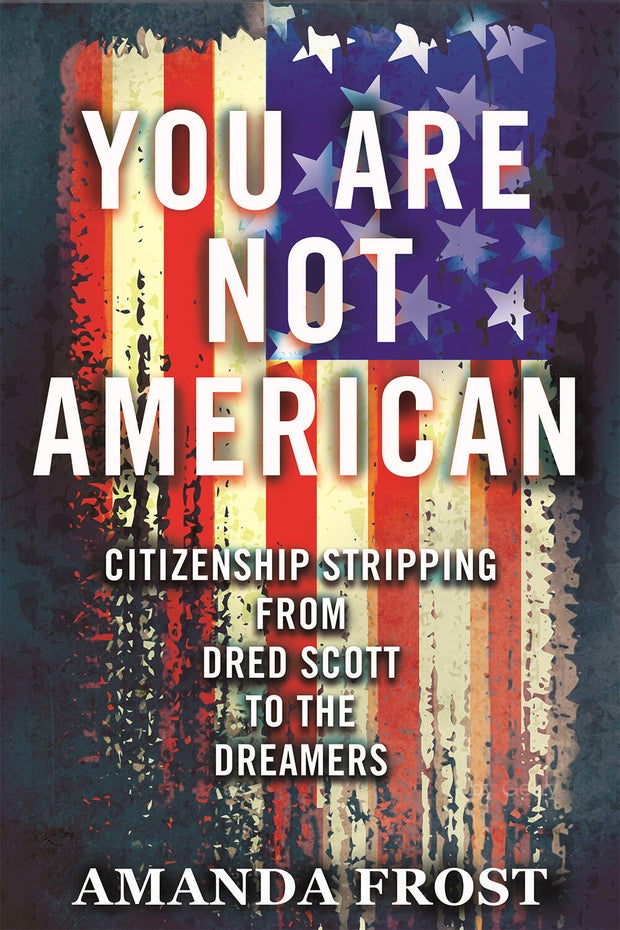
According to Amanda Frost, a law professor at the University of Virginia, this means everyone born in the U.S. is automatically a citizen. There are very few exceptions, such as for the children of diplomats and invading armies. Frost emphasizes there is clarity in the Constitution regarding this clause.
Despite this clarity, public opinion is divided. A Pew Research Center poll indicates an even split on whether birthright citizenship should be extended to children of undocumented immigrants, with 50% in favor and 49% against.
In January 2025, President Trump issued an executive order that challenged this interpretation. The order aimed to deny citizenship to most children of undocumented or temporary resident parents, impacting around 250,000 children annually. A lower court blocked the order, and the matter now waits for a Supreme Court decision.
Historical Context
The Supreme Court first made a significant ruling on citizenship 170 years ago with the infamous Dred Scott v. Sandford decision in 1857. The court then declared no Black person, free or enslaved, could be a U.S. citizen. Chief Justice Taney suggested that changing this would require a constitutional amendment.
Following the Civil War, the 14th Amendment was enacted in 1868 to affirm citizenship for formerly enslaved people and the children of immigrants arriving in the U.S. The case of Wong Kim Ark in 1895 further solidified this principle. Born in San Francisco to Chinese parents, Wong was denied reentry to the U.S. due to the Chinese Exclusion Act. He asserted his rights as an American and the Supreme Court ruled in his favor, affirming birthright citizenship.
Modern Debates
Rogers Smith, a political scientist, suggests the citizenship clause is concise and lacks direct guidance on issues like the status of children of unauthorized aliens. Smith believes Congress has the power to define citizenship, rather than relying on court decisions.
Although Smith’s work is cited by those advocating for restricted citizenship, he opposes the actions of the Trump administration. He argues against using his scholarship to support anti-immigrant views and emphasizes the importance of congressional action over judicial involvement.
International Perspectives
Many countries, particularly in the Americas, still uphold universal birthright citizenship. However, several nations have moved away from it. For example, Ireland ended automatic birthright citizenship in 2005. This decision impacted individuals like Mariam Sobayo, who, while born in Dublin, was not recognized as an Irish citizen due to her birth occurring after the change in law.
After years of navigating her stateless status, Sobayo became an Irish citizen in 2023. She describes this as a pivotal moment, finally allowing her the freedom to travel and fully engage with society.
The American Context
Frost argues that removing birthright citizenship is not a solution to immigration challenges. She highlights the significant contributions of immigrants and their children in various fields, pointing to their success in integrating into American society.
Despite her opposition to efforts to end birthright citizenship, Frost acknowledges that the ongoing discussions provide an opportunity to revisit and affirm the values that underpin this constitutional right. The dialogue reminds Americans of the goals of equality embedded in their founding values, which the citizenship clause was designed to uphold.