
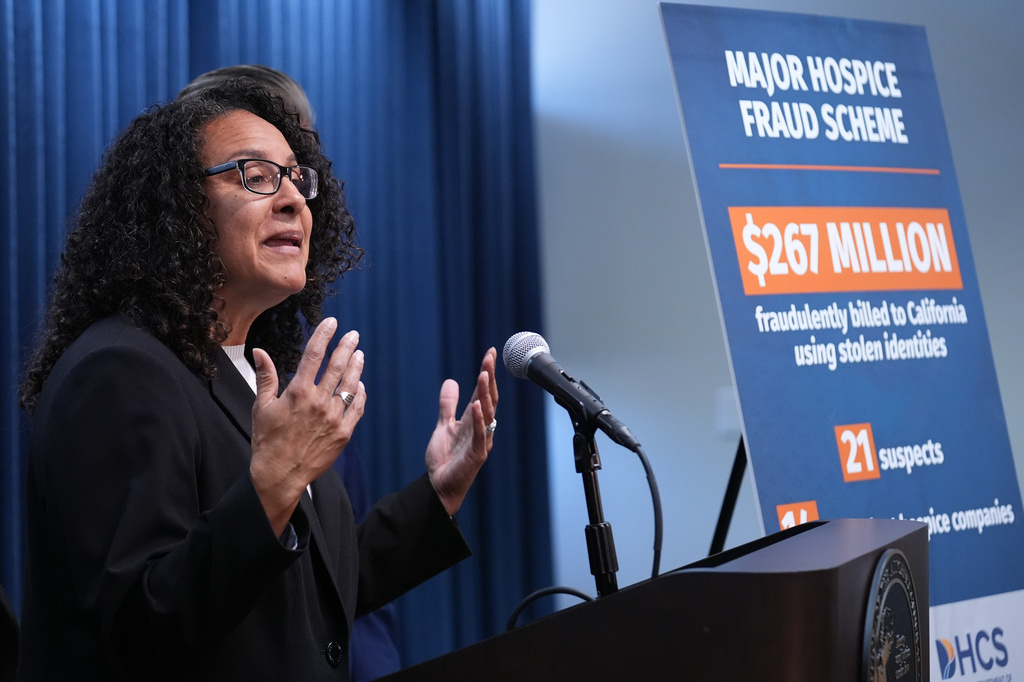
Kim Johnson, Secretary of the California Health and Human Services Agency, revealed the dismantling of a fraudulent hospice scheme worth $267 million at a recent Los Angeles news conference. These services, vital to many Americans, provide essential at-home care ranging from post-hospitalization to end-of-life support. However, fraud within Medicare home health and hospice programs severely impacts the integrity of health services. It not only steals taxpayer funds but also endangers patients and weakens trust in healthcare.
Efforts to combat fraud in healthcare are crucial. Partnering with the National Alliance for Care at Home, the Protecting Seniors and Stopping Fraudsters Act is designed to reinforce integrity in the home health and hospice sectors. This initiative aims to secure patient access and ease the burden on legitimate providers.
Concerns about hospice fraud have been persistent, with legitimate providers and policymakers voicing them repeatedly. These issues were presented to federal regulators and discussed in Ways and Means Committee hearings before gaining widespread attention.
Despite the fraud, most hospice providers maintain high standards of care. The new legislation focuses on tackling fraud with a data-driven approach, ensuring care access remains stable. Enhancements in oversight by the Centers for Medicare and Medicaid Services include penalizing non-compliance with quality data submissions and enforcing site visits for providers with dubious billing practices.
By bolstering the role of accrediting organizations, the legislation also aims to prevent fraudulent operators from entering the Medicare system initially. Collaborative efforts with leaders like Dr. Mehmet Oz underline the importance of smarter oversight in Medicare and Medicaid.
The united objective of providers, regulators, and lawmakers is to ensure patients receive high-quality, trustworthy care while safeguarding taxpayer resources. This legislation represents progress in achieving that objective. Bipartisan support is encouraged to enhance oversight, protect patient trust, and maintain care quality.
Program integrity in Medicare is crucial for maintaining patient care services. Representative Beth Van Duyne of Texas, a member of the House Ways and Means Committee, and Jennifer Sheets, CEO of the National Alliance for Care at Home, both advocate for these efforts.