
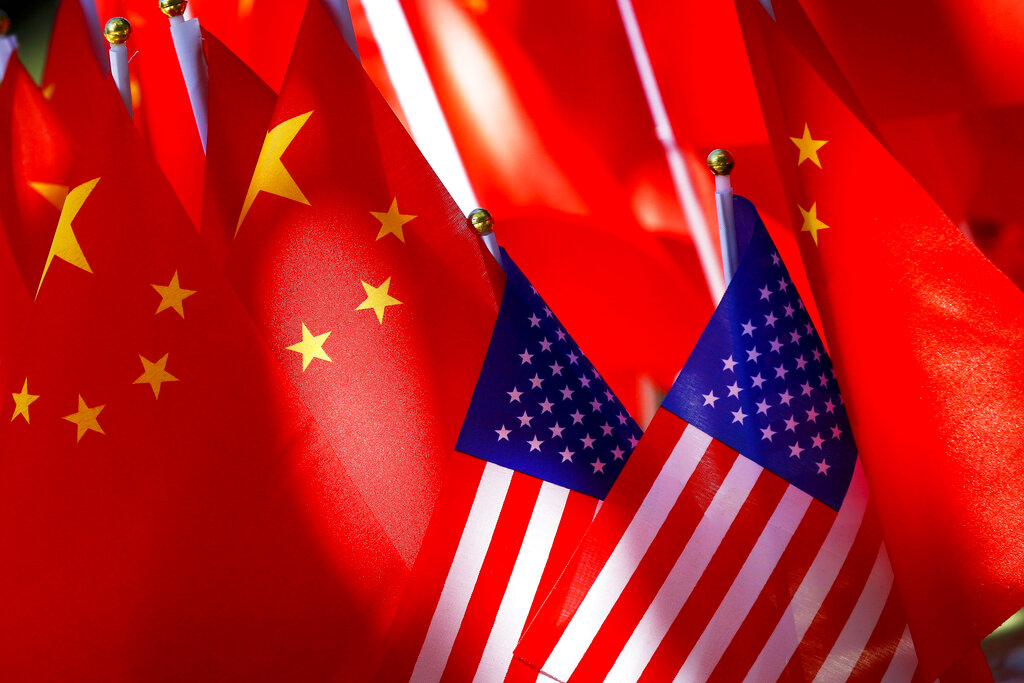
American flags are displayed alongside Chinese flags in Beijing, representing the complex relationship between the two nations. Congress has chosen the National Defense Authorization Act as a primary method for countering China’s military and technological advances.
Linking Higher Education and National Security
America’s higher education system plays a critical role in national security by educating essential talent, conducting research, and innovating in areas vital to military advantage. Universities attract interest from foreign governments because of this strategic importance.
Concerns with Foreign Influence
China views higher education as an opportunity to gain strategic advantages. Congressional investigations have highlighted concerns with foreign collaborations in sensitive research fields such as artificial intelligence and quantum technology. Such partnerships can inadvertently support China’s military progression.
Issues with Foreign Funding Transparency
Transparency in foreign funding is crucial to maintain research security. Current disclosure laws require reporting of foreign gifts and contracts over $250,000. However, the enforcement of these laws has uncovered billions in previously undisclosed contributions, including from entities tied to China’s military.
Proposed Legislative Improvements
Congress is considering lowering the reporting threshold to $50,000 and enforcing full disclosure for countries like China and Russia. These changes aim to improve monitoring and public access to foreign funding information, enhancing risk assessment capabilities before granting additional research funds.
Ensuring Openness and Security
New disclosure requirements focus on transparency without limiting foreign students or lawful exchanges. This approach maintains America’s strategic advantage in attracting global talent while protecting against hidden risks.
Conclusion
As lawmakers deliberate China-related measures, the discourse on foreign funding disclosure should be paramount. The objective is not restricting international academic exchange but understanding external influences on U.S. campuses.
Craig Singleton serves as a senior fellow at the Foundation for Defense of Democracies, contributing his expertise as a former U.S. diplomat.