
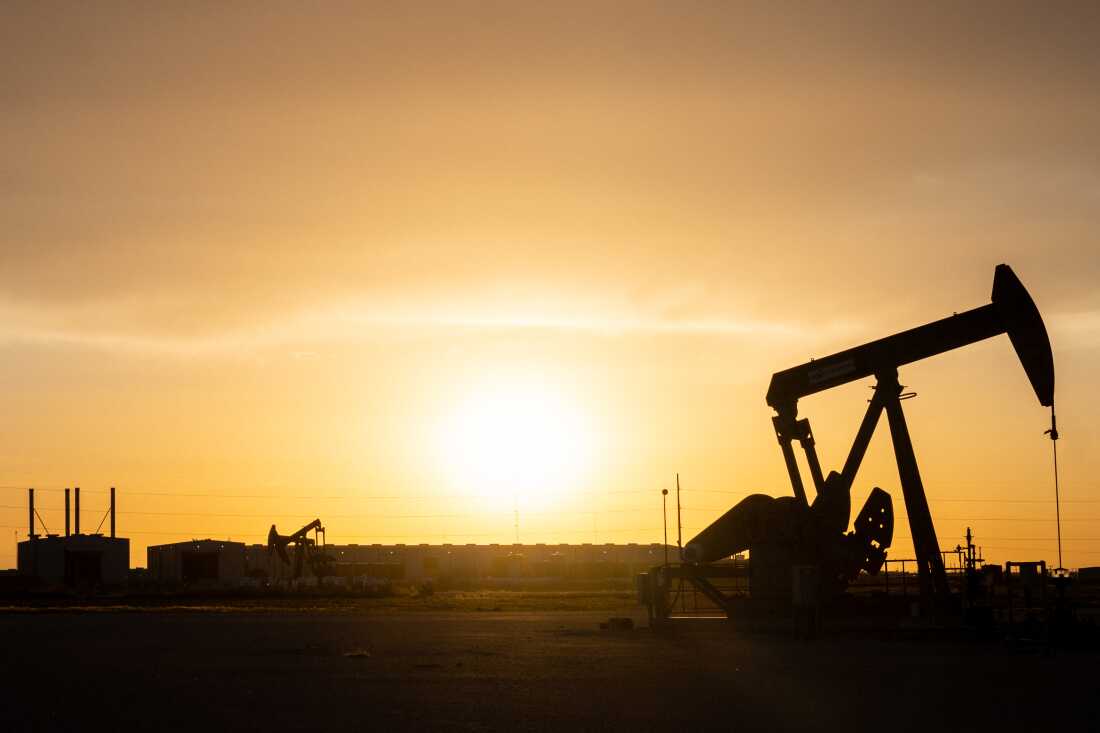
Oil prices have risen considerably since the onset of conflict between the U.S. and Iran. Despite this, the production costs for oil companies have not increased significantly, according to the American Petroleum Institute (API). Many U.S. lawmakers, including Democratic Sen. Sheldon Whitehouse of Rhode Island, advocate for taxing oil companies’ windfall profits.
Surge in Oil Prices and Consumer Impact:
Recent developments have seen oil prices surge, burdening U.S. consumers with higher gasoline prices. Oil and gas companies are profiting significantly as a result. An analysis by Global Witness reveals that the top 100 oil and gas firms amassed $30 million per hour in excess profits during early stages of the conflict. The increased profits reflect global spikes in oil prices, asserts Dominic Eagleton from Global Witness.
Production Costs Versus Profits:
The production costs for many oil companies have remained stable since the conflict began. This stability has resulted in windfall profits, unexpected gains due to the war. Global Witness reports that the top six European oil companies recorded profits of at least $22 billion in the first quarter of 2026, a 43% increase over the first quarter of 2025.
Windfall Taxes in the U.K. and European Union:
The U.K. and EU imposed windfall taxes on oil profits post Russia’s Ukraine invasion in 2022, continuing to date in the U.K. These taxes, like the one proposed by Sen. Whitehouse, aim to redistribute excess profits. The EU and U.K. taxes collectively raised substantial revenues, aiding families with high energy expenses.
Whitehouse’s Proposal Explained:
Sen. Whitehouse proposes a tax where excess profits would be calculated based on pre-war oil price averages against current spikes. Half of the profits would be redistributed to low-income Americans via tax rebates. Initially introduced in a 2022 bill, Whitehouse reintroduced the proposal in March. His office suggests the new tax could avoid pitfalls seen in past windfall taxes by covering both imports and domestic oil.
Historical Context and Industry Response:
The U.S. had a windfall profit tax in 1980 following the surge in oil prices during the 1970s. It failed to generate expected revenue due to oil price drops and tax avoidance strategies by oil companies. The current proposal seeks to address previous shortcomings by focusing on broader price averages, minimizing manipulation.
Industry Opposition:
The API and prominent oil companies consider the proposal misguided, arguing it penalizes energy production at a critical time. Larger companies producing or importing over 300,000 barrels daily would be affected, leaving 70% of U.S. production intact. However, many industry players like Chevron and ExxonMobil prefer not to comment directly on the proposal.
Legislative Challenges and Future Outlook:
While supported by several senators including Bernie Sanders, the proposal faces significant legislative hurdles. Whitehouse hopes it will highlight large profits in the oil sector and showcase renewable energy as a viable, cost-competitive alternative.