
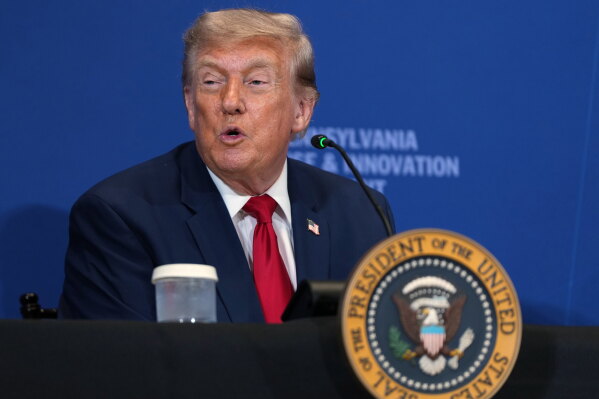
On Wednesday, President Donald Trump dismissed the newly appointed U.S. prosecutor for Seattle, Roger Rogoff, less than an hour after his appointment by federal judges. This incident underscores the ongoing friction between the judiciary and the executive branch over certain powerful positions.
Rogoff, a former judge and experienced prosecutor, was sworn in as the U.S. attorney early in the morning at Seattle’s federal courthouse. Shortly after, he intended to meet with Charles Neil Floyd, whose interim term as U.S. attorney had ended in February. While waiting, Rogoff received an email from the Trump administration notifying him of his removal. Considering his legal options, he mentioned consulting with other attorneys about a potential lawsuit regarding his dismissal.
Typically, U.S. attorneys are presidential appointees requiring Senate confirmation. However, exceptions are made for temporary appointments. When these lapse without a confirmed nominee, district judges can appoint a U.S. attorney. The Trump administration, however, has often utilized unconventional strategies to maintain unconfirmed prosecutors in their roles.
“District court judges can appoint a temporary U.S. Attorney, and POTUS can fire them,” explained Acting U.S. Attorney General Todd Blanche on social media. He criticized the judges for bypassing the administration’s standard consultation process in selecting Rogoff.
Initially appointed as interim U.S. attorney in October, Floyd’s nomination was never sent to the Senate by Trump. Once his interim term concluded, the administration re-designated him as the first assistant U.S. attorney, leaving the top position vacant. In May, a U.S. appeals court panel raised legal concerns about this tactic. Consequently, Seattle’s federal judges initiated a selection process, resulting in Rogoff’s appointment by a unanimous decision of the 17 judges.
Senator Patty Murray of Washington, a Democrat, opposed Floyd’s nomination and criticized Rogoff’s abrupt dismissal. She highlighted Rogoff’s legal appointment and his dedicated public service. She accused the administration of circumventing the traditional advice and consent role of Congress.
Rogoff, with two decades as a state prosecutor and six years at the federal level, anticipated potential conflict with the administration. Nonetheless, he expressed pride in his career and appreciated the judges’ support. “Being U.S. attorney is the best job there is for a prosecutor,” he stated, acknowledging his relief at the judges’ confidence in him.