
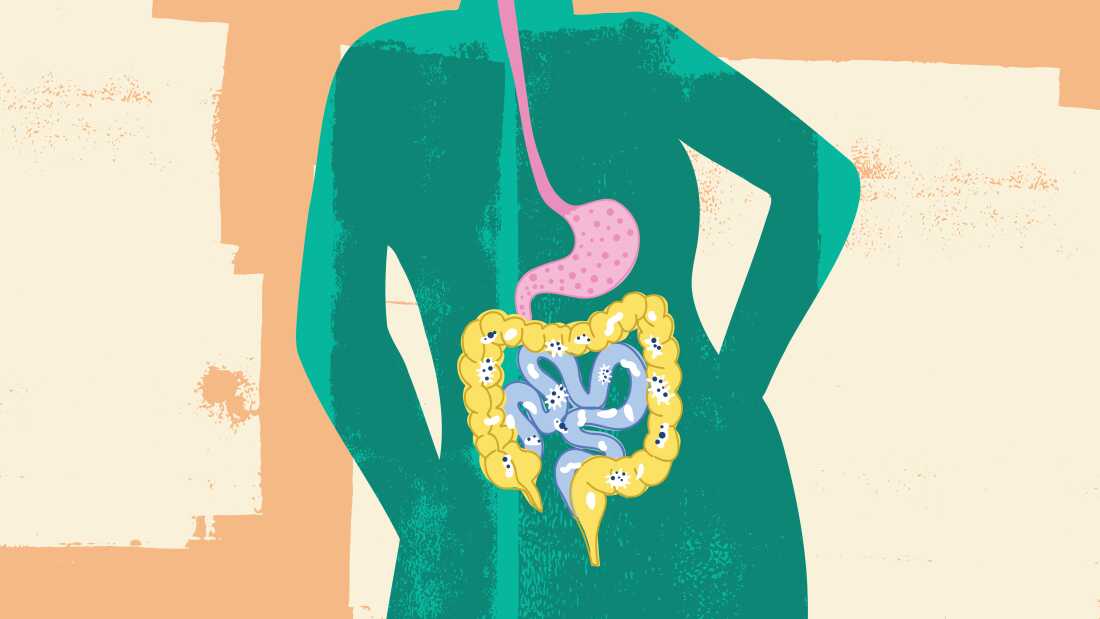
Healthy individuals exhibit a wide variation in gut microbiome composition due to geography, lifestyle, diet, genetics, and other influences. Recent interest in the gut microbiome has increased, alongside a rise in products and advice claiming to optimize gut health. However, experts warn that many of these claims surpass current evidence.
Challenges in Defining a Healthy Microbiome
The definition of a ‘healthy’ gut microbiome remains elusive. Factors such as geography and lifestyle cause significant differences in individuals’ microbiomes. According to Dr. Hannah Holscher from the University of Illinois, a consensus on what constitutes a healthy microbiome does not exist. Consequently, determining gut health is more complex compared to assessing measurable health indicators like cholesterol levels.
Researchers agree on some desirable traits in a microbiome, like diverse microorganisms, resilience to changes, and specific bacterial groups linked to health. Still, exceptions occur where greater diversity might relate to disease.
Role and Activity of Gut Microbes
Experts caution against viewing microbes simply as ‘good’ or ‘bad.’ As Professor Alexander Khoruts of the University of Minnesota points out, dysfunction may stem from entire microbial communities rather than single microbes. Notably, a study exploring microbiomes worldwide highlighted key bacterial groups tied to health. However, the study was observational and not definitive on causation.
Some bacteria, like Roseburia, are beneficial by producing short-chain fatty acids that maintain gut health. Individuals’ microbiomes differ greatly, influencing responses to similar interventions.
The State of the Modern Microbiome
Social media might suggest our microbiomes are flawed, yet Dr. Fergus Shanahan from the National University of Ireland highlights a more complex reality. Industrialized lifestyles have altered but not necessarily broken our microbiomes. While changes, such as reduced fiber intake and increased antibiotics usage, affect gut health, adaptation to modern environments is evident.
Importantly, what’s once considered ‘normal’ might not be ‘healthy.’ History shows microbes like Helicobacter pylori are now recognized as risk factors for specific diseases despite previous widespread presence.
Concerns Over Microbiome Testing
The rise of consumer microbiome testing offers the allure of mapping gut health, yet Professor Khoruts regards these tests as largely uninformative. They lack consistency and standardized metrics. Companies might produce differing results from identical samples due to varied methodologies. Such tests don’t match clinical diagnostics’ standards for accuracy.
Understanding Probiotics
Among many probiotic products, a few meet the criteria of being alive, abundant, and offering health benefits. Dr. Shanahan warns consumers that claims of clinical testing don’t always align with significant findings. Some probiotics have evidence of benefit in specific contexts, like reducing antibiotic-related diarrhea.
Probiotics function by temporarily interacting with the body to promote health rather than permanently colonizing the gut. Dr. Maria Marco from UC Davis notes that choosing the right probiotic depends on individual needs.
Benefits of Fiber and Fermented Foods
Increasing fiber intake from nuts, fruits, and vegetables effectively supports gut microbiomes. Holscher recommends diversity in fiber sources, as varied foods nourish different microbes. Research shows increasing fiber intake quickly influences microbiome composition.
Fermented foods, like kimchi and yogurt, also favor gut health. Stanford research revealed that fermented foods can enhance microbial diversity and lower inflammation markers. For probiotics, choose live culture products.
Dietary Considerations
Beyond avoiding specific foods, experts suggest focusing on diverse diets primarily composed of whole foods. Limit refined sugars and saturated fats. While evidence suggests ultra-processed foods affect the gut, the exact mechanisms remain under study. Alcohol may harm gut microbes, so moderation is advised.
Impact of Lifestyle
Overall well-being, including sleep, exercise, and mental health, influences gut microbiomes. Khoruts notes that simple lifestyle improvements can alleviate minor gut issues in the absence of diagnosed conditions. Dr. Shanahan emphasizes traditional health advice over trends and quick fixes, aligning with research findings.