
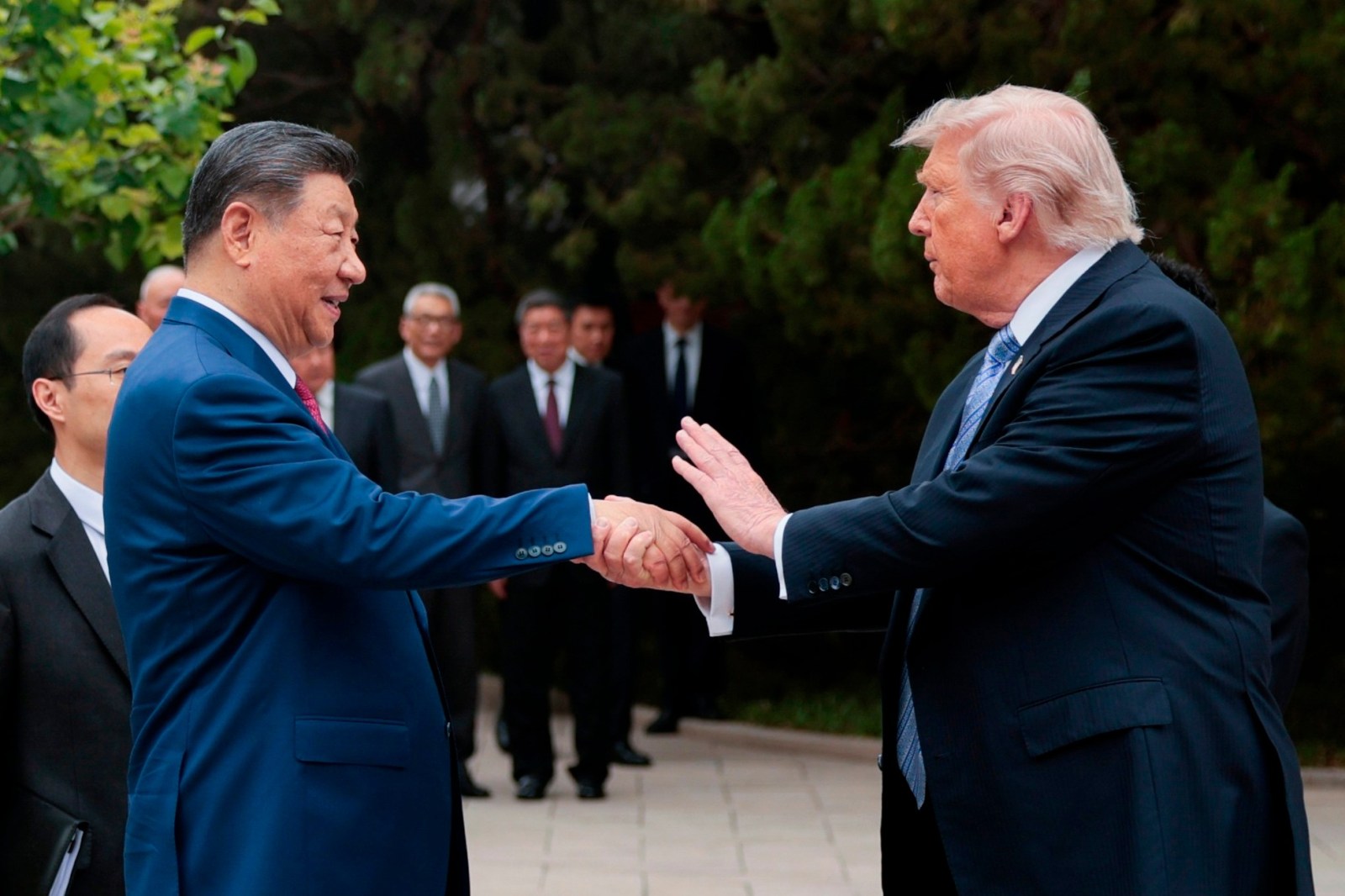
The Office of the U.S. Trade Representative has requested public feedback on which “nonsensitive” goods should be candidates for tariff reductions. This move is part of the United States’ new “Board of Trade” initiative with China. The mechanism is a significant outcome of President Donald Trump’s recent state visit to Beijing from May 13 to 16, where he engaged with Chinese President Xi Jinping.
U.S. Trade Representative Jamieson Greer expressed the administration’s interest in comments from relevant parties. The goal is to find effective methods to encourage mutually beneficial trade with China, while still employing tariffs to protect American economic and national security and promote balanced trade.
The administration aims to collaborate with various stakeholders, including those in manufacturing, fishing, ranching, and small businesses. It seeks to identify trade in non-sensitive goods that can yield positive results.
The deadline set for submitting comments is July 10. Newsweek contacted the USTR and the Chinese embassy for comments.
According to Xin Qiang of Fudan University, this call for public input could reduce trade tensions. He stated to the Global Times that reducing U.S. duties might help ease ongoing disagreements and create a platform for more constructive dialogue in trade discussions. He noted that the trade dispute initially stemmed from U.S. tariff actions.
The Trade Discussions
The Trump-Xi summit resulted in few deliverables on contentious topics such as artificial intelligence and Taiwan. However, trade emerged as a possible area for progress.
The “Board of Trade” is described by the U.S. Trade Representative as a means for officials from both nations to manage trade in non-sensitive goods. The White House indicated that the trade board, along with the “Board of Investment” for investment discussions, are pivotal components of the U.S.-China agreement.
Trade War Background
The trade war initiated by President Trump peaked last year with the imposition of “Liberation Day” duties. These tariffs targeted most countries, with those on Chinese goods reaching as much as 145 percent. Trump labeled these tariffs a response to perceived unfair trade practices and lack of action by Chinese producers of fentanyl precursors.
Efforts to de-escalate trade tensions began in a meeting between Trump and Xi on October 30 in Busan, South Korea. During that meeting, the U.S. reduced tariffs on fentanyl-related Chinese goods from 20 percent to 10 percent. Meanwhile, Beijing agreed to resume imports of U.S. soybeans and relax restrictions on rare earth exports for one year.