
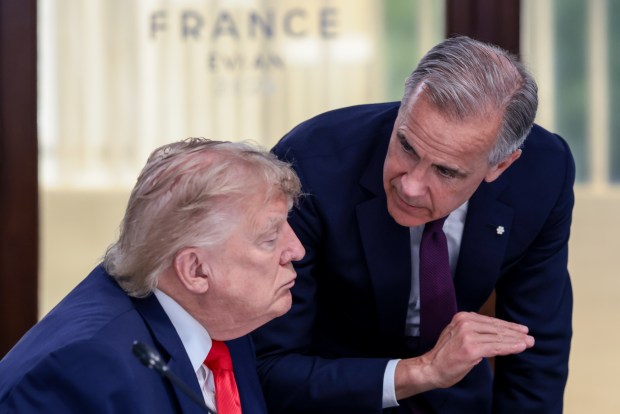
The United States and Canada, traditionally close allies, are now embroiled in a trade dispute. President Donald Trump’s administration aimed to rebalance trade relations, citing unfair practices. Key U.S. demands included increased acceptance of American dairy products, the return of U.S. alcohol to Canadian stores, and the removal of retaliatory tariffs imposed by Canada.
Canada, led by Prime Minister Mark Carney, sought suspensions of the U.S.’s planned 50% tariffs and reductions in duties on Canadian raw materials. Negotiations eventually broke down, with both sides blaming each other. U.S. officials accused Canada of late-stage demands, while Carney criticized the U.S. for threatening Canada’s sovereignty.
The dispute escalated to the point where Canada retaliated by announcing tariffs effective September 8. The economic impact is significant, with potential job losses in Canada’s car industry and increased costs for U.S. farmers relying on Canadian resources.
Public sentiment in Canada supports Carney’s firm stance. Many Canadians oppose conceding to U.S. pressure despite possible economic difficulties, viewing Trump unfavorably.
This trade conflict highlights a broader issue in U.S. foreign policy. Trump’s administration frequently employs economic pressure tactics with other countries, often failing to obtain desired outcomes. Examples include failed attempts to influence negotiations over Greenland, Iran, and Brazil, where U.S. strategies did not yield the expected concessions.
The U.S., though a global power, cannot overextend its influence without encountering resistance. The ongoing situation with Canada serves as a reminder of the limitations of coercive diplomacy.