
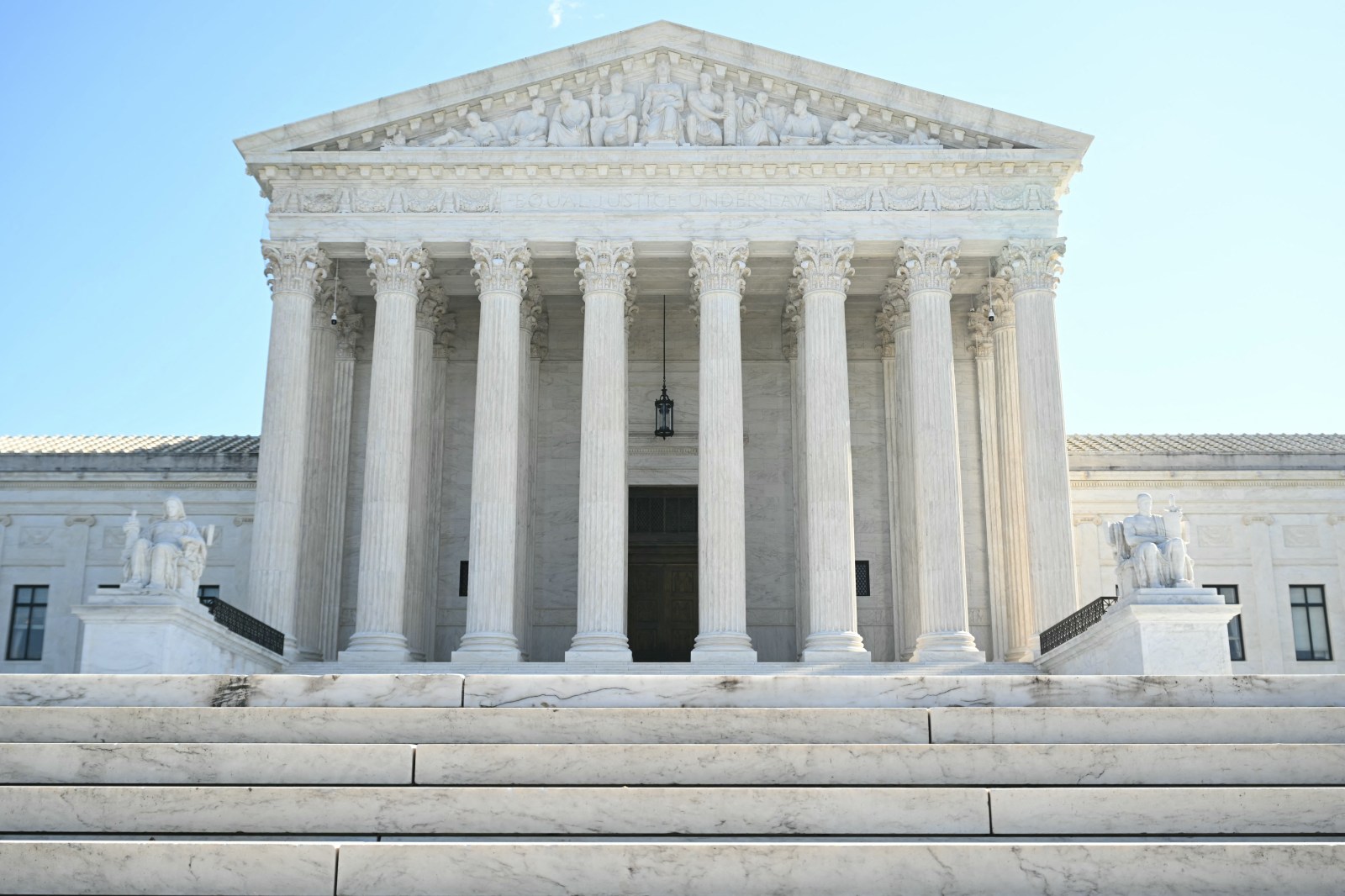
The Supreme Court recently delivered a significant decision favoring the Trump administration in a contentious battle over political advertising rates. In a 7-2 ruling, the Court halted a Fourth Circuit Court order that compelled the Federal Communications Commission (FCC) to decide on a challenged political advertising policy within a two-day period.
The Dispute Background
At the heart of the dispute is the FCC’s policy on the ‘lowest unit charge.’ This rule mandates broadcasters to offer reduced rates for ads during critical election periods. However, an FCC guidance extended these rates not only to candidates but also to political parties and certain joint fundraising committees. Four Democratic candidates, Sherrod Brown, Jon Ossoff, Roy Cooper, and Kristen McDonald Rivet, opposed this guidance, claiming Congress intended these discounts solely for candidates.
Despite their ongoing challenge with the FCC, the candidates sought intervention from the Fourth Circuit. In response, the Fourth Circuit ruled in their favor, overruling the FCC’s guidance. This decision led the FCC to seek intervention from the Supreme Court.
Supreme Court’s Intervention
On September 4, the Supreme Court intervened by pausing the Fourth Circuit’s ruling. The justices emphasized that under the Communications Act, the FCC should finalize the administrative challenge before it gets reviewed in federal court.
Following the Fourth Circuit’s insistence on a quick resolution, the FCC again approached the Supreme Court. The justices criticized the lower court for interfering with the FCC’s function, stating that the FCC should have the freedom to decide its timelines and procedures.
The Commission may exercise its discretion to set its own procedures and schedule for resolving such applications.
The ruling underscored the judiciary’s limited power to intrude on other governmental branches. Two justices, Sonia Sotomayor and Ketanji Brown Jackson, expressed a dissenting opinion by opposing the stay but did not provide a written explanation.
Implications for the Midterms
The latest decision allows the FCC to preserve its current approach to political ad rates. This has major implications as the midterms near, enabling political parties and qualifying committees to benefit from the discounted rates. Republican groups have endorsed the FCC’s stance, whereas the Campaign Legal Center supports the Democratic challengers, arguing that extending discounts could indirectly benefit super PACs.
Importantly, the Supreme Court has not yet addressed whether the FCC’s interpretation of political advertising laws stands right. The focus of the decision was primarily on the procedural rights of the FCC, leaving the bigger question of entitlement to these discounted rates unresolved.