
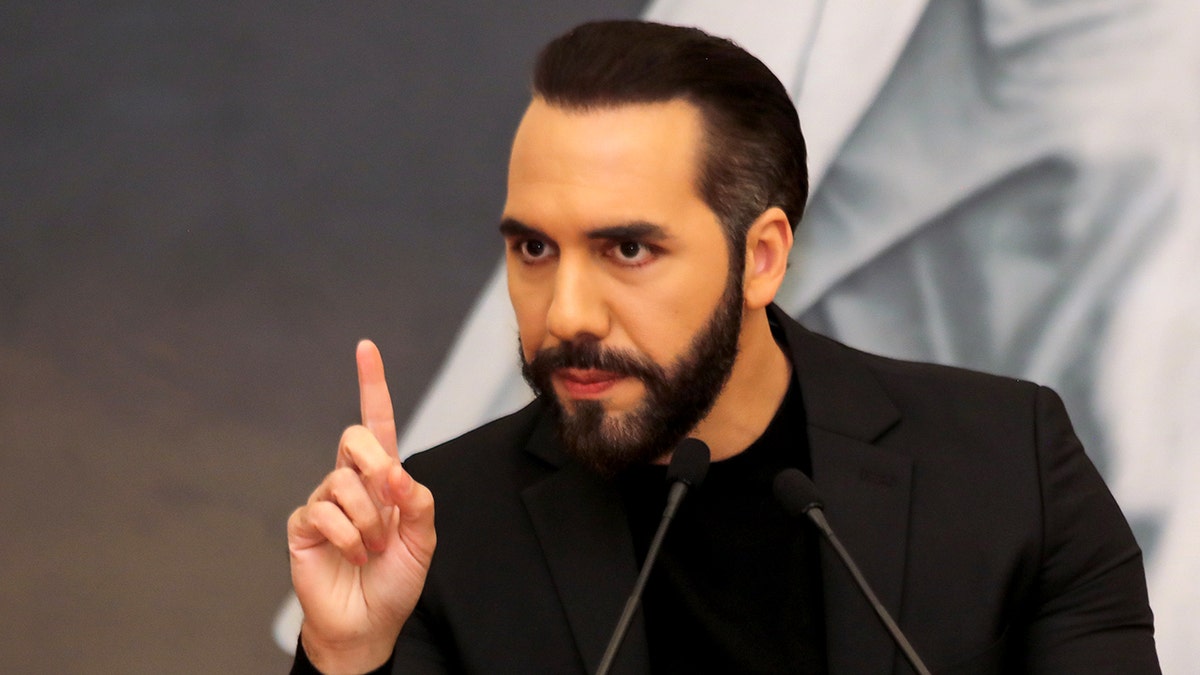
Salvadoran President Nayib Bukele has introduced a plan that may lead to the conditional early release of up to half of those detained under a state of emergency. This measure has resulted in the arrest of more than 90,000 people over four and a half years, aiming to reduce violent gang activity.
The proposal, announced Tuesday night, targets prisoners identified as gang collaborators. This category includes roles such as gang lookouts and those making extortion payments. “There are many people who have indeed committed crimes, but their crime was collaborating with gangs,” Bukele stated. He noted that, historically, gang collaboration was common in El Salvador.
The president suggested that authorities will assess cases to determine those eligible for early release with monitoring. This could affect up to half of those detained since the emergency began in March 2022. This initial measure, prompted by a surge in violence that resulted in over 60 deaths in a single day, was initially set for 30 days but has been extended repeatedly.
Bukele argues the emergency has led to a significant drop in the homicide rate, improving El Salvador’s appeal as a tourist destination. However, it has also suspended key constitutional protections, like the rights to legal counsel and visitation.
Despite the decline in homicides, human rights organizations have criticized the emergency, citing arbitrary arrests and human rights violations. They report over 6,000 complaints during the emergency and at least 575 deaths in custody.
Some argue that freeing prisoners isn’t sufficient compensation for the damage caused by their lengthy detention. Exiled lawyer Bertha Deleón wrote about the need for compensating victims for the physical, mental, and economic harm they suffered.
President Bukele has dismissed criticisms, urging human rights groups to support victims of gang violence instead. He remains committed to maintaining the emergency but aspires to conclude it eventually.
Government data shows a dramatic decrease in El Salvador’s homicide rate, from over 100 murders per 100,000 residents in 2015 to 1.3 per 100,000 in 2025. However, the government has adjusted the definition of homicide to exclude police killings, deaths in prisons, and bodies in unmarked graves.