
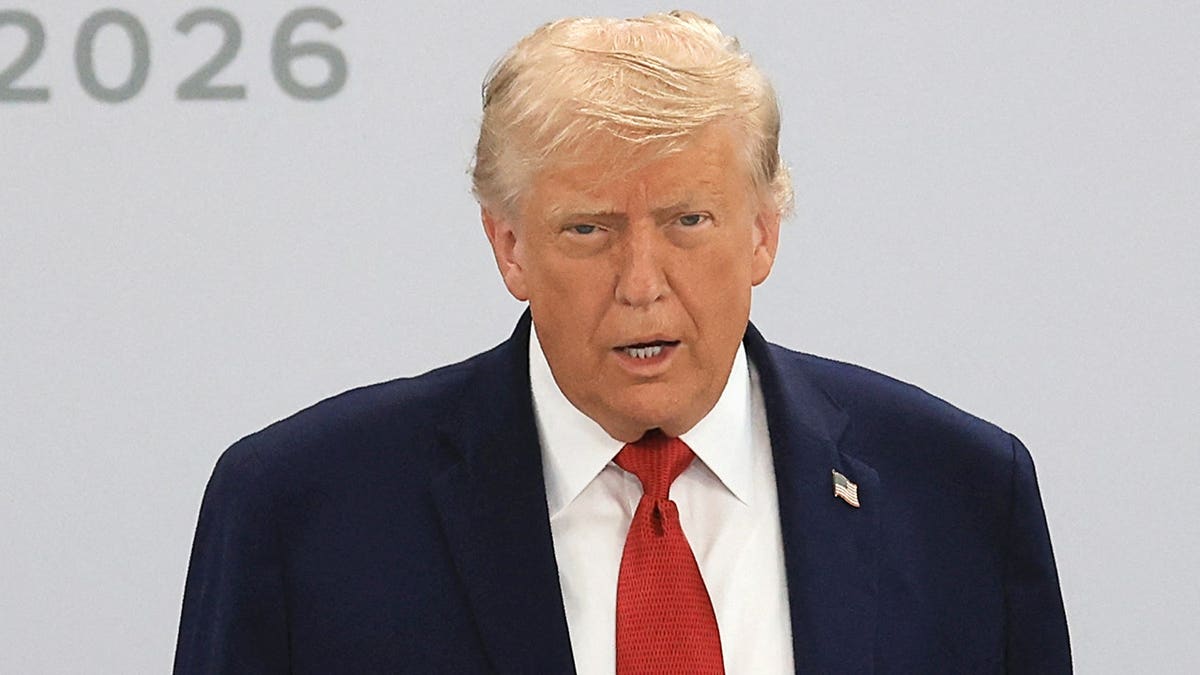
During a bilateral meeting, President Donald Trump referred to his proposed agreement with Iran as ‘a wall to a nuclear weapon.’ Despite praising the deal, he described it as one of the ‘dumbest’ deals made. This sentiment reflects a dichotomy in reactions among his supporters and critics.
The 14-point framework agreement was revealed as establishing an immediate ceasefire between the United States and Iran. Key provisions included reopening the Strait of Hormuz, lifting the U.S. naval blockade, and providing temporary waivers for Iranian oil exports. The deal also granted access to frozen Iranian assets and called for a commitment to negotiate a final agreement within 60 days. It proposed a significant economic reconstruction package worth at least $300 billion. In return, Iran pledged not to pursue nuclear weapons.
Despite these measures, critics argue the framework lacks requirements for Iran to dismantle its nuclear infrastructure or remove enriched uranium stockpiles. The agreement also fails to impose restrictions on Tehran’s ballistic missile program or the disbandment of groups like Hezbollah. Critics say the U.S. concessions outweigh Iran’s commitments.
The deal is absolutely terrible, remarked Will Chamberlain, senior counsel at the Article III Project. He emphasized that the benefits given to Iranians are immediate and substantial.
Conservative voices, such as Mark Levin and AG Hamilton, expressed strong criticism. Levin lamented what he sees as a forfeiture of leverage, while Hamilton scoffed at the promises secured through the deal.
Miles Taylor, a former Department of Homeland Security official, labeled the memorandum pathetic, citing a lack of meaningful accountability for Tehran. Others in the political and media landscape, including Erick Erickson and David Reaboi, likewise viewed the terms unfavorably.
There are political repercussions internally, even among former allies and administration officials. Trump’s initial vice president, Mike Pence, and ex-United Nations ambassador Nikki Haley criticized the similarity to past administrations’ efforts and warned against potential risks in releasing resources to Iran.
Despite vocal opposition, some praised Trump’s diplomatic efforts. Piers Morgan expressed relief at an effort to reduce military tension, albeit with concern over the approach that initially led to the conflict.
While reactions ranged across the spectrum, the announcement stirred significant debate on the ramifications and efficacy of the proposed deal.