
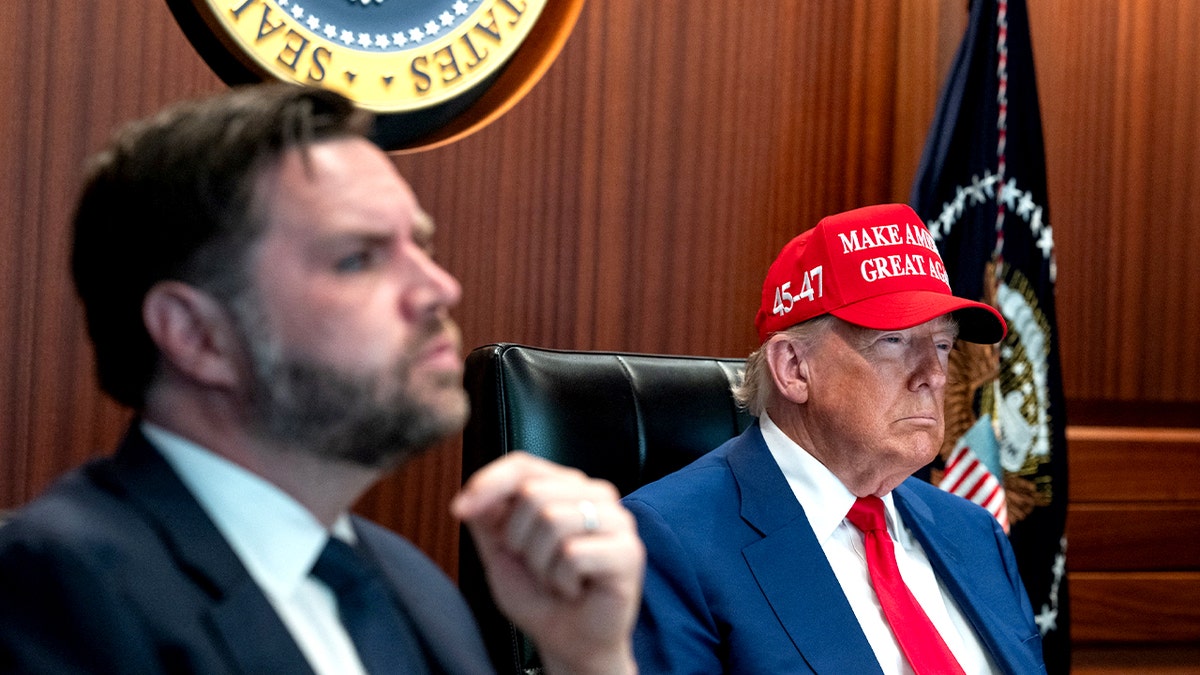
The G7 Summit saw President Donald Trump reveal details of a new peace agreement with Iran. This deal warns of serious consequences if Iran fails to adhere to its nuclear commitments. Vice President JD Vance shared insights into the agreement, stressing that Iran will not receive funds from the United States.
Vance highlighted the weakened state of Iran’s military and industrial strength. He pointed out that the country is unable to develop or acquire nuclear weapons, marking a significant achievement in the negotiations.
There have been comparisons with President Barack Obama’s 2015 nuclear deal. Critics noted that the new agreement’s benefits for Iran mirror that of the previous Joint Comprehensive Plan of Action (JCPOA). However, Vance argued that the comparisons are based on misunderstandings, noting the reversal of the dynamic seen in the Obama deal.
Under the new terms, Iran must first comply with nuclear restrictions to receive any economic benefits. This change shifts the responsibility onto Iran to transform itself before gaining rewards. Vance mentioned that compliance could also open economic opportunities across the Middle East for Iran.
The United States wins either way,Vance stated on The Five.
Host Jesse Watters compared the deal to the policies of Obama and former Sen. John Kerry, asserting that it stands in opposition to them. Both he and Vance emphasized the destruction of much of Iran’s military capabilities, which decreases potential threats.
During the Obama administration, language similar to the current deal was used to stress the importance of testing Iran’s compliance with peaceful measures. The notion that a future U.S. president would have stronger leverage if Iran violated the agreement was also echoed in past discussions.
Critics remain skeptical, especially given Trump’s previous criticism of the JCPOA as providing economic relief for insufficient concessions. Senator Mark Kelly voiced doubt over the new agreement, suggesting similarities with deals Trump previously opposed.
Behnam Ben Taleblu, an Iranian security expert, cautioned about any agreement with Iran. He stressed that success would depend on ensuring that benefits outweigh what is given up. The focus on avoiding the use of American money underscores the administration’s approach with Iran.
There are discussions on the necessity of public understanding regarding the implications of any Iran deal, especially in the face of potential economic consequences, such as fluctuating prices.
The agreed memorandum includes waivers for Iranian oil exports and outlines a $300 billion framework for economic development. Officials made it clear that oil waivers stand as the primary concession Iran would receive before a final agreement within a 60-day timeframe.
Despite skepticism, there remains a hope that the agreement could lead to a lasting resolution with Iran while maintaining a strategic advantage for the United States.