
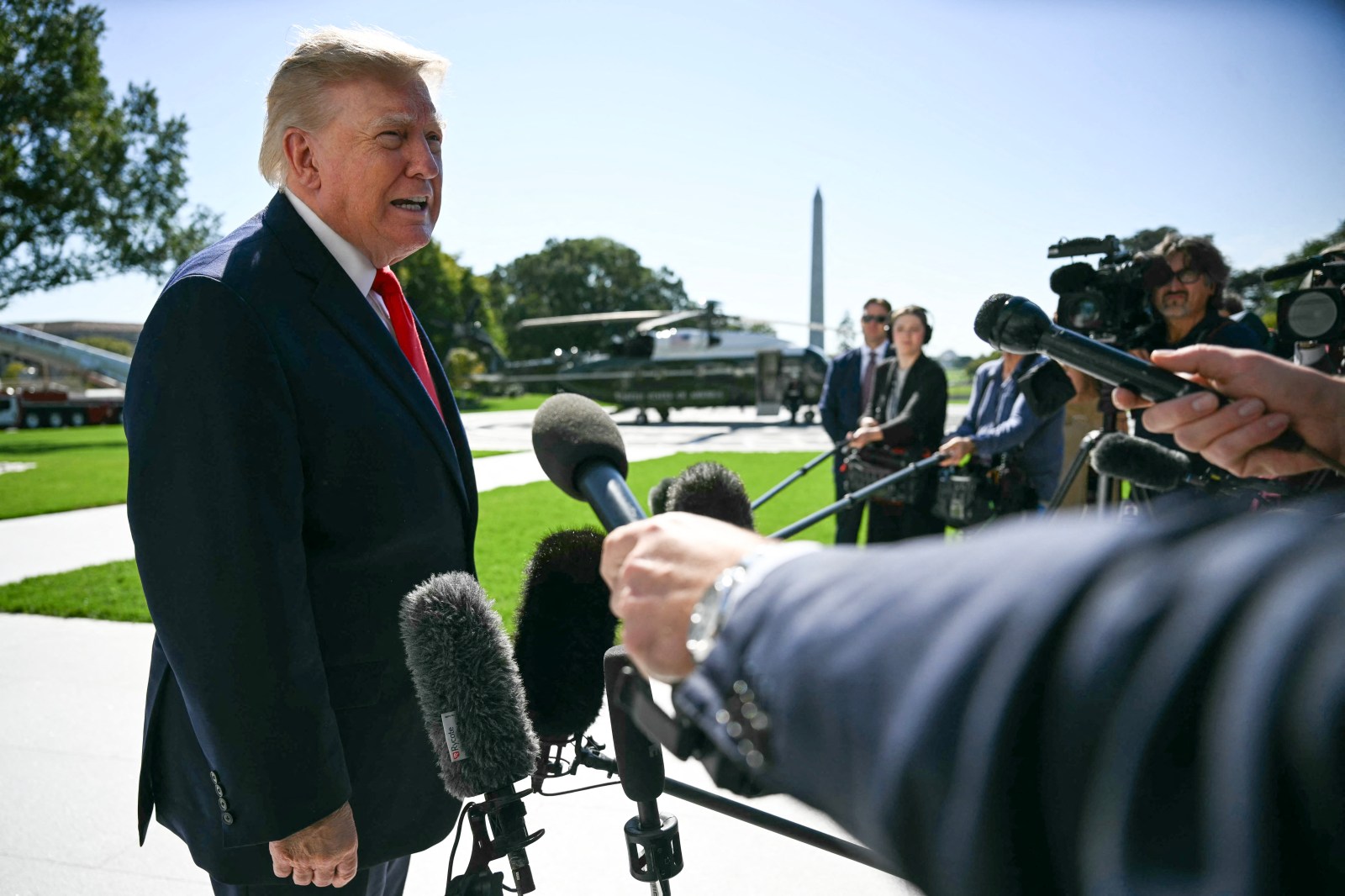
President Donald Trump faces criticism from Republican lawmakers for waiving measures in a Russia sanctions law signed last month. This move has raised concerns about weakening pressure on Moscow. Trump signed an executive order waiving these sanctions and tariffs, aiming to pressure Russia to end its war in Ukraine, which began in February 2022.
Lawmakers from both parties, along with Ukrainian President Volodymyr Zelensky, criticized the decision. A senior Russian official praised it. Republican Senator Thom Tillis called the decision irresponsible. Tillis questioned the President’s understanding of enforcing a law passed overwhelmingly by the Senate. He highlighted the severity of capitulating to a Russian leader guilty of aggression.
Representative Don Bacon echoed concerns on social media, contending the President’s actions could prolong the conflict rather than resolve it. The sanctions law, named after Senator Lindsey Graham, aimed to intensify pressure on Russia by targeting officials, banks, and oil transport networks.
Senator John Cornyn expressed disapproval on social media, suggesting Graham would be dismayed by the decision. Republican Oklahoma Governor Kevin Stitt warned in an interview that the proposal could extend the war in Ukraine without lowering fuel prices effectively.
White House spokeswoman Taylor Rogers defended Trump’s strategy, citing successful negotiations to supply diesel globally and relieve price pressures. She emphasized the priority of lowering costs for American farmers and truckers while encouraging both Russia and Ukraine to cease refineries strikes.
Newsweek reached out to the White House for further insight into the decision.
A senior adviser to Nevada GOP chairman Michael McDonald described Trump’s decision as part of broader efforts to reduce fuel costs and end the Ukraine conflict. He criticized other Republicans for opposing the President, suggesting that negotiations could be encouraged by the decision.
What Trump’s Russia Sanctions Order Entails
Trump signed the Lindsey O. Graham Sanctioning Russia and Iran Act into law on September 18. The latest executive order waives certain sanctions and tariffs authorized under this legislation. The order explains a waiver in the national interests of the U.S., intending to delay automatically imposed tariffs.
The law authorized significant tariffs on Russian goods and provisions for heightened tariffs on oil and natural gas importers. The President stated his close collaboration with Russia and Ukraine to resolve the conflict, reiterating the desire to stop the ongoing death toll.
Russia and Ukraine’s Reactions
Zelensky criticized the waiver, asserting it neglected effective measures for pressuring Moscow. Overnight Russian attacks had targeted Ukrainian energy facilities, causing casualties. A Russian envoy praised Trump’s waiver as an important moment.
The waiver heightened tensions between Washington and Kyiv over the Trump administration’s actions toward Russia. Efforts to increase energy supplies further complicated the situation.
Democratic Condemnation
Senate Minority Leader Chuck Schumer dismissed the executive order as a gift to Putin. He accused Trump of undermining America First principles by exempting Russia from sanctions.
Senator Richard Blumenthal condemned the decision, accusing Trump of siding with Moscow against U.S. interests and allies. He described the waivers as irrelevant to national security.
Background on Russian Diesel Deal
Trump’s decision followed a diesel supply agreement with Putin to reduce energy prices. Lawmakers feared easing restrictions on Russian energy could fund its ongoing war. A bipartisan group of senators urged Trump to rescind the diesel agreement, highlighting its potential damage to American interests. The executive order did not directly link the diesel deal to the waiver.