
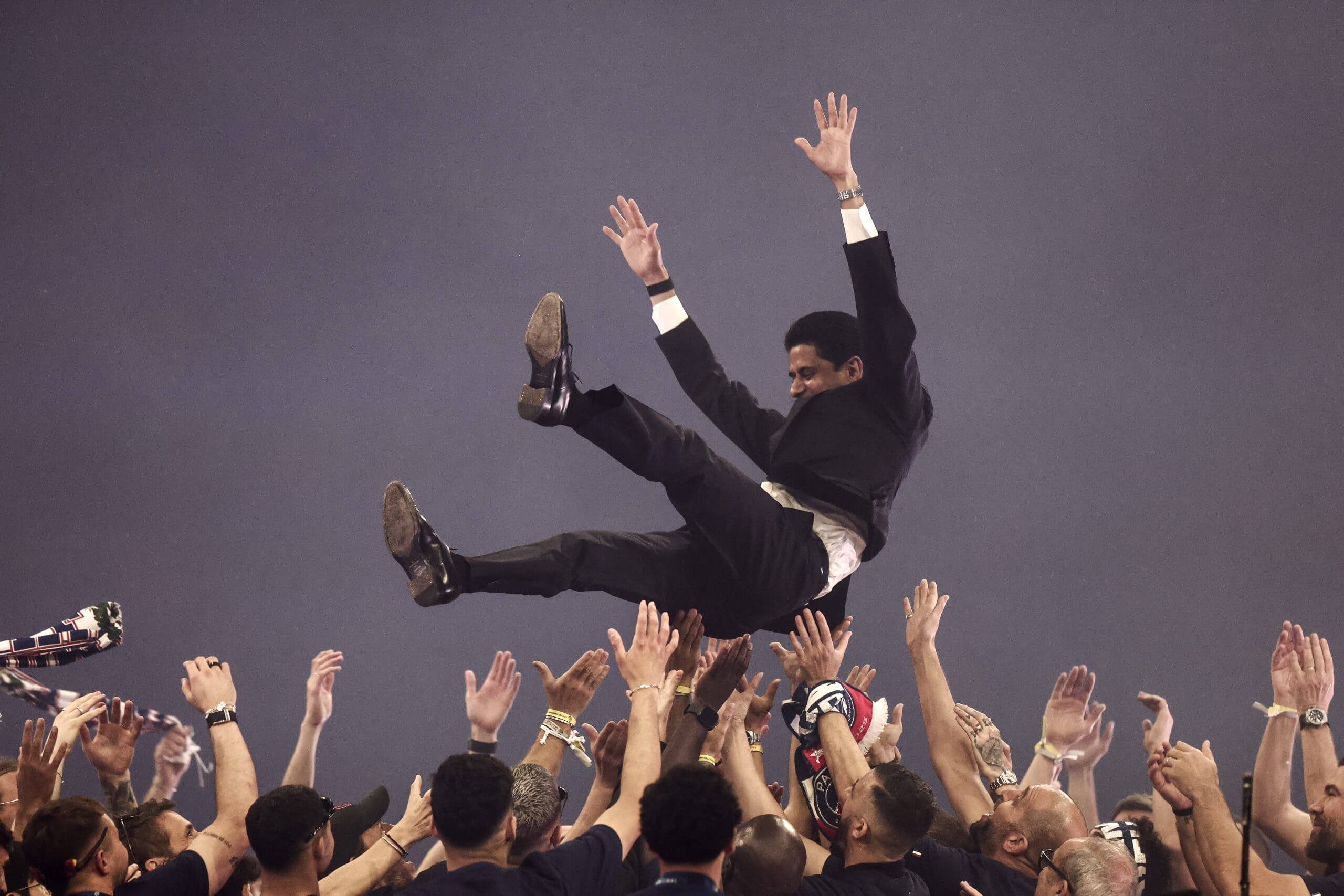
Paris Saint-Germain (PSG) has quickly ascended to the pinnacle of European football, not only for their skillful play but also for their entertaining style. Their current roster boasts numerous standout players. Full-backs possess the attacking flair often seen in wingers, and a midfield warm-up could compete with many matches in terms of entertainment. Ousmane Dembele has evolved from an injury-prone talent into a Ballon d’Or-winning striker. Desire Doue combines speed, skill, and intelligence, thrilling fans with each move. Bradley Barcola’s capabilities would make him a starter for many top teams, yet here he sometimes sits on the bench. Khvicha Kvaratskhelia enthralls audiences by blending strength, speed, and grace.
Their Champions League performances this season reflect football played at its best. The game is fast-paced and attacking, full of goals, structured yet vulnerable enough to remain engaging. While their style makes them likable, the club’s ownership raises questions.
Qatar Sports Investments purchased PSG in 2011, a year after Qatar was named the host for the 2022 World Cup.
Motives behind this acquisition range from sportswashing to geopolitical influence. Regardless of the term used, the goal remains the same: using a once underperforming club to advance Qatar’s interests.
In footballing terms, this strategy has succeeded. PSG has won 12 out of the last 14 French titles and lifted the Champions League trophy last season. The financial aspect has also flourished, transforming a €70 million acquisition into a club valued at €4.25 billion as of Arctos’s investment in 2023.
Initially, PSG’s focus centered around building a brand more than a football powerhouse. Nasser Al-Khelaifi, PSG’s chairman, prioritized branding in his grand strategy. The club spotlighted famous players for their appeal rather than team coherence, aligning themselves with Nike’s Jordan brand, and courting celebrities to boost visibility. Expanding their retail presence worldwide, including opening a store in London, underscored their global ambitions.
Before a Champions League victory, PSG balanced the quest for the trophy with expanding their brand footprint. Al-Khelaifi might now highlight different achievements rather than retail growth. Their player recruitment evolved from signing past-their-prime stars like Zlatan Ibrahimovic and David Beckham to acquiring legendary figures Neymar, Kylian Mbappe, and Lionel Messi. More recently, the focus shifted to forming a cohesive team, bringing in players like Dembele and Kvaratskhelia.
The long-term aim is to cultivate a team from their youth academy or predominantly French players, an objective yet to be fully realized. Still, the current squad plays an exciting style of football, rewarding fans with their dynamism.
PSG’s success has raised Qatar’s global profile. Yet this awareness comes with increased scrutiny over human rights issues affecting women, the LGBTQI community, and freedom of expression. These highlight the complex legacy of Qatar’s involvement in football.
The ownership of football clubs by states presents a moral quandary. While PSG dazzles with on-field performances, skepticism remains regarding the motivations behind their ownership model. State-owned entities’ involvement in sports raises ethical considerations that fans must navigate.
The dilemma isn’t exclusive to PSG; other state-linked clubs face similar scrutiny. Whether supporting Manchester City under Abu Dhabi or Newcastle United after the Saudi takeover, fans weigh the allure of success against these deeper concerns. As PSG captivates audiences worldwide, reflecting on the broader implications of state ownership in football becomes vital.