
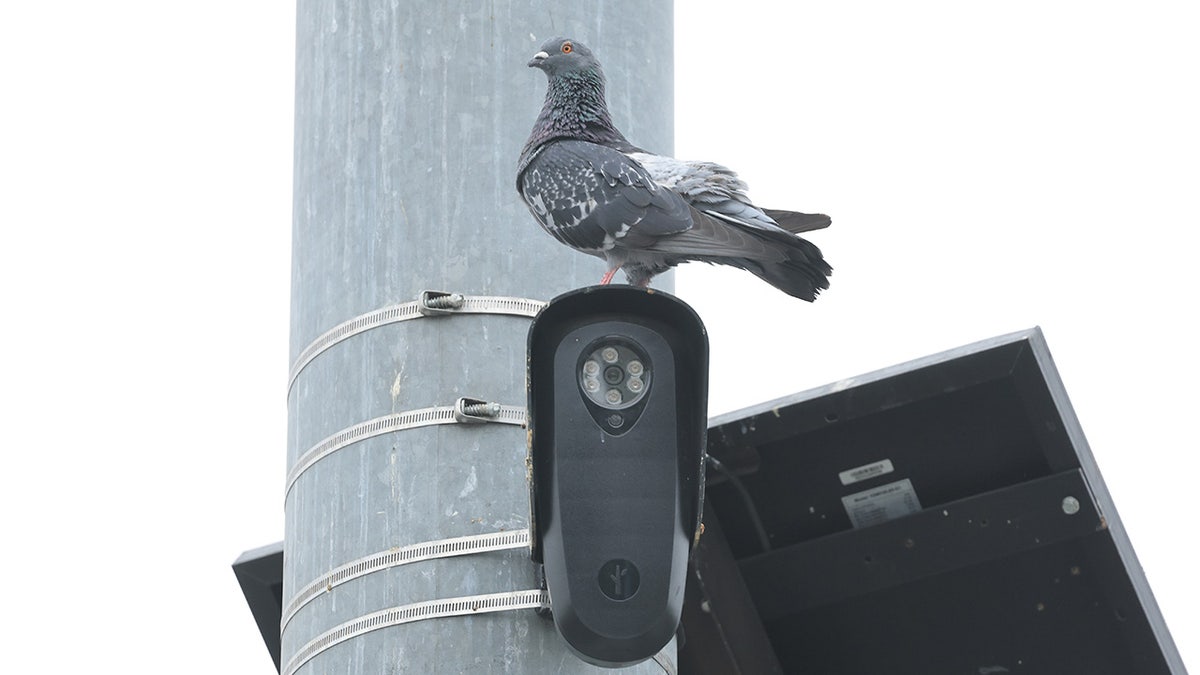
A new aspect of the national privacy debate is emerging as automatic license plate reader (ALPR) companies face increasing scrutiny. These devices, encountered by millions daily, raise questions of privacy in the face of advanced artificial intelligence (AI) capabilities.
ALPRs automatically collect data on public roads without drivers’ consent. Lawmakers in Washington have voiced concern over AI’s role in expanding what these devices can learn about drivers. Flock Safety, a company providing such technology, is at the center of the controversy.
There’s cameras everywhere, but the ability to monitor citizens’ movements raises issues. We’re not an Orwellian society; Americans have rights,said Rep. Greg Steube, R-Fla.
Recent misuse of Flock technology came to light when a Sarasota police officer was fired and arrested for persistently spying on a specific license plate. Rep. Keith Self, R-Texas, highlighted how AI advancements now allow these devices to perform facial recognition and observe in-car activities, extending beyond simple license plate reading.
Progressive Rep. Delia Ramirez, D-Ill., criticized Flock for mass surveillance practices, calling for legislative action to curb these technologies. Her stance was echoed in protests and political campaigns, emphasizing bipartisan concerns over privacy.
Some, like Will Lawrence, a Democratic House candidate from Michigan, staunchly oppose such surveillance technologies, advocating for strong limits to protect civil liberties. Meanwhile, the legislative push gathers momentum with lawmakers, including Reps. Steube and Self, drafting bills to address the issue.
Yet, ALPRs have proven beneficial in several instances. Flock Safety’s CEO Garrett Langley pointed out instances where their technology helped police recover missing children. Langley advocated setting legal safeguards rather than an outright ban, comparing it to regulating vehicle safety rather than banning cars.
Supporters argue that the technology significantly aids in crime prevention. Rafael Mangual of the Manhattan Institute emphasized its positive impact outweighs the few misuse cases, likening it to justified police armament despite occasional abuses.
The National Fraternal Order of Police underscored the importance of regulation to prevent abuse while maximizing public safety benefits. Caution was advised against making policies prematurely during election years.
Evaluating the risks and benefits of ALPR technology is crucial to balancing law enforcement utility and protecting citizens’ privacy rights.