
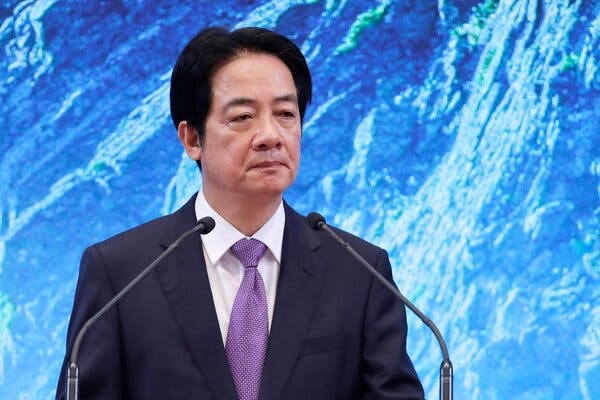
The spokeswoman for Taiwan’s President, Lai Ching-te, has accused Beijing of using baseless excuses to penalize journalists. This, she claims, proves China to be a ‘source of instability.’
Recently, Beijing expelled New York Times reporter Vivian Wang. This action followed Mr. Lai’s virtual participation in the Times DealBook summit in New York. Despite not being involved in the summit, Ms. Wang has been targeted due to her sensitive reporting. Her work often highlighted challenges faced by ordinary Chinese citizens under censorship and criticized Beijing’s handling of the pandemic.
Ms. Wang’s expulsion furthers Beijing’s pattern of clamping down on foreign journalists who challenge China’s official narratives. In response to this situation, a Taiwan presidential spokeswoman, Kuo Ya-hui, expressed concern over China’s tactics of pressuring media groups away from engaging Mr. Lai. She highlights that China’s actions threaten press freedom and journalist safety.
Ms. Kuo added that these actions damage China’s international image, revealing it as a ‘troublemaker.’ In contrast, she defended Mr. Lai’s media interactions, seeing them as opportunities to share Taiwan’s democratic perspectives and commitment to regional peace.
The expulsion of Ms. Wang wasn’t an isolated incident. The Trump administration retaliated by revoking a visa for a U.S.-based journalist from Xinhua, China’s state news agency, considered by many as a propaganda tool. It’s noted that the Times didn’t influence this reciprocal expulsion.
China’s efforts to isolate Mr. Lai also involved obstructing his international travel. In April, multiple countries withdrew their airspace permits under alleged pressure from Beijing, forcing Mr. Lai to cancel a planned visit to Eswatini. He eventually managed the trip in May.