
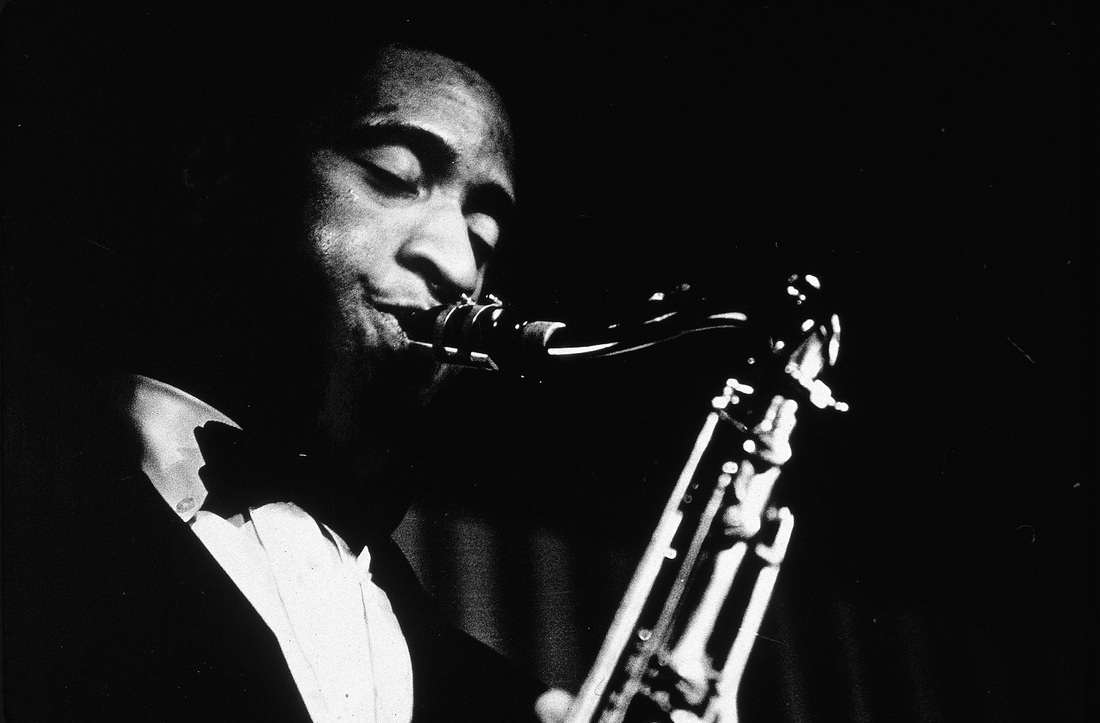
The renowned saxophonist Theodore “Sonny” Rollins has passed away at the age of 95. Rollins, celebrated for his expansive tone and endless improvisation skills, died at his home in Woodstock, N.Y.
Affectionately known as a National Endowment for the Arts Jazz Master, Rollins also received the prestigious Kennedy Center honor and the National Medal of the Arts. He embodied the modern jazz musician, living a life dedicated to his art. “All these prizes are nice, I appreciate them,” he once shared with NPR. “But the real deal is doing it the best you can do it and that’s its own reward.”
Sonny Rollins found his true calling with the tenor saxophone, rising to international acclaim as a leading figure in transforming jazz into a constantly evolving, expressive art form. Despite embracing change, he retained the bluesy entertainment roots of jazz.
Born on September 7, 1930, in New York City, Rollins grew up in Harlem’s Sugar Hill neighborhood. This vibrant community was home to many influential jazz figures such as Jackie McLean, Art Taylor, and Kenny Drew. Rollins was captivated by the innovative jazz styles surrounding him, despite his parents’ apprehension about his musical pursuits.
In the late 1950s, Rollins sought new inspiration and withdrew from the public stage. He famously practiced on the Williamsburg Bridge at night before returning to the jazz scene in 1962 with his album The Bridge, which was hailed as a cultural milestone.
Reflecting on his creative process, Rollins described his music as a reflection of spontaneity. “When I’m playing completely spontaneous, that’s my best work,” he told NPR. He immersed himself in the details of compositions but aimed to let the music flow naturally during performances.
Rollins was not restricted by musical genre. He played calypsos and unaccompanied cadenzas with equal passion. His work spanned various projects, including composing for the film Alfie, collaborating with The Rolling Stones, and recording Stevie Wonder’s Isn’t She Lovely.
Joanne Brackeen, a pianist and friend, emphasized Rollins’ distinctive sound. “He’s got a sound that is him, and that’s rare,” she remarked. Rollins’ playing reflected his personal energy and identity in every note.
Rollins’ musical choices were guided by personal taste rather than commercial pressures. In his later years, he managed his own record label, Doxy Records, while acknowledging the challenges of balancing business and artistry. “The corporate culture is anathema to jazz,” he told NPR. He championed jazz as an art form of freedom, creativity, and continuous change.
Sonny Rollins understood the essence of jazz, continually contributing to its rich tapestry throughout his remarkable life.