
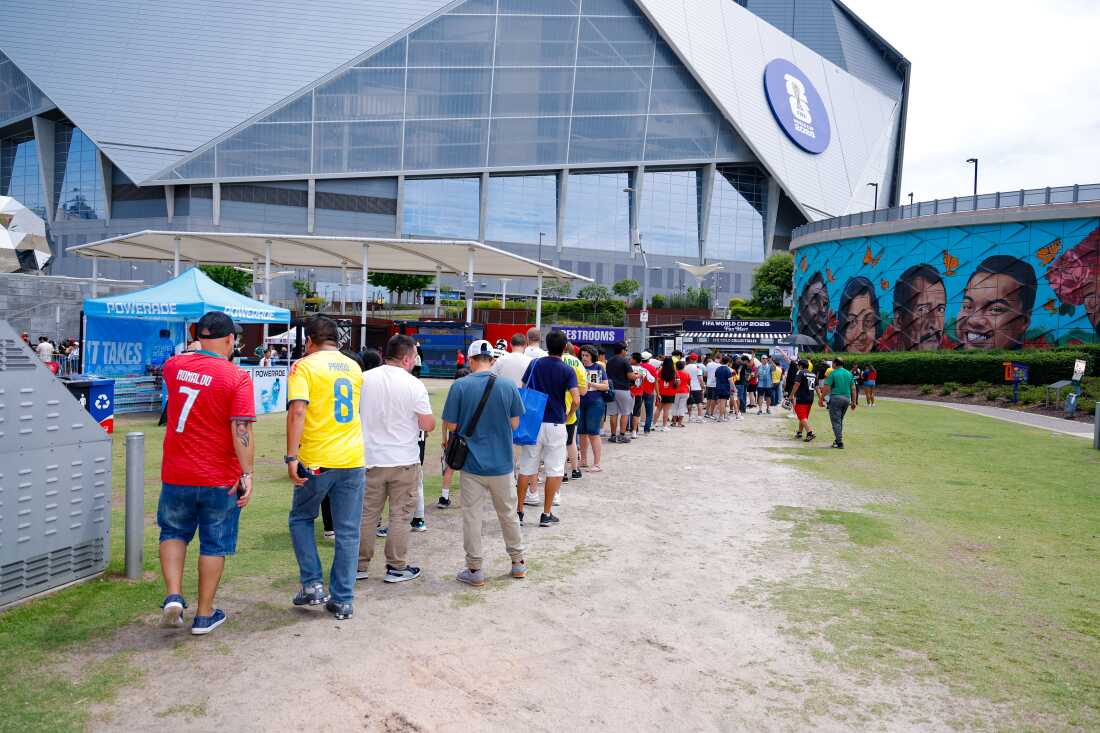
The 2026 FIFA World Cup will take place from June 11 to mid-July across the U.S., Canada, and Mexico. Millions are expected to attend the 104 matches hosted in 16 different cities. As preparations continue, public health officials are focusing on ensuring the health and safety of fans.
Challenges for Host City Health Departments
In the U.S., the need for federal health support remains significant. Reduced federal presence and funding have increased responsibilities for local health departments. Nonetheless, health officials in these host cities assert readiness to tackle challenges associated with large events.
Dr. Marcus Plescia, the district health director for Fulton County, Georgia, emphasizes expecting issues related to weather, health, and behavior. Planning efforts are not new, but require heightened attention for successful outcomes.
Preparations in Various Host Cities
Atlanta, often called ‘Hotlanta’ due to its summer heat, will host eight matches and the Uzbekistani team. Dr. Plescia mentions cooling stations and hydration facilities at fan festivals like the one at Centennial Olympic Park to prevent heat-related injuries. Environmental health workers face substantial tasks in inspecting numerous food vendors daily to ensure food safety, aiming for a hassle-free experience for visitors.
Dallas, hosting the most matches of any city, has prioritized disease surveillance. Dr. Philip Huang notes the expansion of wastewater testing for common threats such as influenza and COVID. Mosquito surveillance has also increased, with testing for West Nile virus, dengue, chikungunya, and Zika due to increased international travel.
Addressing Infections and Other Health Concerns
Health departments anticipate the spread of infections due to dense gatherings. Concerns include sexually transmitted infections and measles due to its contagious nature among the unvaccinated. Dr. Huang also shares preparations for rapid alerts to hospitals and the public in case of outbreaks, with a focus on disseminating health tips in multiple languages.
Preparations for the World Cup Finals
The final matches will happen in New York and New Jersey on July 19. Officials have conducted practice simulations to deal with potential outbreaks and emergencies. Dr. Alister Martin, New York City’s health commissioner, describes set up incident command systems to manage unexpected emergencies throughout the summer.
In Los Angeles, the focus is on risk assessment related to chemical exposures and biological threats. According to Barbara Ferrer, L.A. county health director, staff are sacrificing vacations to manage workload and costs. The experience will prepare L.A. for future events, like the 2027 Super Bowl and 2028 Summer Olympics.
Federal Presence and Support
On the federal level, the Centers for Disease Control and Prevention (CDC) has a muted presence. The current administration’s actions have led to workforce reductions at the CDC, affecting its functions. Dr. Debra Houry notes that federal responses, usually paramount, have been slow. Despite these challenges, local authorities are stepping up, with entities like Georgetown University establishing operations centers to track diseases.
Emily Hilliard from the Department of Health and Human Services assures active coordination with all partners for World Cup 2026. However, Lori Freeman from the National Association of County and City Health Officials mentions concerns over merging public health and emergency response due to lack of federal guidance.