
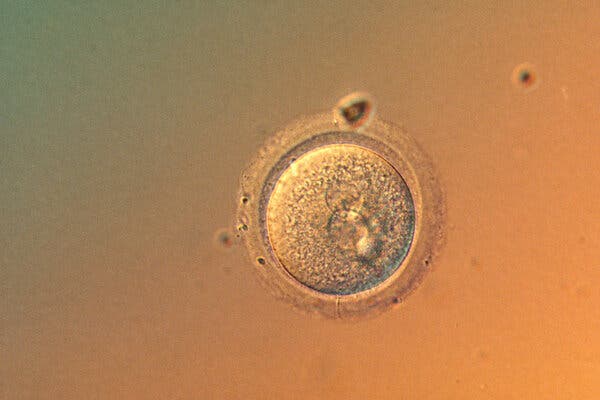
Researchers at Columbia University have demonstrated unprecedented accuracy in editing the DNA of early human embryos. This achievement could potentially enable the engineering of babies with specific characteristics.
Using a newer gene-editing technique, scientists have altered genes influencing LDL cholesterol and hemoglobin levels in the blood. This prospect has sparked a long-standing debate. While it offers the possibility of safely repairing disease-causing mutations in embryos, it also raises ethical concerns over selecting desired traits, a practice akin to eugenics.
Dieter Egli, a geneticist leading the research, emphasized the need for public discussion. “As a scientist, you can provide the data for discussion, but then essentially there you stop and let others take over,” he stated.
The researchers utilized a technique known as base editing. This method allows for precise replacement of individual genetic letters in DNA sequences without the damage associated with the CRISPR technique.
Dr. Egli noted many questions regarding potential harmful side effects remain unanswered. “We’re not saying this is going to be used tomorrow in the clinics,” he clarified.
The team has shared their findings online, though the research is still under review for journal publication.