
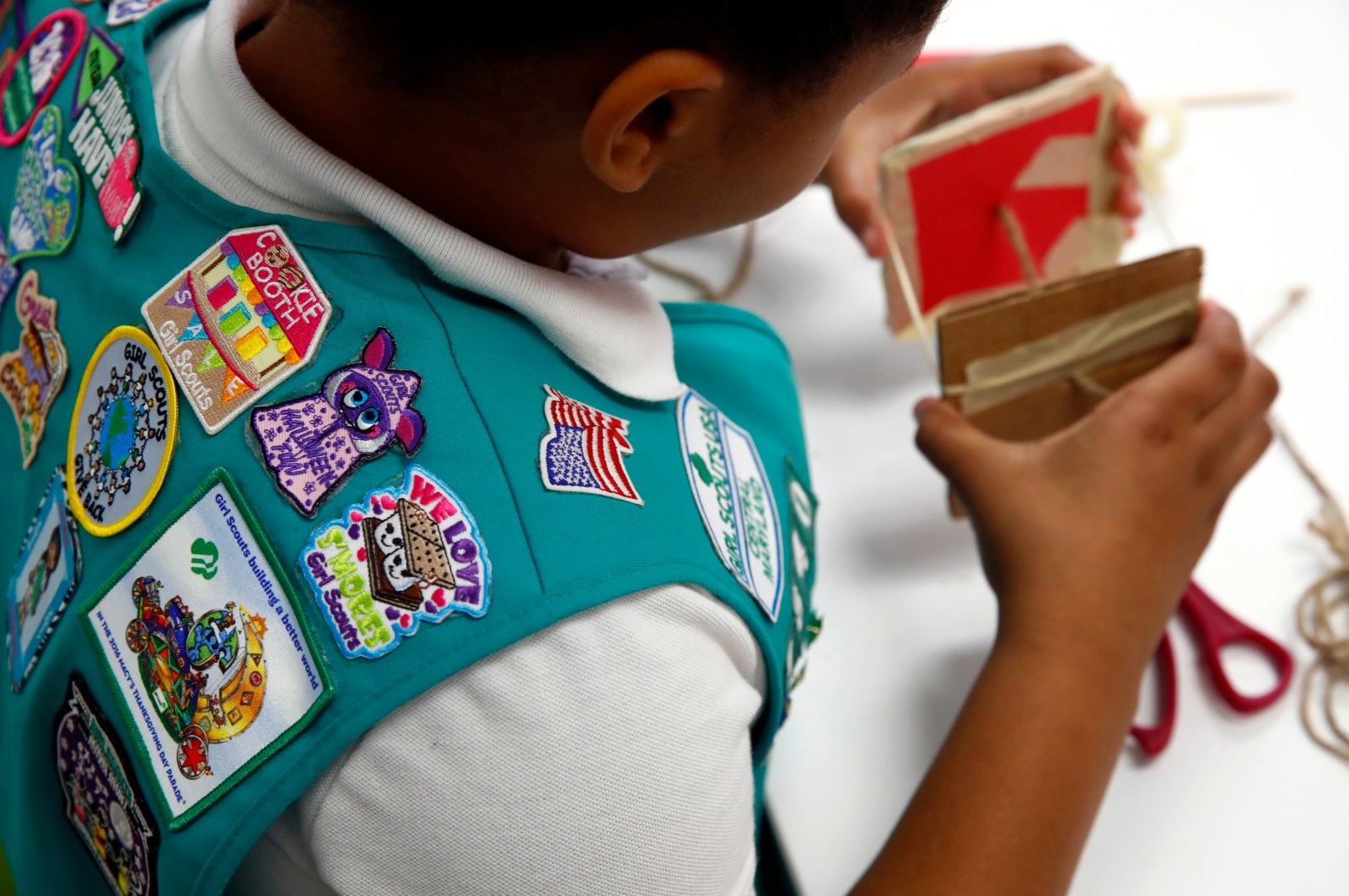
The Girl Scouts of the USA recently defended themselves against online criticism. The controversy began after social media posts addressed the organization’s faith-based Islamic badge programs. Natalie Winters, White House correspondent and War Room co-host, claimed the Girl Scouts offer ‘Muslim badges’ earned through learning about Islamic practices. This includes understanding the pillars of Islam and visits to mosques.
Winters highlighted that mosque-based programs operate in various locations such as Sacramento, Naperville, Long Island, Virginia, Maryland, Brooklyn, and San Diego. These programs allegedly embed prayer, hijab rules, Ramadan practices, Islamic education, and mosque outreach into Girl Scouting. She posted these claims on X, a social media platform.
Girl Scouts RespondThe Girl Scouts stated that misinformation is spreading online regarding their relationship with religion. They clarified that the organization is not religious and does not teach religion. For over a century, they have welcomed girls from every faith and background. The national My Promise, My Faith pin helps girls connect the Girl Scout Law with their own faith. Other faith-based patches are developed by independent organizations, not by the Girl Scouts themselves. They emphasized that Girl Scouts is inclusive for all girls.
Winters, however, continued her criticism, accusing the Girl Scouts of defending the incorporation of Islam into their programs. She argued that Islamist regimes treat women as second-class citizens and stone them to death. She challenged the Girl Scouts to identify any false information in her posts.
The Council on American-Islamic Relations (CAIR) criticized those manufacturing outrage over Muslim participation in scouting programs. Robert S. McCaw, CAIR’s director of Government Affairs, called it an ideological agenda using Muslim youth as sensationalist bait.
Badge Programs Under ScrutinyThe controversy involves programs like the ‘Girl Scouts of the Islamic Faith’ religious recognition awards and patches tied to Islamic organizations. The Islamic Committee on Girl Scouting provides religious recognition awards, including medals, for Muslim Girl Scouts.
Social media highlighted patches and activities related to Ramadan, Hajj, Jumaa, and other Islamic faith and cultural aspects. Requirements for some badges include learning about Islam’s pillars, visiting mosques, or understanding Muslim prayer practices.
Clarifying the Girl Scouts’ RoleIn their response, the Girl Scouts stated that they do not create or run religious recognition programs. These awards are managed by independent faith groups. GSUSA recognizes that members may opt to participate in these programs.
They reinforced that Girl Scouts include members from diverse religious backgrounds, with faith-based recognitions available across many religions, not solely Islam. Participation is voluntary, decided by individual families and troops.
The Broader ContextThis situation reflects ongoing debates about faith-based programming in scouting organizations. Such programs have been offered by external groups for years, allowing scouts from different faiths to explore religious beliefs within scouting activities.
McCaw welcomed the Girl Scouts’ efforts to be inclusive. They support girls of all faiths, including Muslims, who wish to engage in religious programs developed by their communities. The Islamic awards are part of a longstanding, multi-faith framework, not a special exception.
Supporters believe these programs help girls link their scouting with their faith communities. Critics argue some activities may blur cultural education and religious instruction lines. Recent debates on social media have intensified these concerns.