
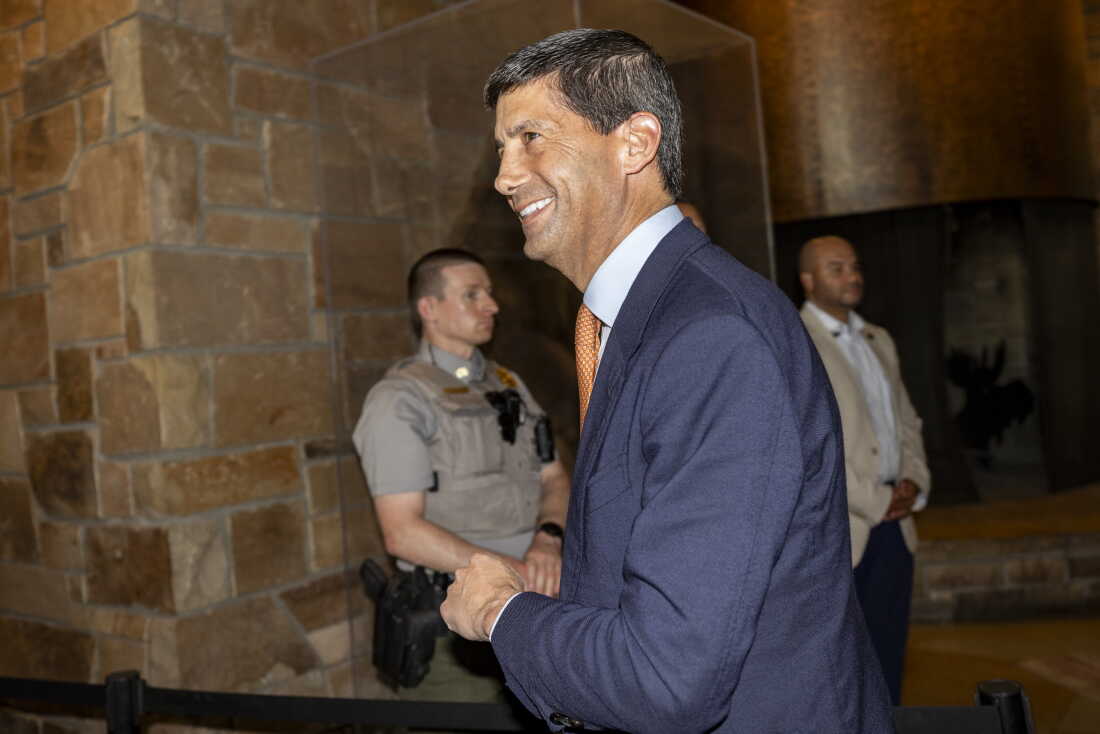
Federal Reserve Chairman Kevin Warsh addressed economists and central bankers at the Jackson Lake Lodge in Wyoming. During his speech, Warsh discussed inflation and hinted at possible interest rate hikes. Investors interpreted his statements as a sign that rates might rise soon.
Warsh highlighted the stability of the labor market, strong investment, and resilient consumer spending. However, he recognized the ongoing issue of rising prices that exceed the central bank’s 2% inflation target. The consumer price index showed a 3.4% increase over the year ending in July, while the Fed’s preferred measure placed inflation at 3.7% for the same period.
“None of these measures are perfect,” Warsh stated. “But they all tell a similar story: Inflation is running above our 2% target. So the Fed’s predominant focus right now should be on prices.”
Before Warsh’s address, investors assessed the likelihood of a September rate hike at roughly one in three. Following his speech, that probability increased to over 50%. Warsh emphasized the importance of a ‘quieter Fed’ but remains cautious about predicting future interest rates to avoid influencing market signals.
“A quieter Fed, more purposeful in its communications, is better able to meet its objectives,” Warsh said. He reflected on General Chuck Yeager’s words, “At the moment of truth, there are either reasons or results,” to underline the need for accountability.
Warsh also delved into the economic potential of artificial intelligence. He described AI as a pivotal moment in history with potential to boost production and lower costs. Yet, he acknowledged uncertainties about who would benefit and the impact on workers. The investment in AI data centers is contributing to inflation through increased construction and chip costs.
An AI-focused task force has been established to provide guidance to the Fed, though Warsh clarified this work will not influence short-term interest rate decisions. He expressed confidence that current intellectual investments will better equip the Fed for future policy challenges.