
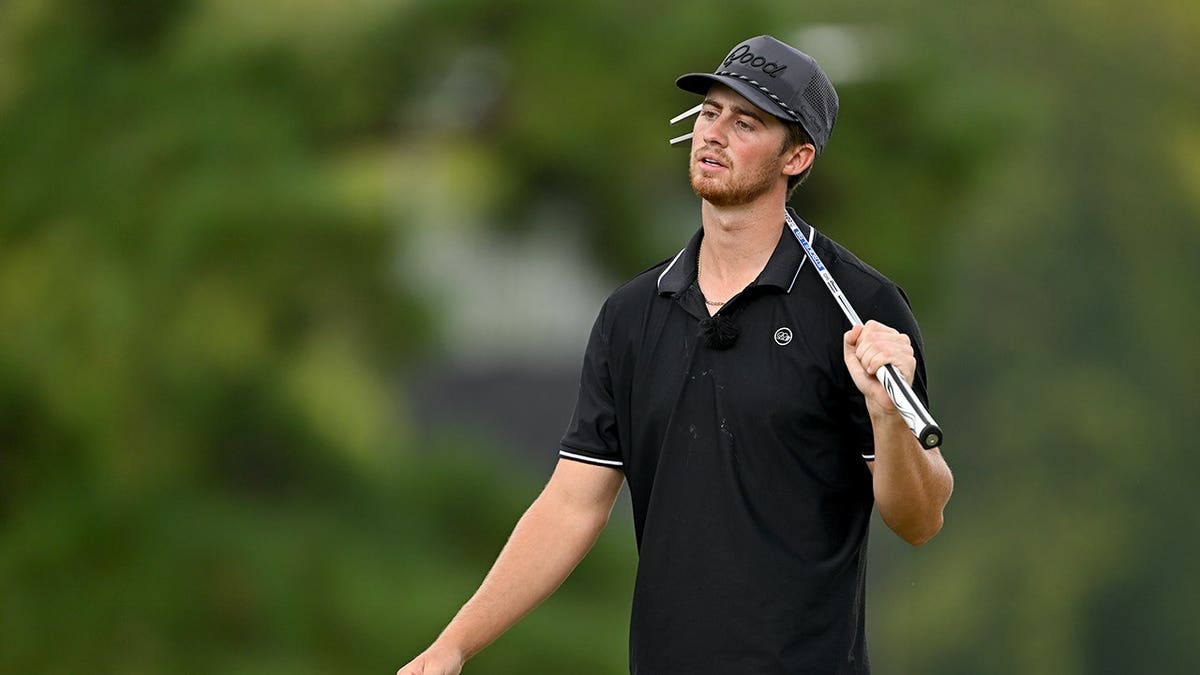
Recently, Good Good Golf has gained recognition among young golf enthusiasts. The YouTube channel formed partnerships with major brands, including Callaway Golf, to create branded equipment. Their apparel is available at WorldWide Golf Shops, Target, and other retailers.
A controversy erupted with an ad promoting a branded Callaway driver. The ad mimicked the film “Obsession” but was poorly executed. In the ad, Garrett Clark, one of Good Good’s founders, was depicted pushing a woman, Alexis Miestowski, saying, “do not touch my new driver.” Fans criticized the depiction, leading to the removal of the video.
Good Good released a statement acknowledging the misalignment with their brand values and apologized, emphasizing their mission to make golf inclusive.
“We posted a video to our channels that ultimately depicted actions that are not aligned with our values as a brand,” the statement said. “We have since taken that content down. And sincerely apologize.”
Initially, Callaway allowed Good Good to bear the blame but later admitted approving the ad’s release. The backlash led to delays in the new show “Big Break X Good Good” on Golf Channel after Golf Galaxy requested sponsor removal. Additionally, Front Office Sports reported that several retailers, including Dick’s Sporting Goods and Golf Galaxy, removed Good Good’s merchandise.
PGA Tour CEO Brian Rolapp expressed disappointment with Good Good’s handling of the backlash, noting their initial defensive response. Rolapp mentioned that ongoing conversations could improve the situation, calling it “fluid.”
The response from companies included withdrawing products and canceling sponsorships, creating a performative reaction backlash. Garrett Clark addressed the issue, apologizing and explaining their intentions, emphasizing no actual violence occurred.
Criticism is warranted, but should Good Good face permanent exclusion? Many believe the repercussions are extreme, considering the brand’s influence in attracting younger audiences to golf.
The differential treatment between Callaway and Good Good highlights inconsistencies; Callaway faced no product removal, pointing to a possible performative aspect in the retail responses.
While mistakes were made, the need for balanced responses, avoiding “cancel culture” extremes, is clear.