
Modern college football has its flaws, but it’s never dull. This offseason has been rife with debates about strength of schedule, SEC and Big Ten dynamics, federal involvement in college sports, and NIL (name, image, and likeness) concerns. Now, as the season approaches, another issue has emerged.
The NCAA’s decision to grant a fifth year of eligibility has led to a legal wrangle. Players who moved to the NFL after ending their college careers are potentially allowed to return to college football. A ruling by a Colorado judge has opened avenues for this possibility, reshaping the sport.
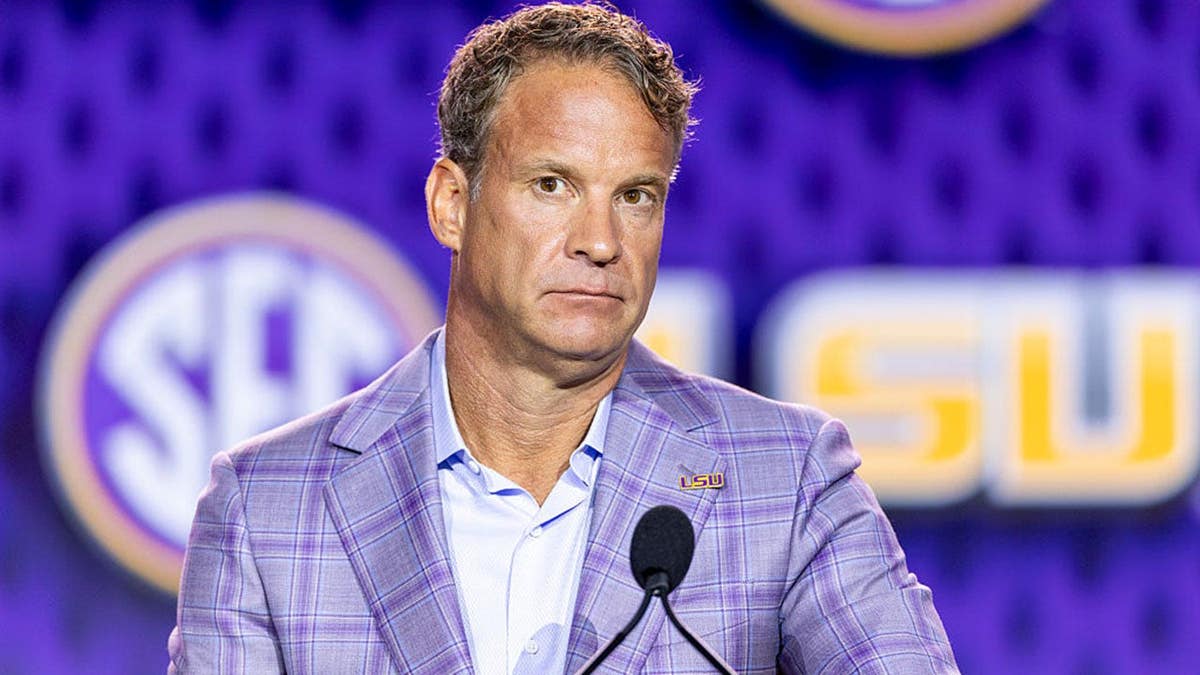
Coaches quickly saw opportunities to strengthen their teams. LSU Tigers head coach Lane Kiffin is spearheading moves to integrate these seasoned players. Discussions have arisen about the fairness of allowing NFL-signed players back into college teams. Prominent voices like Ohio State Buckeyes coach Ryan Day have expressed concern.
“I’ve stopped saying this is crazy,” Day mentioned regarding current roster uncertainties. He stressed the impact of bringing NFL-level players back and called for conferences to set clear guidelines. Discussions are ongoing with key figures like Tony Petitti to find solutions.
The situation presents a challenge. Teams face uncertainties about roster stability right before the season kicks off, leading to competitive imbalances. Day, acknowledging these issues, stated the teams might have to “consider it” to remain competitive.
The NCAA’s decision now requires players and schools to navigate this complex terrain. Programs are contemplating adjustments to maintain competitive parity. Falling behind in recruitment or inefficient use of resources like the transfer portal and NIL could lead to disadvantages.
Despite the strangeness of allowing former NFL players back into collegiate play, schools like LSU are moving forward. This decision highlights a rapidly changing college football landscape. Strong leadership is critical to navigate these turbulent waters.