
The House Oversight Committee will conduct a hearing concerning claims that the Smithsonian Institution’s exhibits attempt to politically rewrite American history. This scrutiny follows allegations in a White House report suggesting that the National Museum of American History disparages aspects of U.S. history. The committee’s focus includes oversight of federal funding used by the museum.
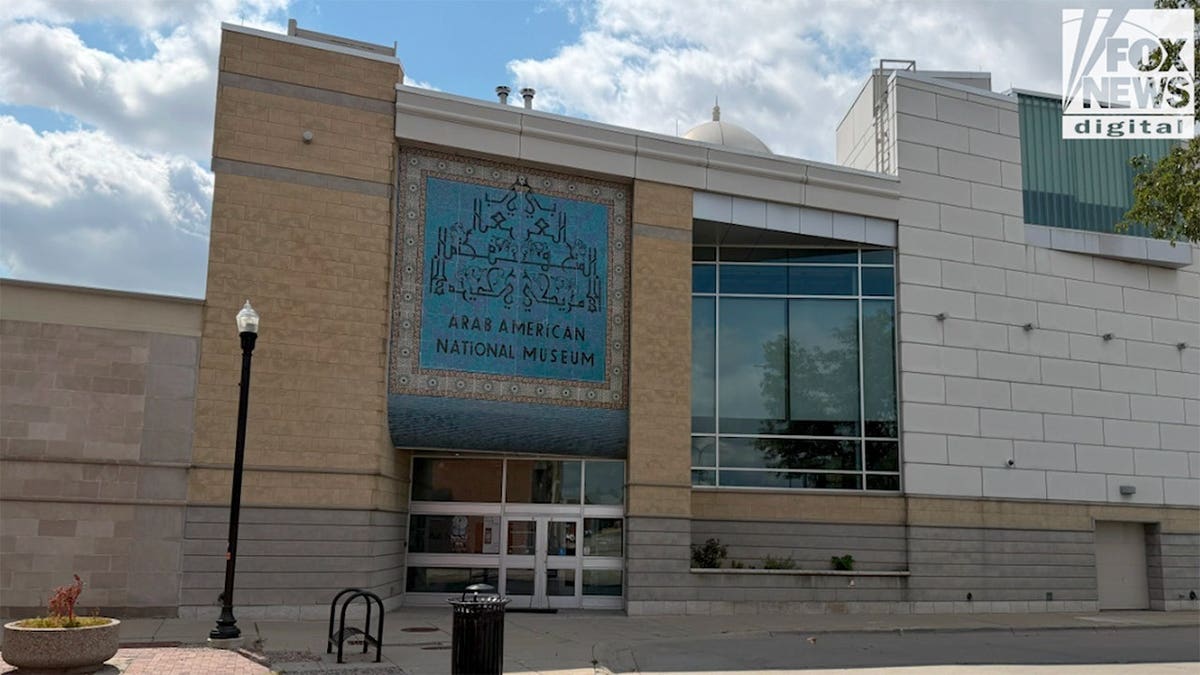
In Dearborn, Michigan, the Arab American National Museum (AANM), affiliated with the Smithsonian, has come under examination. The museum’s 9/11 exhibits reportedly highlight discrimination and governmental reactions post-attacks, rather than focusing solely on the lives lost that day. The museum states that Arab Americans endured both direct impacts of 9/11 and further discrimination by U.S. authorities.
Since its inception, the AANM has consistently hosted programs addressing what it terms as discriminatory U.S. responses to the 9/11 attacks. A recent visit by Fox News Digital to the museum revealed exhibits and a gift shop that reflects these perspectives, backed by review of records showing receipt of substantial federal grants from the National Endowment for the Humanities.
The Smithsonian Institution itself has been under heightened scrutiny from conservative lawmakers, concerned about possible political bias in its exhibitions. These critiques also intersect with broader debates about federal funding and museum governance.
The Museum’s Exhibits and Programming
One exhibit placard at the AANM critiques the post-9/11 detention of immigrants, pointing out that few charges were linked to terrorism. It asserts Arab Americans were wrongly blamed and not implicated in the attacks. The placard also mentions harsher immigration measures and deportations for minor violations after 9/11.
Public opinion at the time of the attacks was complex. President George W. Bush notably requested that Americans not blame Muslims for the events. Polls show an increase in favorable views of Muslim Americans following 9/11. Nonetheless, the AANM’s programming on each 9/11 anniversary often critiques American reactions and policies affecting Arab and Muslim communities.
For instance, their annual town hall meetings, supported by grants such as those from the National Endowment for the Arts, discuss profiling and systemic biases under the guise of national security concerns.
Controversies and External Perceptions
The AANM, founded partly in response to heightened scrutiny post-9/11, has received significant federal support including from the Department of Housing and Urban Development. Additional funding came from the State Department, as documented in the museum’s annual reports.
Controversy extends to some of the museum’s displays related to Middle Eastern conflicts. Exhibits have criticized Israeli policies, alleging human rights violations. Art installations address issues like occupation and rights of Palestinians. Critics argue these views may align with contentious and biased narratives.
Some exhibit sources, like If Americans Knew, have faced allegations of bias, which complicates their contribution to the museum’s message. Similar scrutiny extends to Defense of Children International Palestine, another referenced organization.
The absence of responses from the AANM, Smithsonian, NEA, and NEH raises questions about transparency and accountability. Smithsonian affiliates, like the AANM, operate independently but benefit from formal ties with the Smithsonian, facilitating exchanges of resources and expertise.
Republican lawmakers threaten financial repercussions for the Smithsonian unless perceived biases are addressed. This reflects a clash over historical interpretation and federal resource use.