
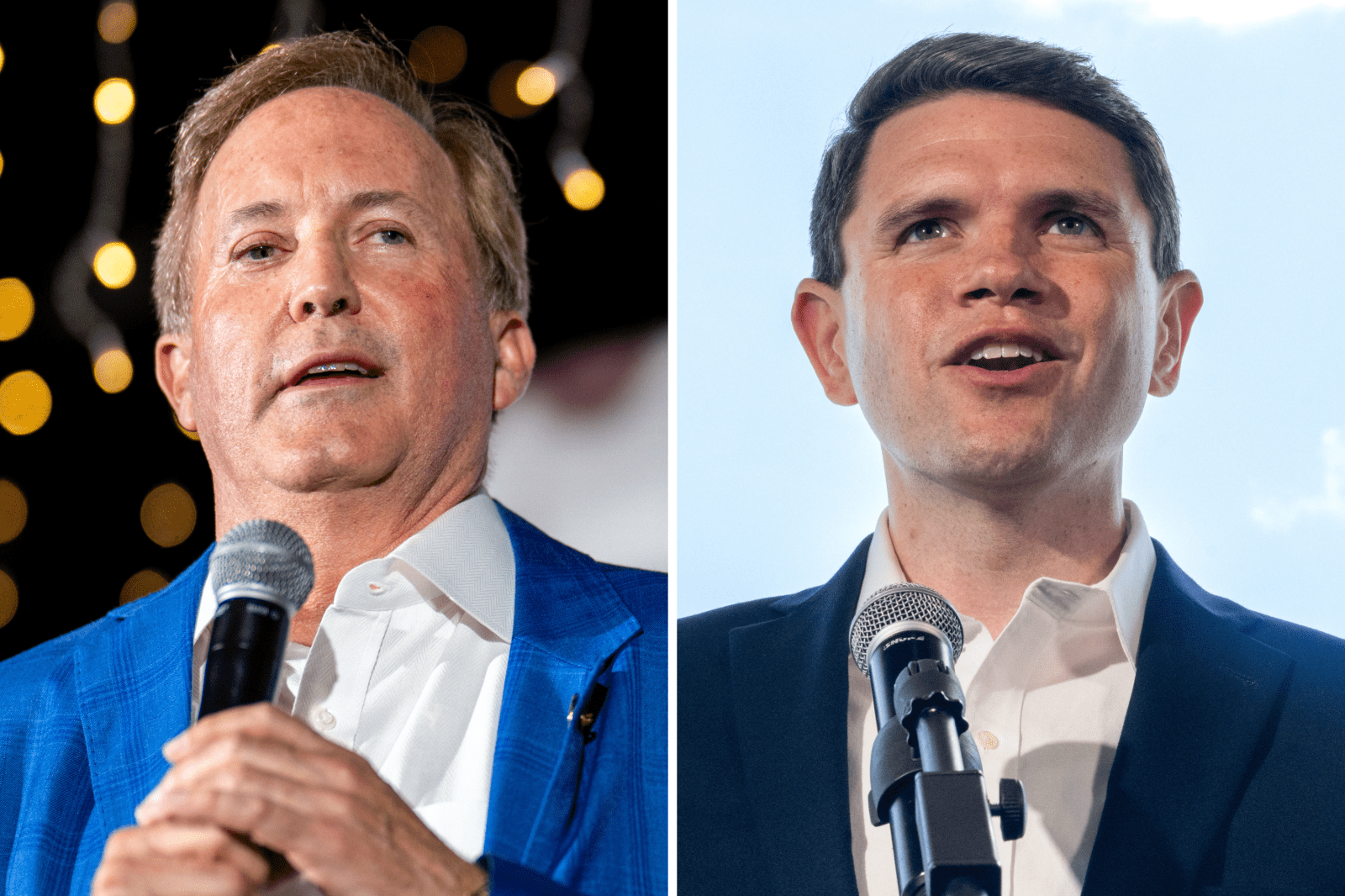
A new poll in the Texas Senate race highlights significant concerns for Republican Texas Attorney General Ken Paxton as he competes against Democratic state Representative James Talarico. The race is seen as a critical opportunity for Democrats in the 2026 midterm elections, despite Texas’s history of favoring Republicans. Although Texas supported President Donald Trump by 14 points in 2024, recent polls offer Talarico a slight lead over Paxton.
Democratic Strategies in Texas
Turning Texas blue is challenging for Democrats, but they see potential in 2026. Contributing factors include Trump’s waning national approval affecting Republicans, economic concerns pushing voter frustration, and Paxton’s unpopularity with voters. After unseating incumbent Senator John Cornyn in the GOP primary, some experts believe Paxton’s lack of appeal to independents is risky, especially in a challenging year for Republicans.
Four Key Poll Insights for Paxton
The University of Texas and Texas Politics Project’s recent poll underscores the tight race. Conducted from August 5 to 13, 2026 among 1,200 registered voters, it reveals:
- A drop in Paxton’s support since June
- Lack of motivation among GOP voters
- Talarico’s better favorability ratings
- Trump’s approval rating struggles in Texas
Attempts to contact the Paxton and Talarico campaigns for comment via email have been made.
Paxton’s Declining Support
Paxton’s support dropped from June, with Talarico leading by 3 points. Paxton has 39% support, Talarico 42%, Libertarian Ted Brown 3%, and 14% remain undecided. The previous poll had Paxton leading by 1 point. A significant change is seen among Republicans as Paxton’s support slipped from 84% to 79%, with Talarico getting 5% of Republican votes. Talarico has 91% support from Democrats, while independents’ support for him stands at 37% compared to Paxton’s 11%.
Republican Voter Enthusiasm Concerns
Voter enthusiasm gaps present challenges. Democratic motivation is higher, with 50% saying they’re “extremely” motivated, compared to 39% of Republicans and 20% of independents. In 2022, Republican enthusiasm was higher at 52% compared to Democrats’ 48%.
Issues with Paxton’s Favorability
Paxton faces favorability issues, as Talarico enjoys a +10 favorability among voters, while Paxton has -13 points. Among Republicans, Paxton’s favorability is +40, but Talarico leads among Democrats with +77. Paxton’s favorability among independents is -29, Talarico’s is +22.
Paxton has faced controversies, including impeachment on allegations of bribery, which he calls politically motivated. He also faced criticism over a plea deal involving a sexual abuse case.
Trump’s Influence
Trump’s influence plays a role. He endorsed Paxton and has been an ally. However, Trump’s approval is underwater in Texas, with 51% disapproval. Historically, an unpopular president can negatively impact his party in midterm elections.
Other Poll Insights
Additional polls indicate a close race. An Emerson College poll shows Paxton ahead by 1 point. Texas Southern University gives Talarico a 2-point lead. A TexasPulse poll reports Talarico leading by 4 points. The Cook Political Report now labels the race as a toss-up, reflecting a competitive environment.
Prediction Market Trends
Prediction markets, such as Kalshi and Polymarket, indicate a tightening race. Talarico’s chances are currently seen as slightly ahead or neck-and-neck with Paxton. These markets offer insights into trader sentiment but not definitive predictions.
Democrats’ Strategy in Texas
Democrats target shifting suburban areas around cities like Austin, Dallas, and Houston. Past elections reflect narrowing Republican margins, but Democrats lost ground in 2024. Republicans emphasize their historical successes, reminding of Democratic losses in key races like Cruz’s win over O’Rourke in 2018.
Senate Control Scenarios
Gaining Senate control is challenging for Democrats. Republicans hold a 53-47 majority, and Democrats need to flip four seats. Defense in Trump-won states like Georgia and Michigan complicates matters, while they eye GOP-held seats in Maine and North Carolina as opportunities.