
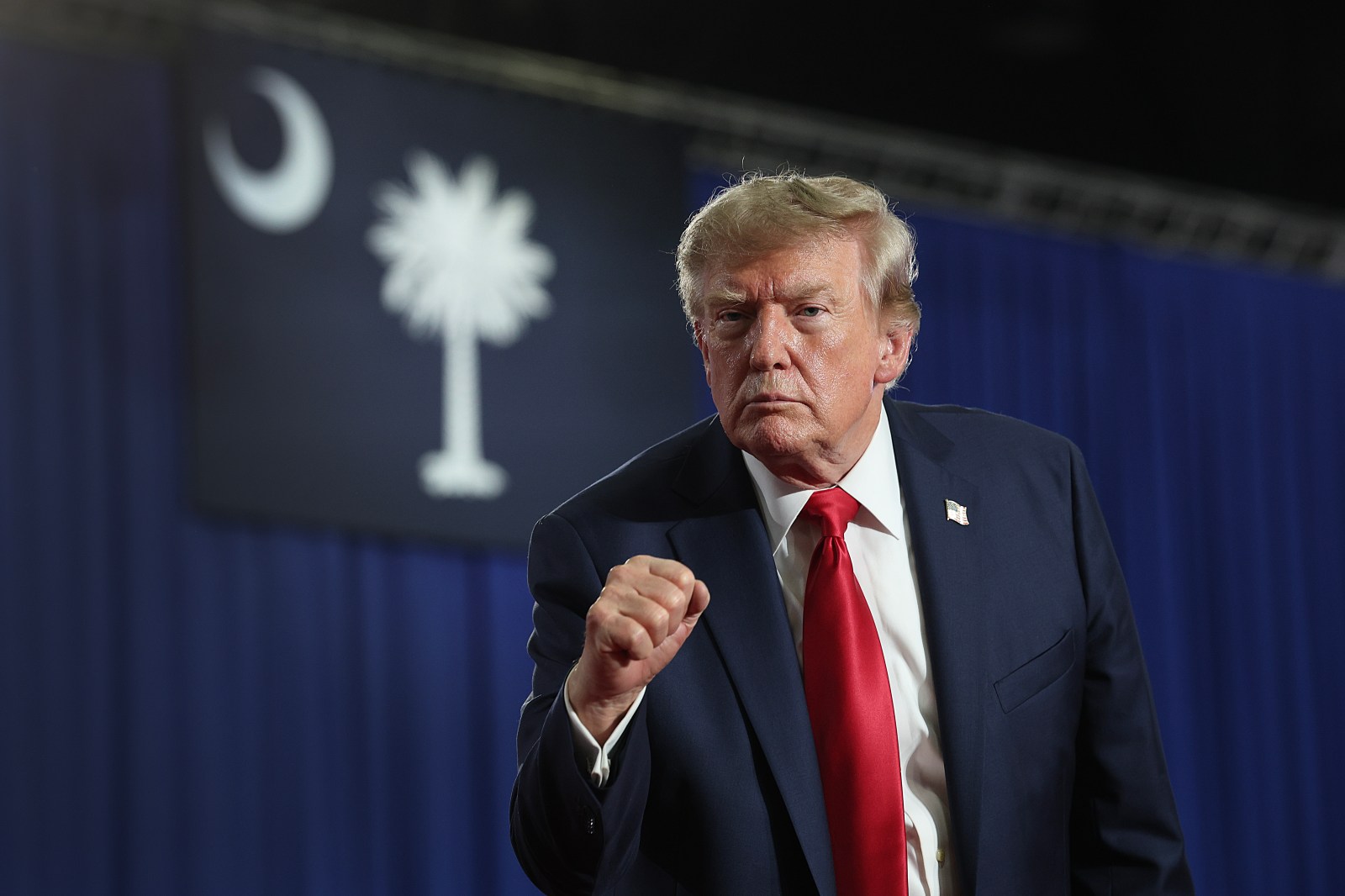
The United States Supreme Court has opened possibilities for President Donald Trump’s executive order on mail-in voting ahead of the upcoming midterm elections. Trump’s administration sought the lifting of a lower-court’s block on parts of the order, but the extent of its implementation remains uncertain before elections.
Voting by mail occupies a significant role in the U.S. electoral landscape, though regional disparity exists. According to a 2025 U.S. Election Assistance Commission (EAC) report, 30.3 percent of Americans cast mail ballots during the 2024 election. Nationwide, over 66 million mail ballots were issued, with approximately 72 percent returned, and nearly all returned ballots counted. Mail voting prevalence was notably high in the Western U.S., where several states send ballots automatically to registered voters.
In the 2024 election, Oregon saw 99.3 percent of votes cast by mail, followed by Washington, Utah, and Colorado with significant mail-in turnout. Other high-use states included Hawaii, California, and Nevada. Comparatively, the Southern and Midwestern states experienced lower mail ballot percentages due to stringent identification protocols and limited mail voting access. West Virginia reported 2.9 percent mail voting, while Texas saw 3.3 percent.
Importance of Legal Developments
The legal debate surrounding voting methods precedes the midterm elections on November 3, with control over Congress at stake. Trump argues that mail voting increases fraud, despite using it himself and minimal fraud evidence. Supporters of Trump’s approach seek stronger election safeguards, citing voter-roll and verification concerns. Research indicates mail vote fraud to be rare, with a Brookings Institution study identifying only four fraud cases per ten million mail votes from 2016 to 2022.
Democratic voters are likelier to vote by mail, with estimates from States United Democracy Center showing over one in three Democrats used mail ballots in 2024, compared to one in four Republicans.
Details on Trump’s Executive Order
In March, Trump’s executive order directed federal agencies to compile lists of eligible voters, instructing the U.S. Postal Service to send ballots only to those named. New restrictions forbid sending ballots from states not conforming to the order. Democratic officials from 23 states and Washington D.C. sued, citing constitutional rights reserved for states and Congress.
The Supreme Court’s 6-3 ruling did not resolve the legality of Trump’s order but declared that the suing states and D.C. lacked the standing to challenge. The court clarified that future enforcement of the order might not be lawful.
The ruling has sparked strong reactions. Justice Ketanji Brown Jackson criticized the decision for creating election uncertainty. The White House celebrated the ruling as advancing election security. Democratic leaders, like California Governor Gavin Newsom and New York Attorney General Letitia James, vowed ongoing legal opposition and defense of voting rights.
Impact of Supreme Court Ruling on Midterm Elections
An existing nationwide injunction against Trump’s order remains effective, with the administration requesting its suspension due to the Supreme Court’s decision. U.S. District Judge Indira Talwani emphasized the importance of preventing election rule changes close to the midterms, granting a preliminary injunction earlier this month.
Talwani had previously blocked parts of Trump’s order in favor of Democratic state attorneys general, hindering its enactment. While the Supreme Court’s decision leaves room for further legal challenges, states are preparing to distribute mail ballots imminently, restricting changes in voting processes.