
A woman from Houston, Texas, has faced a lengthy struggle with a persistent cough, initially believed to be due to allergies, before a correct diagnosis of Valley fever was made.
Autumn, who chooses not to disclose her full name, has battled health issues throughout her life, largely due to congenital heart defects that have required multiple open-heart surgeries. While these procedures improved her heart’s functionality, the care she received for an ongoing cough was less satisfactory.
A study by MITRE-Harris Poll in 2022 revealed that 52 percent of Americans experienced having their symptoms ignored or dismissed by medical professionals. Autumn’s experience mirrors these findings, as she was repeatedly told her productive cough, characterized by green and yellow sputum with a sour taste, was allergy-related.
During the pandemic, while undergoing treatment for her heart condition, she was advised to take a COVID test, despite her previous symptoms suggesting a lung infection.
Seeking effective treatment, Autumn consulted two different doctors over five years, without improvement.
“I tried all the allergy medications, and nothing changed,” she stated. “The productive cough and extreme fatigue persisted.”
Her fatigue was often attributed to her heart condition, despite her active lifestyle prior to becoming unwell. After a cardiac ablation addressing an arrhythmia, she developed pneumonia, yet the cough worsened.
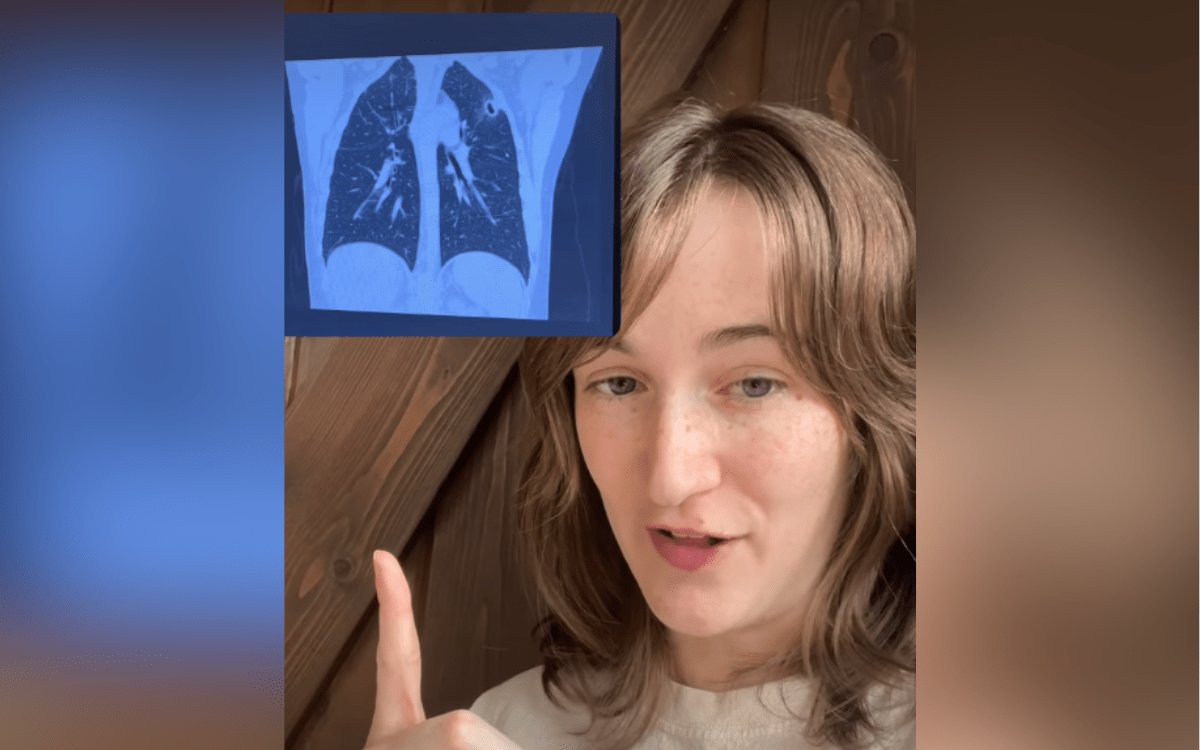
Once she started coughing up blood, a new doctor revisited her old X-rays and ordered a CT scan, leading to the diagnosis of Valley fever—a fungal infection from inhaling spores of Coccidioides, typically found in southwestern U.S. soil.
The Centers for Disease Control and Prevention notes that while many recover untreated, 5 to 10 percent face long-term lung issues, and 1 percent may endure a life-threatening form of Valley fever, which spreads in the body.
Autumn is scheduled for a lung surgery in October to tackle the fungal infection and a cardiac catheterization to check heart valve pressure due to lung complications.
Sharing her story aims to empower others to trust their instincts in health matters and urges physicians to recognize and address their “implicit biases.”
“Women often get dismissed by doctors, and it’s frightening and frustrating,” she expressed. “Despite discouragement, persistence in seeking attentive care is vital.”