
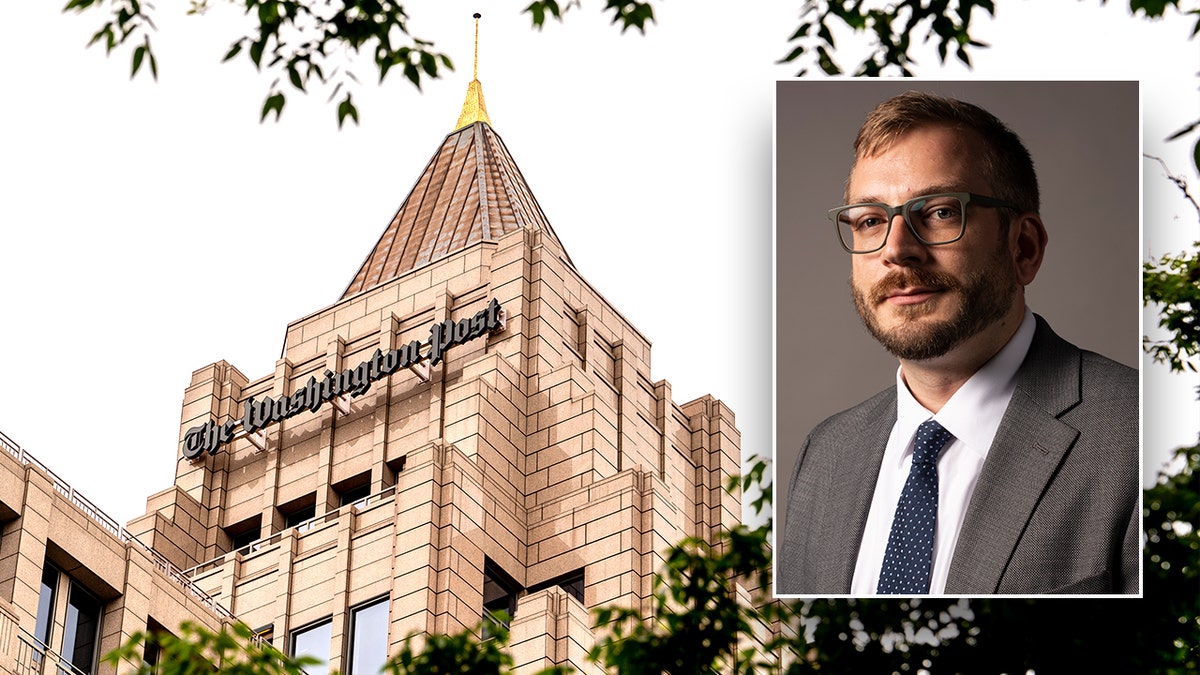
Adam O’Neal, opinion editor at The Washington Post, announced his resignation on Friday, effective August 31. He joined the paper approximately a year ago to lead a new phase for the opinion section and made significant changes during his tenure.
“I’ve decided to leave The Washington Post,” O’Neal shared in a memo to his colleagues. “My last day will be August 31. I was brought in to guide the opinion section into a new era. We’ve made substantial strides, championing free markets and personal freedoms, while laying a sustainable foundation for Post Opinions. Our efforts have made our work more relevant and accessible.”
Under O’Neal’s leadership, improvements in the opinion section’s online engagement were noted. He expressed gratitude to Jeff Bezos, Jeff D’Onofrio, and the entire Post leadership team, specifically thanking the Post Opinions team for their exceptional collaboration. Despite being a difficult decision, O’Neal is optimistic about the future of the opinion section.
Jeff D’Onofrio, acting CEO and publisher at The Washington Post, expressed his appreciation for O’Neal’s contributions, noting how the opinion section became more balanced and financially sustainable. Efforts to transition leadership will continue until O’Neal’s departure.
A source indicated that Post leadership was taken by surprise with O’Neal’s decision and there were no apparent conflicts with D’Onofrio or Bezos leading up to his exit. At a meeting with staff, O’Neal described his decision as “personal” and noted the surprise among employees.
O’Neal, before joining The Post, was a correspondent for The Economist and an editorial page writer for The Wall Street Journal. He was tasked with promoting “personal liberties and free markets” on the editorial pages, following Bezos’ directive. This approach faced criticism from staff and liberal circles, prompting O’Neal’s predecessor to resign.
In a previous interview, O’Neal acknowledged a responsibility to “get this right.” He noted that the majority of The Post’s readers are liberal and reside in blue states. He aimed to broaden the section’s outreach and rebuild trust in The Post amidst widespread skepticism towards mainstream media.