
What is Postpartum Pet Aversion?
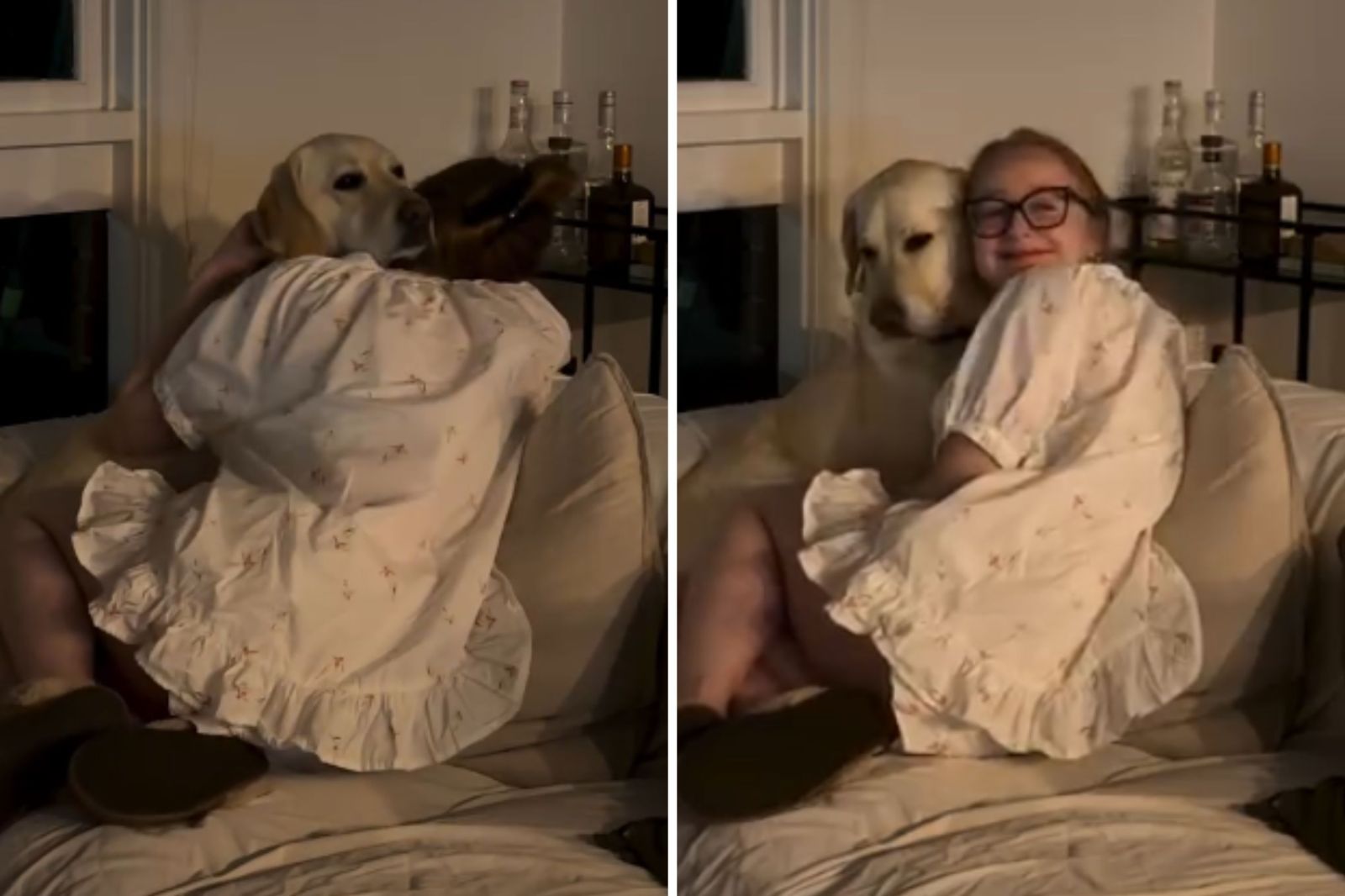
A new mother, Elen, shared her unexpected experience of feeling differently toward her dog after her baby arrived, describing it as postpartum pet aversion. This reaction isn’t officially a diagnosis but is often observed in new parents. Marilyn Cross Coleman, a clinical social worker experienced in perinatal mental health, noted that such feelings are commonly reported. The affection once felt for a pet can turn into irritation or overwhelm when a newborn enters the picture.
Recognizing Postpartum Pet Aversion
Identifying postpartum pet aversion involves noticing a change in feelings towards the pet. For some, previously enjoyed activities like cuddling can feel overwhelming. Anxiety about the pet’s interaction with the baby might increase, leading to feelings of resentment despite ongoing love for the animal. Guilt or shame may accompany this experience as it can seem out of character.
Cross Coleman emphasized that these responses are typical when coupled with fatigue. They serve as indicators of postpartum pet aversion.
Reasons Behind the Change
The shifts in feelings about pets are not about the animals themselves. They stem from neurological changes in a parent’s brain, designed to prioritize the newborn’s survival. Hormonal adjustments, lack of sleep, and the sensory demands of caring for a baby can leave parents emotionally drained.
Elen felt exhausted, with nothing left to give after tending to her baby. Protective instincts may heighten concerns about germs, barking, or accidental harm from the pet.
Pets Adjust Too
Pets also undergo adjustments. Mel Ritterman, a dog behavior specialist, explained that dogs notice changes such as new smells, sounds, and routines, which can affect their stability. While some dogs adapt well, others might struggle, showing signs like clinginess, withdrawal, pacing, or barking.
“Many of these behaviors stem from stress, uncertainty, frustration or unmet needs,” Ritterman said.
Possible Mental Health Concerns
Postpartum pet aversion is usually temporary, related to the adjustment to new responsibilities. However, persistent irritability, severe anxiety, or feelings of hopelessness may signal deeper postpartum mental health issues.
Steps to Take
Cross Coleman stressed the importance of removing shame from the situation. Parents should recognize that feeling exhausted and overwhelmed is common. She suggested seeking support from friends or family for pet care during this period.
Ritterman recommended maintaining predictable routines. Even shortened familiar activities can help pets feel safe. Introducing enrichment activities and rewarding calm behavior can ease transitions.
Postpartum pet aversion does not mean the end of love for the pet. Cross Coleman assured that the brain has shifted priorities temporarily. This understanding can replace guilt with reassurance.