
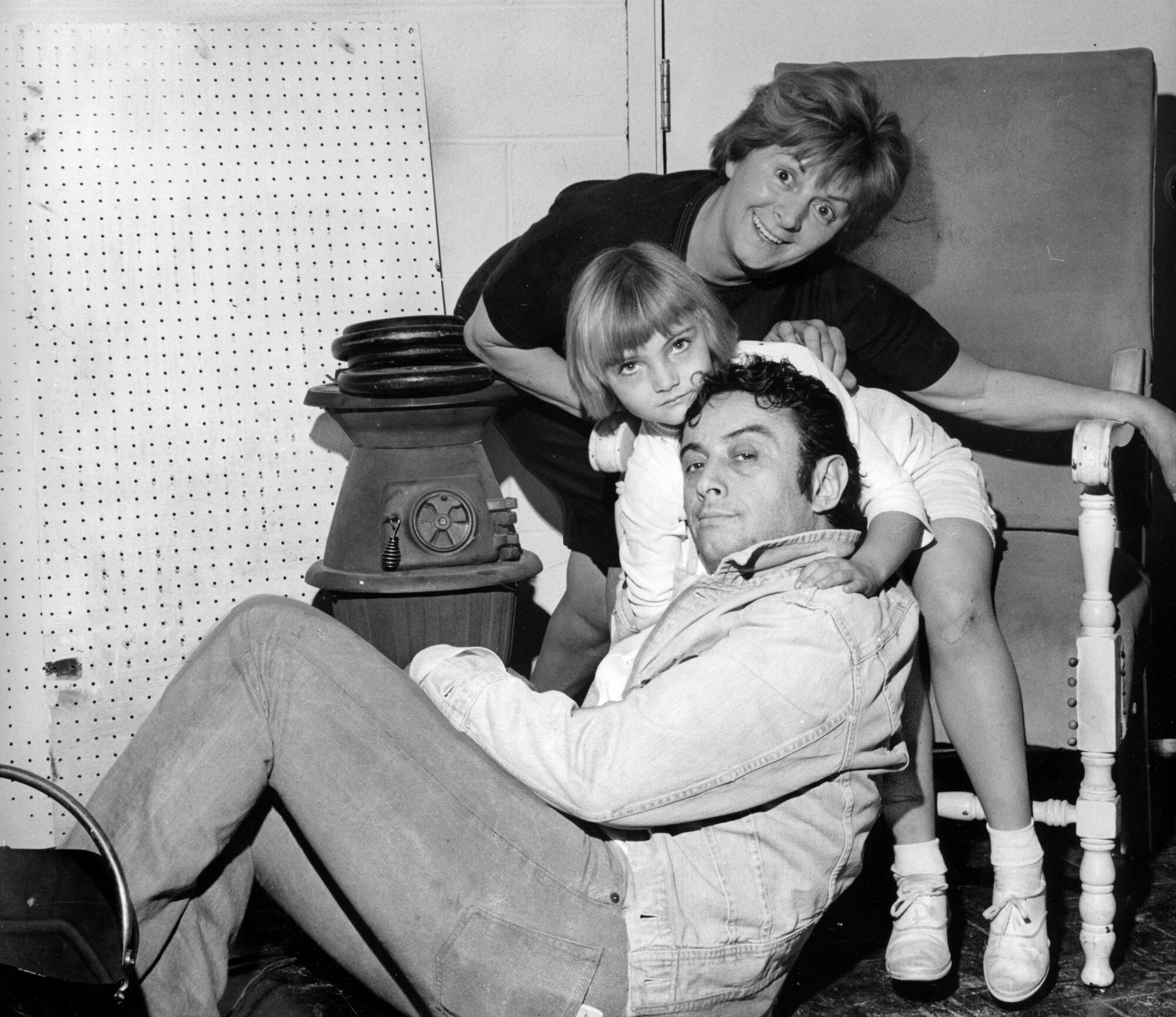
Lenny Bruce, a comedian known for challenging the conventional boundaries of stand-up, was famous for his satirical style. On the witness stand, he once explained his performances aimed to spread compassion among people, particularly for those unjustly imprisoned. This was in response to charges of obscenity he faced in Beverly Hills in 1963, stemming from performances at The Troubadour and The Unicorn, where he used uncensored language considered inappropriate at the time.
At 37, Bruce was vocal about what he perceived as the misuse of law enforcement resources and taxpayer money. He described his trials as “insanity” and “preposterous.” The accusations against him included crude language and comedic bits involving sensitive subjects.
Bruce’s frequent legal battles were not limited to obscenity charges; they also included narcotics-related incidents which he attributed to law enforcement’s aversion to his comedy. To counter suspicions about drug use, he carried a doctor’s note authorizing methamphetamine for specific medical conditions.
Despite his struggle, Bruce left a lasting impact on comedy and free speech. Tragically, his life ended in 1966 due to a heroin overdose. His death garnered significant media attention, painting him as a troubled figure. The exposure around his death aimed to highlight the difficulties of his last days, while furthering the narrative of his controversial persona.
Legacy and Influence
Lenny Bruce’s struggles and perseverance have earned him reverence in the comedy world and among 1st Amendment advocates. Although some see him as a martyr for free speech, his complex legacy includes controversial language that diverges from today’s cultural sensitivities.
Bruce’s early career saw him challenging mainstream comedy norms. Starting from humble beginnings, he mixed satire with Beatnik influences, targeting institutional hypocrisy, organized religion, and societal flaws. His act often highlighted problematic issues such as segregation and institutional bigotry. Critics described his performances as sermons from an alternative pulpit, preaching unconventional views on sensitive subjects.
Impact of the Trials
The trial in Beverly Hills involved prominent figures like Sherman Block, a young vice squad sergeant, and future sheriff of Los Angeles County. Block, knowledgeable in Yiddish, testified about Bruce’s language, while the defense highlighted the comedic and critical nature of Bruce’s act. The case concluded with a hung jury and dropped charges, but Bruce continued to face legal obstacles.
Another trial at the Trolley Ho nightclub involved a new prosecutor, Johnnie Cochran, who later gained fame for his courtroom prowess. The prosecution, relying on recordings of Bruce’s performances, highlighted sensitive comedic content, particularly around public figures like Jackie Kennedy.
Despite these challenges, the evolving legal landscape surrounding obscenity offered greater protections to artists like Bruce. His conviction in New York for performances at Cafe Au Go Go marked a significant point in his career, but his subsequent blacklisting deepened his obsession with legal battles.
Cultural Shifts and Continuing Relevance
Bruce influenced the free speech movement deeply, as recognized by attorney Robert Corn-Revere. His legacy sees him regarded as a champion who endured personal costs for comedic freedom. Yet, modern shifts in cultural sensitivity, especially around language, affect how Bruce’s work is perceived today.
Bruce’s controversial language, once a defining feature of his act, contrasts with current liberal values. Incidents, like the cancellation of Michael Weller’s play “Buyer Beware,” which featured Bruce’s influence, reflect the ongoing tension between creative expression and activist concerns.
Ronnie Marmo, an actor who portrays Bruce, observes changing audience receptions of Bruce’s legacy, highlighting evolving views on freedom of expression and societal values. 1st Amendment scholar Ronald K.L. Collins notes that posthumously, Bruce’s work would challenge today’s politically correct inclinations, underscoring the enduring complexity of his legacy.