
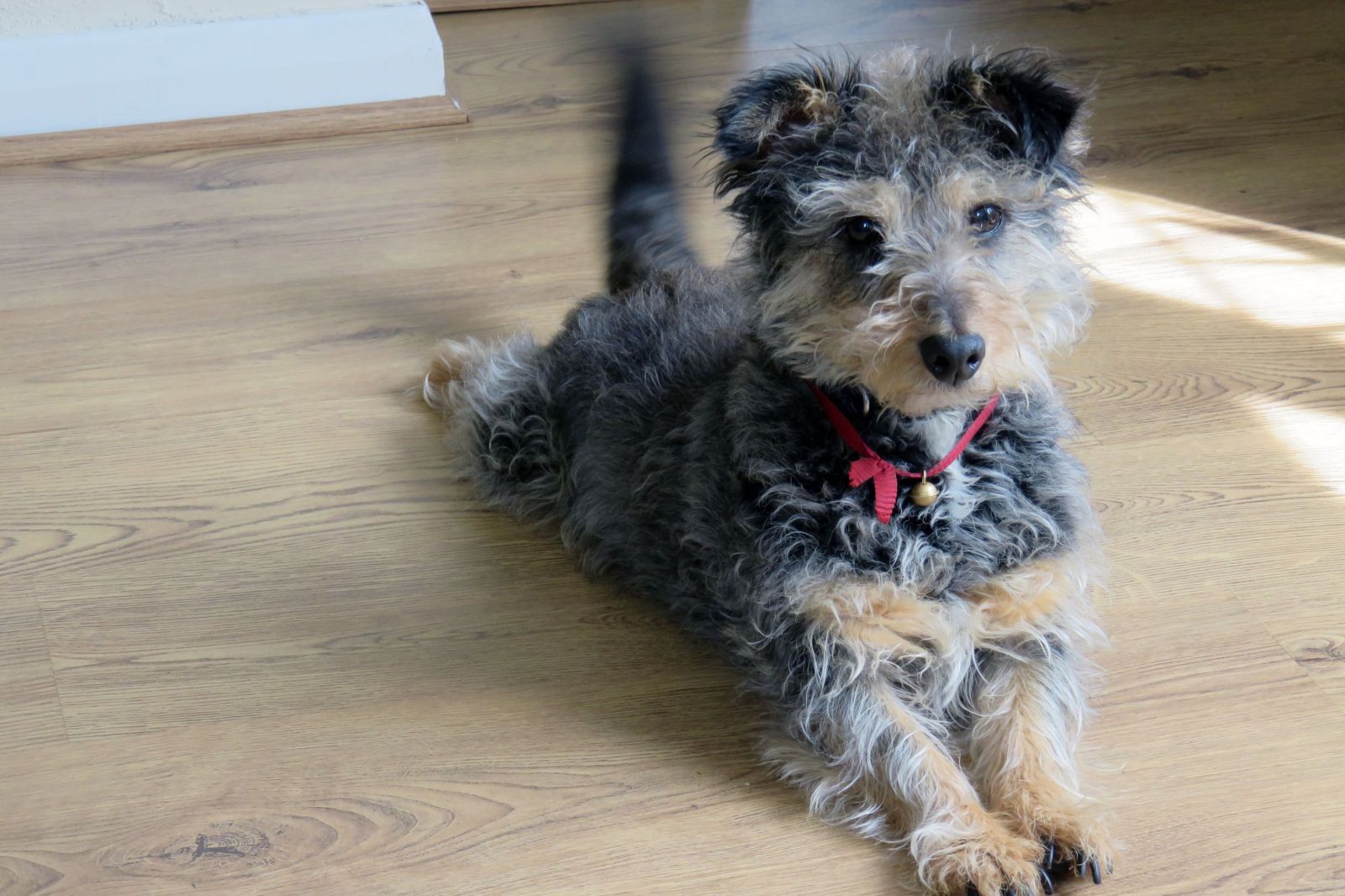
As a dog approaches with its tail wagging, you might assume it’s an invitation to interact. However, it’s crucial to examine the situation closely before engaging.
While a wagging tail often indicates happiness, it doesn’t always signify that a dog feels friendly or at ease. Tail movement can also suggest fear, anxiety, or agitation, leading to misunderstandings that make both humans and dogs uncomfortable.
“A wagging tail can mean a dog is happy, but it can also mean quite the opposite,” said Mike Gould, canine expert and co-founder of Hounds Town USA, in an interview with Newsweek.
Why Do Dogs Wag Their Tails?
Dogs express their emotions through a combination of behaviors rather than relying on a single action. You should consider the dog’s overall body language, including posture, ears, facial expression, and surrounding environment.
“I always tell people to ‘read your dog,’” Gould said, likening it to viewing a close-up photograph. “You may not know what you’re seeing until you zoom out.”
A dog might wag its tail from happiness when greeting someone. However, tail movement can also occur when the dog feels fearful, anxious, overstimulated, or defensive.
The wag may indicate that the dog has become “activated” by an external factor, such as another animal, an unfamiliar person, or a sudden noise.
Approaching a dog with a wagging tail doesn’t guarantee a friendly encounter, as the dog may be acting defensively.
What Different Tail Wags Can Mean
Tail wags vary in appearance, with position and movement offering important clues.
- A broad, loose wag suggests comfort and social ease.
- A low or tucked tail indicates fear.
- A high, tight, and fast-moving tail may show excitement or agitation.
- A raised, stiff tail signifies alertness to surrounding stimuli.
Dogs often sense things before humans, so a change in tail position might signal that the dog has detected something nearby.
Look Beyond the Tail
Pay attention to the dog’s entire body—whether it appears loose or tense—as well as changes related to the face, ears, mouth, and hackles. For example, a dog may look relaxed but change demeanor after hearing a car or noticing something unfamiliar.
“Those physical cues help you distinguish a dog that’s comfortable and socially engaged from one whose attention or emotional state has shifted,” said Gould.
Gould advised that some dogs are naturally more challenging to read. By spending time observing your dog, you learn what is normal and can detect changes.
When a Wagging Tail Can Be Misleading
Misinterpretations of a wagging tail occur often during greetings.
You may believe, “They want me to pet them,” but the dog might actually feel unsure about your approach.
Breed stereotypes complicate these assumptions further; you might interpret the same behavior differently for a Labrador retriever compared to a pit bull.
Focus on individual dogs and their current signals rather than relying on breed expectations.
What Should You Do If a Dog Seems Uncomfortable?
If a wagging tail appears but overall body language suggests discomfort, give the dog space instead of assuming it wants interaction.
Gould emphasized that humans are part of a dog’s environment, so your body language affects how comfortable the dog feels.
Lowering your gaze, getting closer to the dog’s level, and allowing the dog to approach on its own terms can be comforting. Conversely, chasing a fearful dog or closing the distance may prompt it to keep moving away.
Soften your approach and provide space, letting the dog decide if it wants to come closer.
Read the Whole Dog
No single tail movement can definitively convey a dog’s emotions. The more time you spend observing dogs, the better you understand their normal behaviors and changes.
“Dogs are always telling us something about themselves,” Gould stated. “Our job is to learn their language rather than assume they’re speaking ours.”