
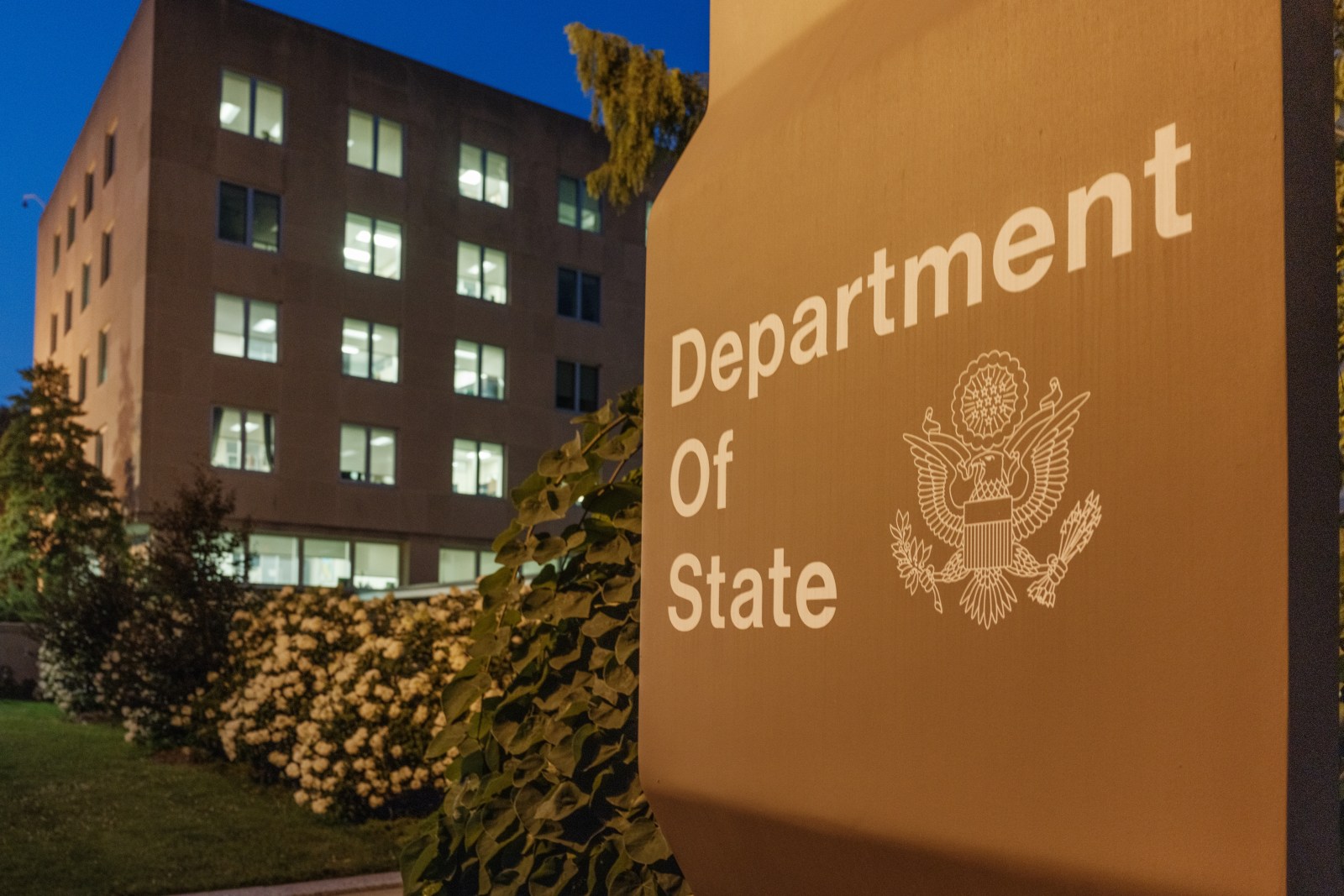
The U.S. State Department has announced increased visa restrictions for individuals involved in cybercrime and sextortion, extending these restrictions to the offenders and sometimes their relatives. This move is part of an effort to prevent such individuals from entering the country. The announcement highlights a connection to investment scams often associated with Chinese transnational criminal groups.
Over the past 18 months, the Trump administration has implemented multiple changes to immigration rules. Many of these changes have tightened legal pathways and increased visa applicant vetting. The State Department emphasized that this policy will target those involved in cybercrime and cyber-enabled crime, including cyberscams and sextortion. Immediate family members of those engaged in these activities might also face visa restrictions.
Wider Visa Vetting Efforts
The State Department’s policy reflects a strategy of using visa access as a deterrent against individuals accused of threats beyond traditional immigration violations. This year, the department has imposed visa restrictions on individuals linked to political violence, regional instability, and cartel networks, extending these actions to family members and associates, similar to the new cyber policy.
Additionally, the State Department has broadened online-presence vetting for student and exchange visitor applicants. It considers each visa adjudication a national-security decision. Visa bonds have also been expanded for applicants from countries with high overstay risks.
Challenges in Identifying Cybercriminals with Visas
Public records indicate that cybercrime is often transnational, with foreign suspects brought to U.S. courts. However, there is no public record of the number of cybercriminals obtaining U.S. visas. Department of Justice records include foreign nationals extradited in cybercrime cases, but they do not specify visa status. The State Department acknowledges thousands of people attempt to illegally acquire U.S. visas annually, but there’s no specific data on cybercrime-related attempts.
Concerns Over China’s Cyber Activities
The new visa restrictions coincide with Washington’s concerns about China’s cyber threat, described by U.S. intelligence and law enforcement as sophisticated and persistent. The Cybersecurity and Infrastructure Security Agency (CISA) reports Chinese government-linked actors targeting key infrastructure and extending operations beyond espionage, potentially disrupting essential services.
Particular focus has been on cyber campaigns like “Salt Typhoon” and “Volt Typhoon.” According to assessments by CISA, FBI, and NSA, these Chinese-linked campaigns aim for long-term access to critical networks, positioning themselves for potential disruption in crises.
The FBI has accused “Salt Typhoon” actors of compromising telecommunications providers, conducting significant cyberespionage operations, and affecting communications infrastructure. A recent advisory urged organizations to bolster defenses against these infiltration efforts.