
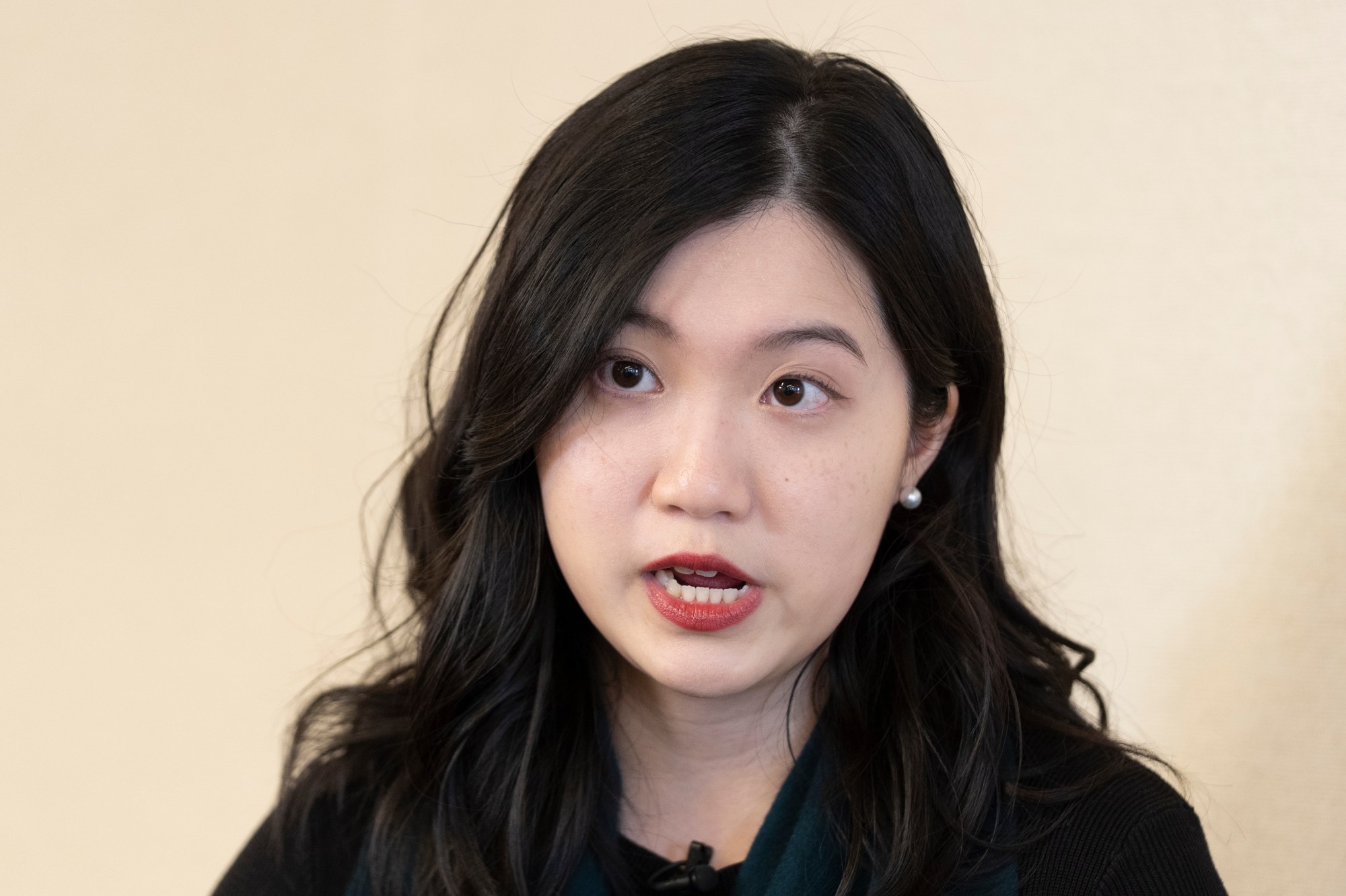
Anna Kwok, a Hong Kong activist in exile, spoke in Washington about significant changes in U.S. policy on Hong Kong. Six years ago, the U.S. responded to Beijing’s imposition of a national security law on Hong Kong by revoking the city’s special trade status. This move challenged the “one country, two systems” framework that once defined Hong Kong. Former President Trump declared a national emergency, resulting in sanctions on officials responsible for the suppression of freedoms in the city.
On July 14, the national emergency lapsed without notification from the White House. The routine renewal notice, previously filed annually, was not submitted, and the first announcement of this change came from China. Beijing’s Ministry of Commerce revealed the conclusion of a reported U.S. commitment made during trade talks in Madrid. The U.S. Treasury Department later confirmed the decision without offering an explanation.
The implications of this policy shift are notable. The removal of sanctions now benefits nine officials, such as Justice Secretary Paul Lam and National Security Department Chief Sonny Au, who enforced laws that suppressed pro-democracy actions in Hong Kong. Additionally, Hong Kong could regain its preferential trade and export-control status removed in 2020.
Despite the U.S. policy shift, the situation in Hong Kong remains unchanged. New regulations continue to limit freedoms, such as penalizing the refusal to provide police with passwords and empowering the city’s leader in national security matters, eliminating judicial review. In recent years, many Hong Kongers fleeing these restrictions have sought refuge in the United States, expecting protection from U.S. laws against transnational repression. Families in diaspora communities now question Washington’s silence on these issues.
The lapse in sanctions was not a result of improved conditions in Hong Kong but appears to be a trade concession negotiated outside public scrutiny. Congress and the public deserve answers regarding this decision; it is unclear if human rights considerations played a role, or if broader trade discussions took precedence. Lawmakers supported acts like the Hong Kong Human Rights and Democracy Act to ensure human rights issues do not get overshadowed by trade policies.
Legislative tools such as hearings and document requests can provide needed oversight. Both parties previously backed legislation protecting Hong Kong because they recognized the importance of separating human rights from trade dealings. The current administration must reconsider its decision. Those who have suffered, like imprisoned activist Jimmy Lai and the families who sought asylum in America, deserve more than a silent policy shift. An honest explanation is essential.
Megan Khoo is the policy director at Hong Kong Watch.